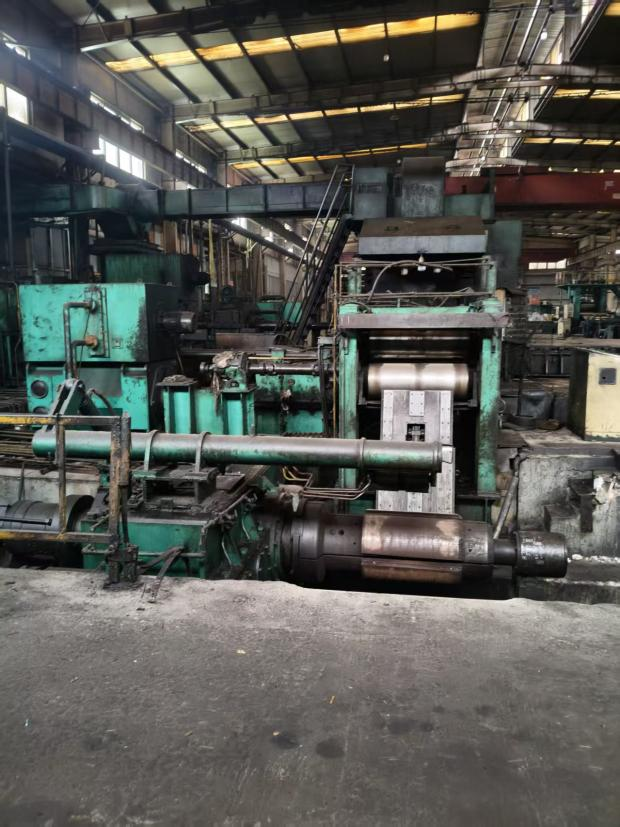
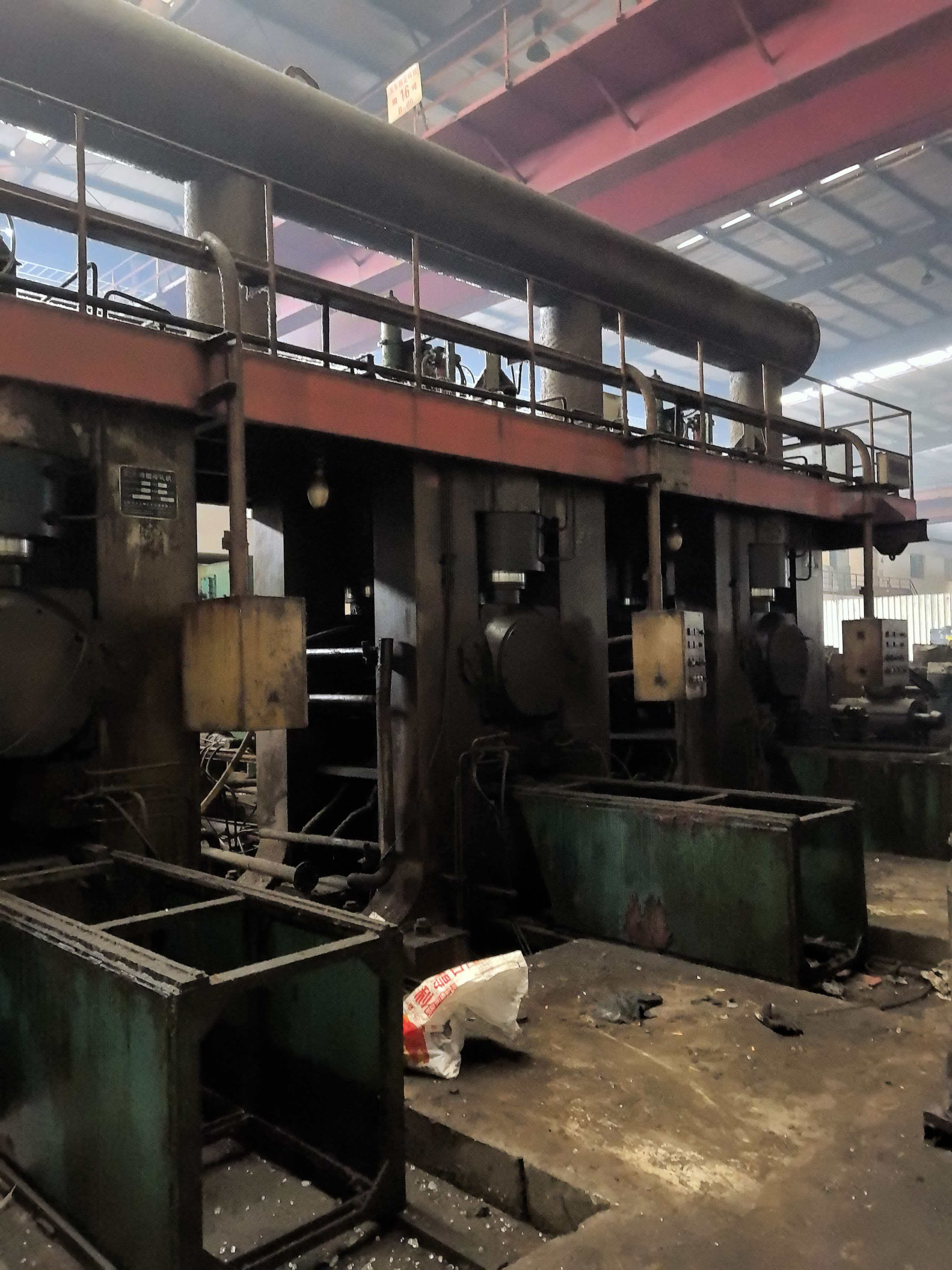
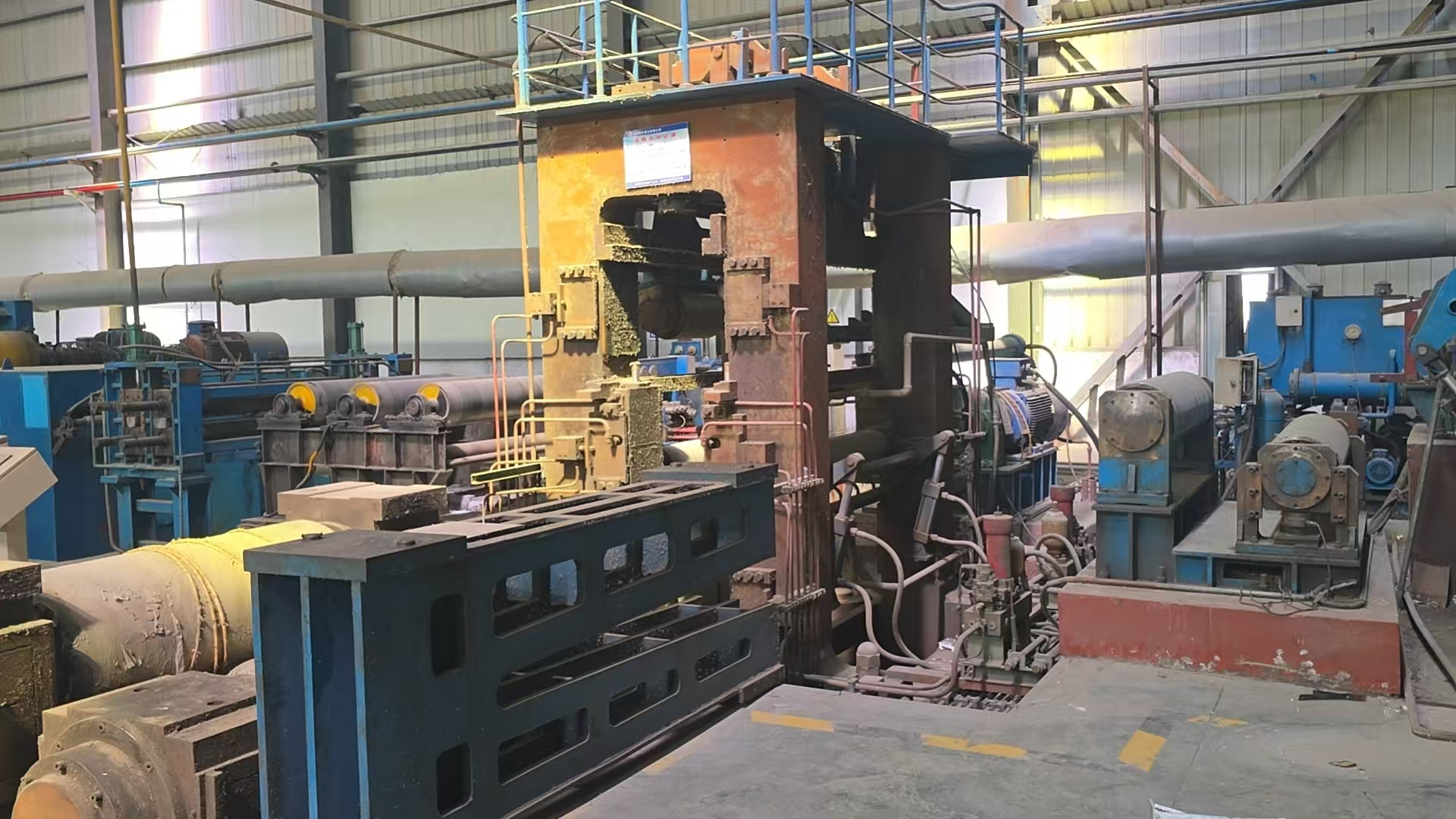
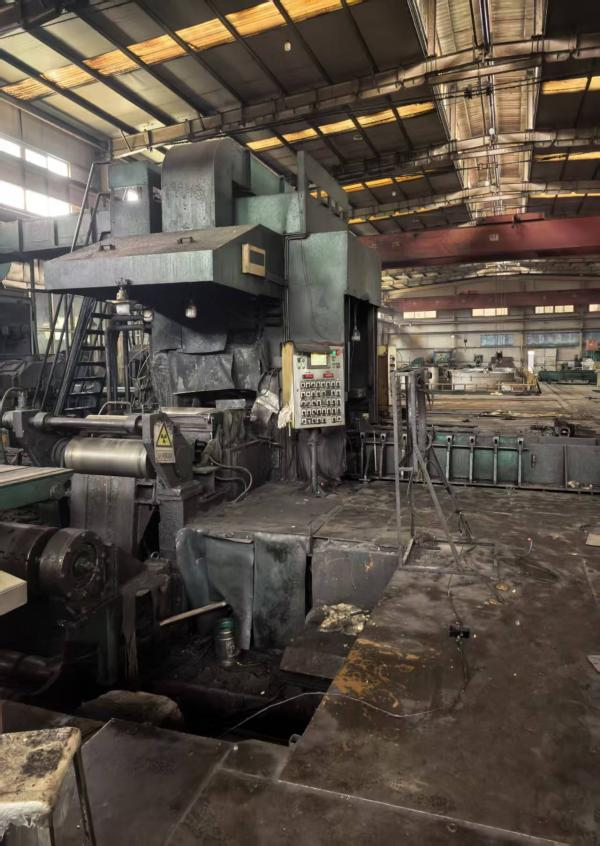
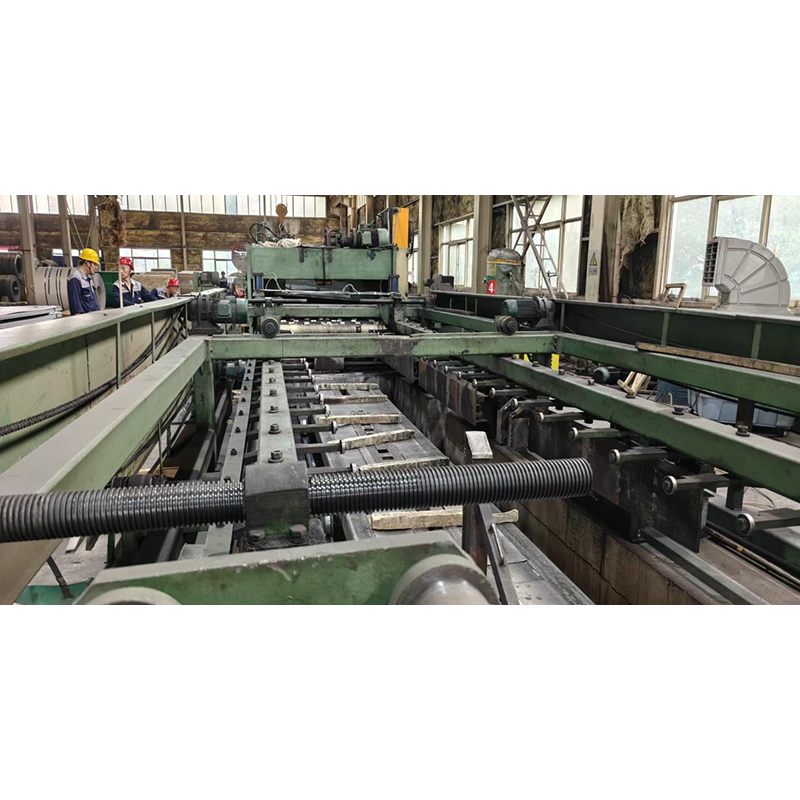
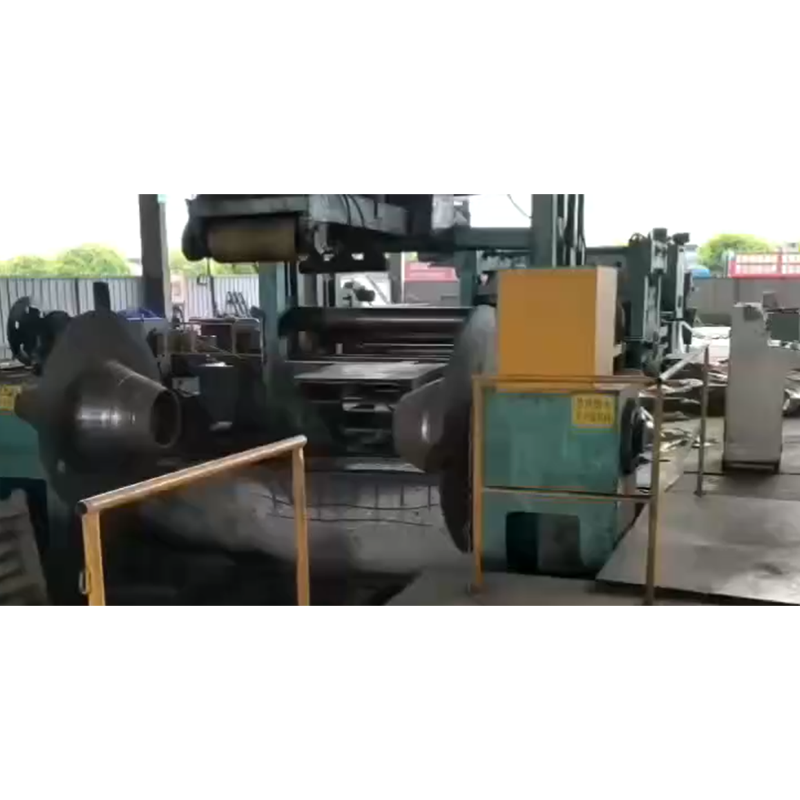
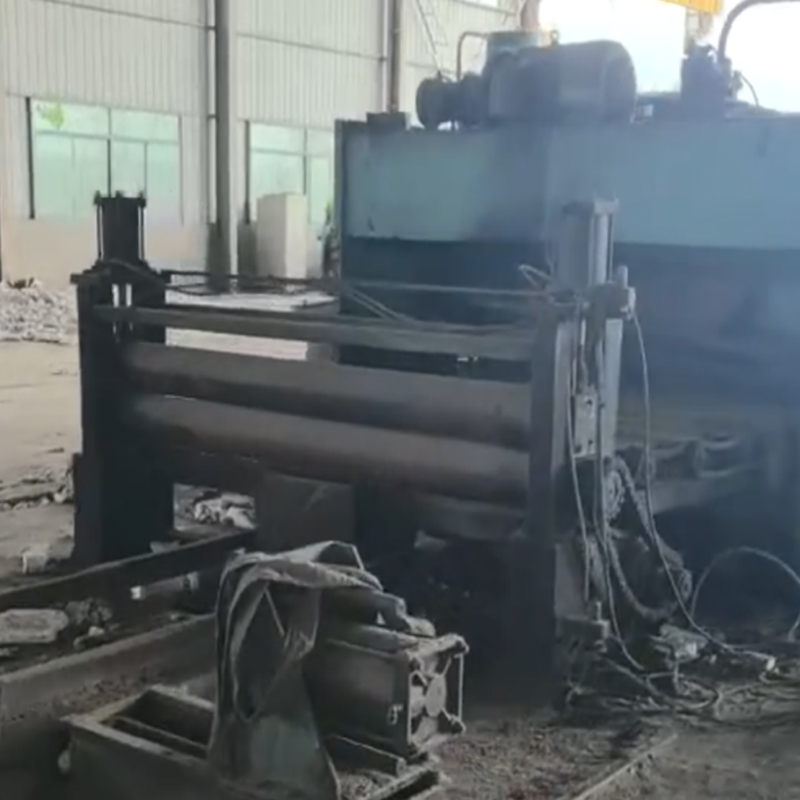
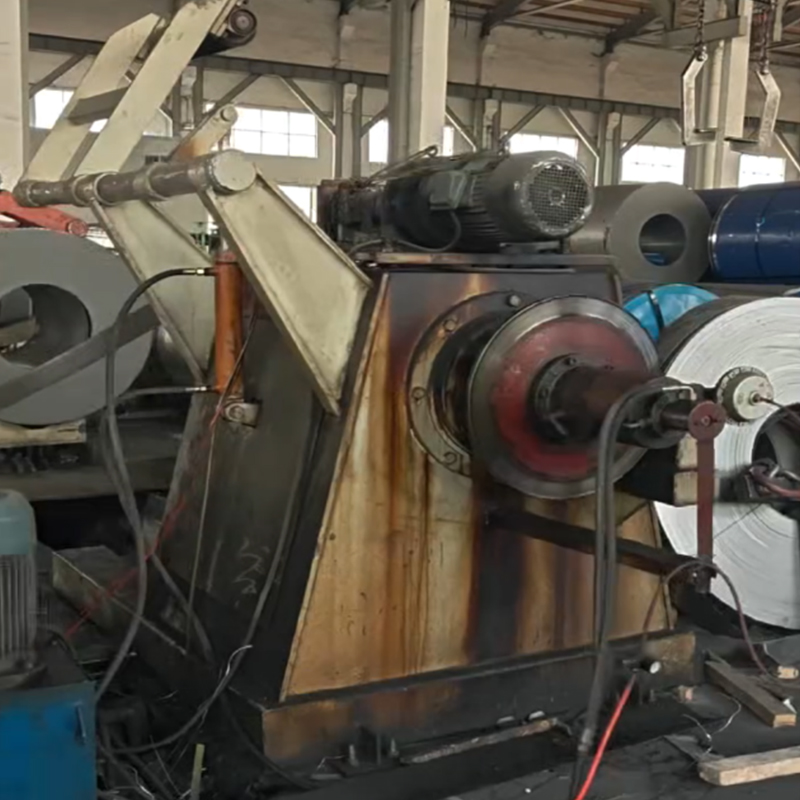
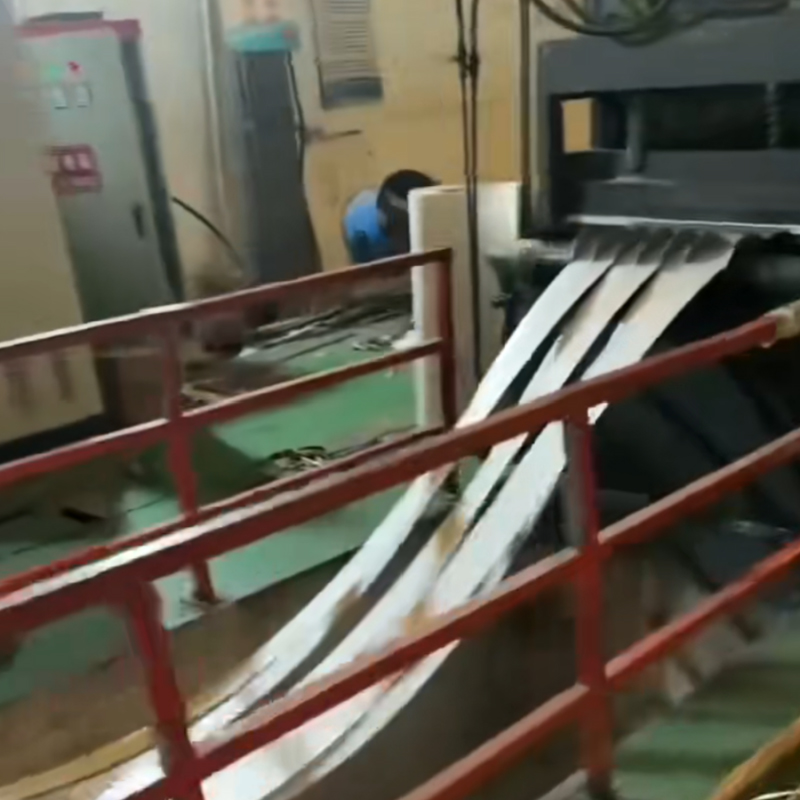
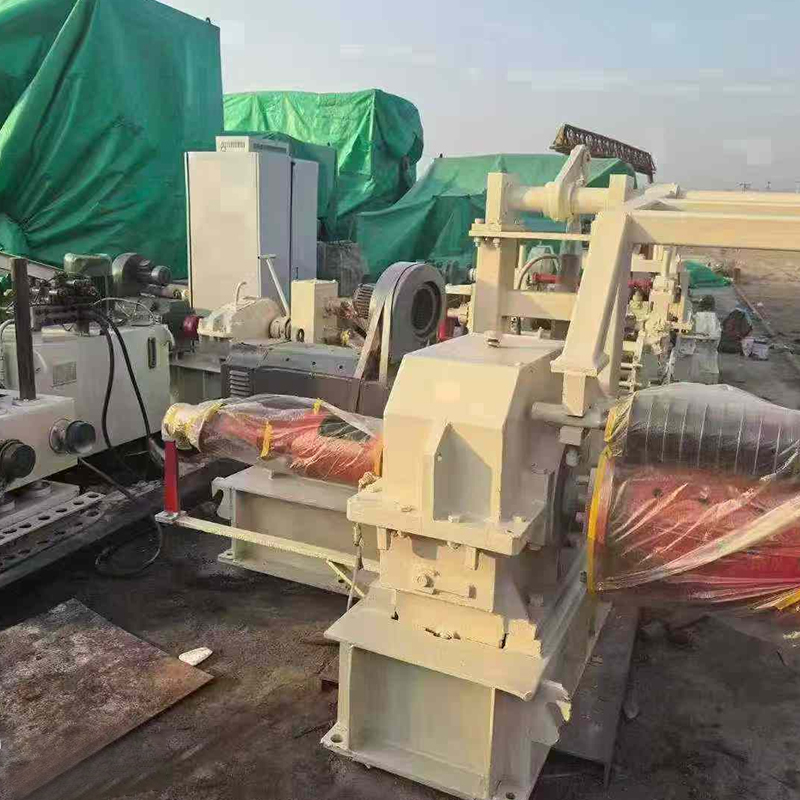
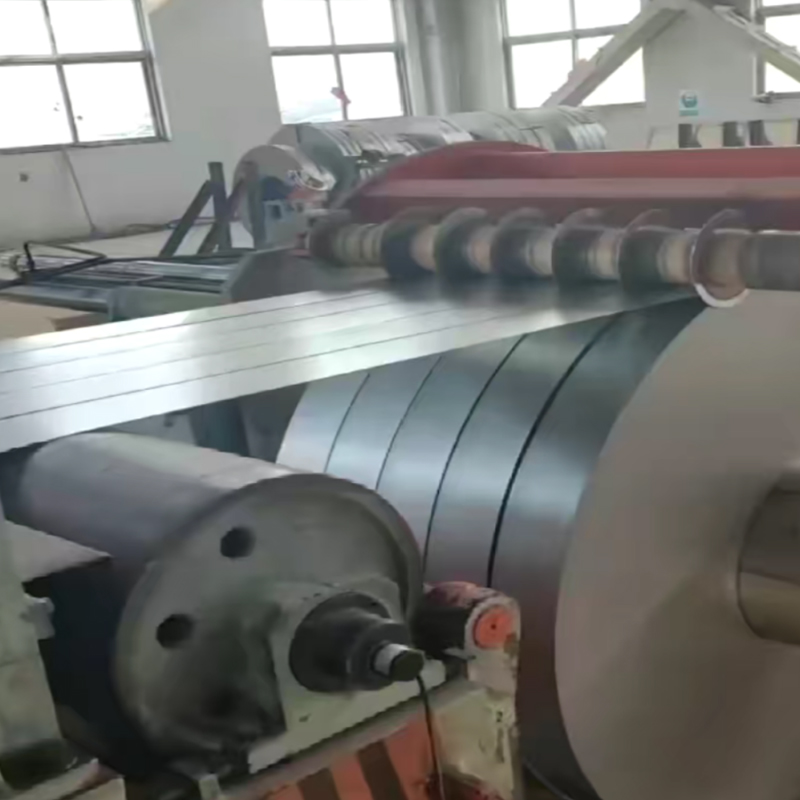
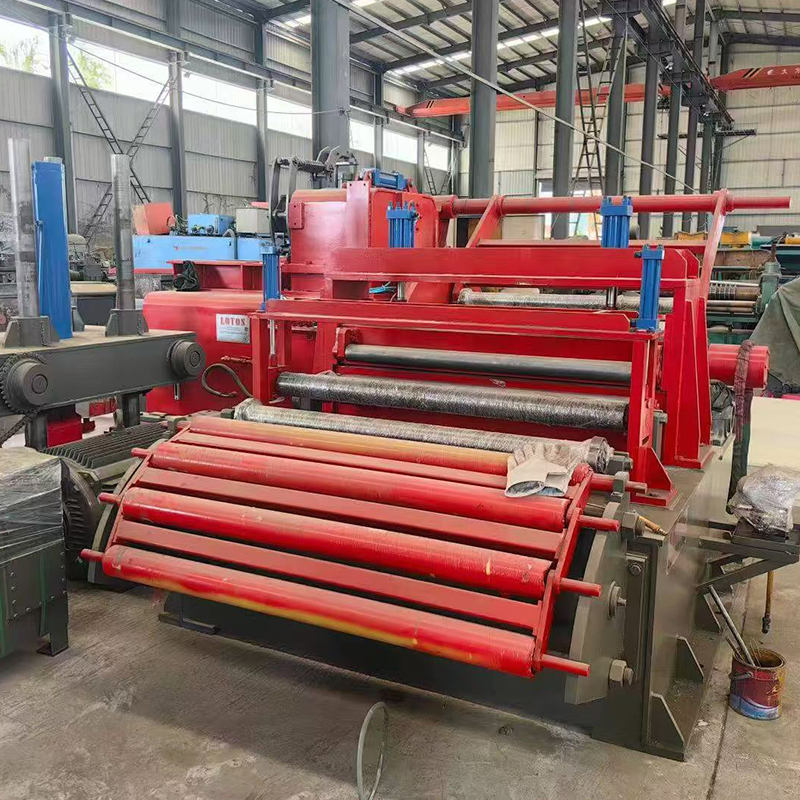
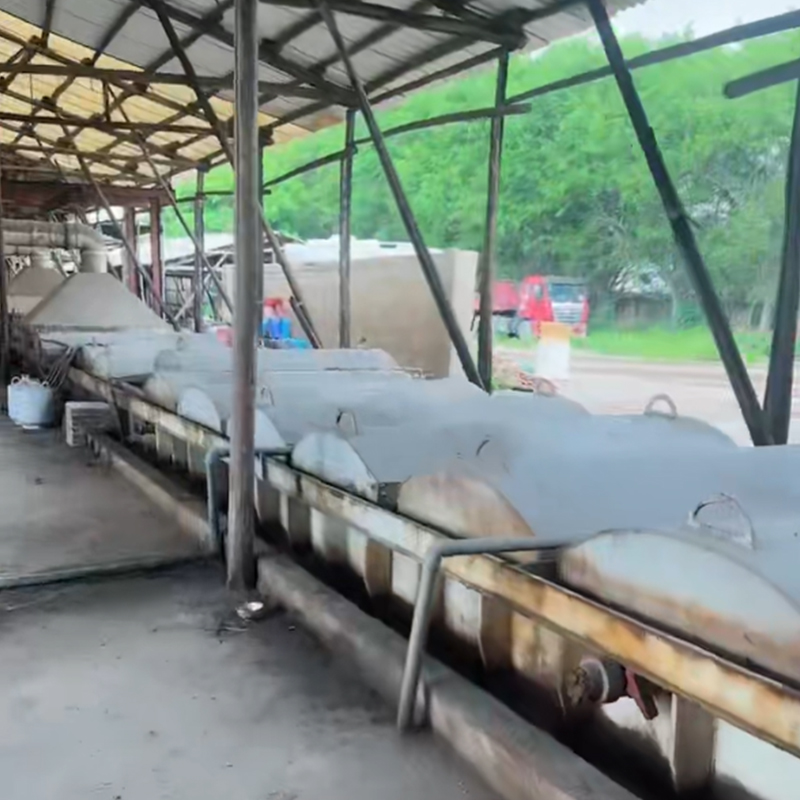
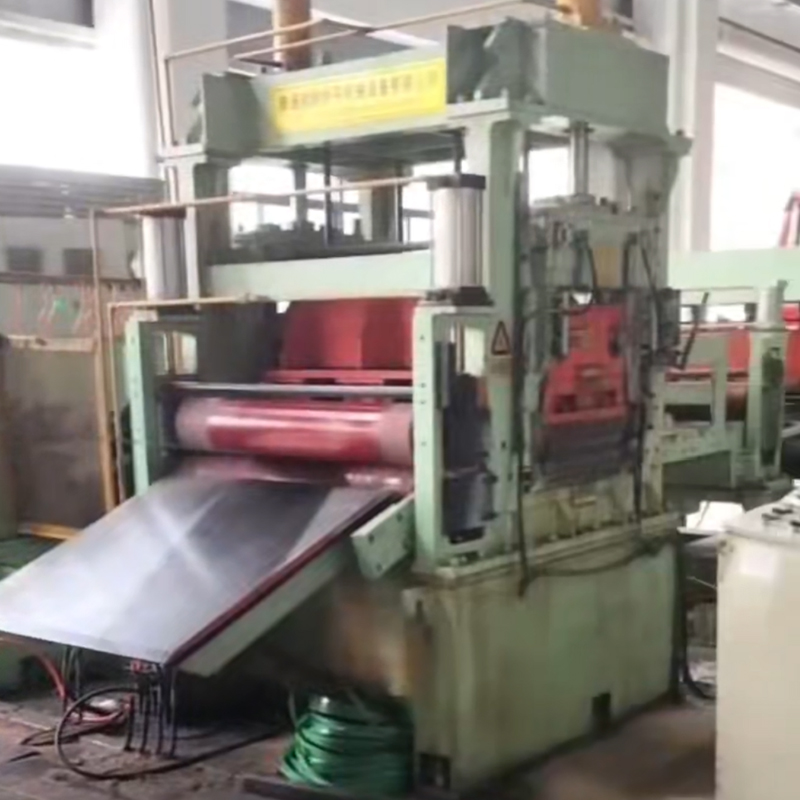
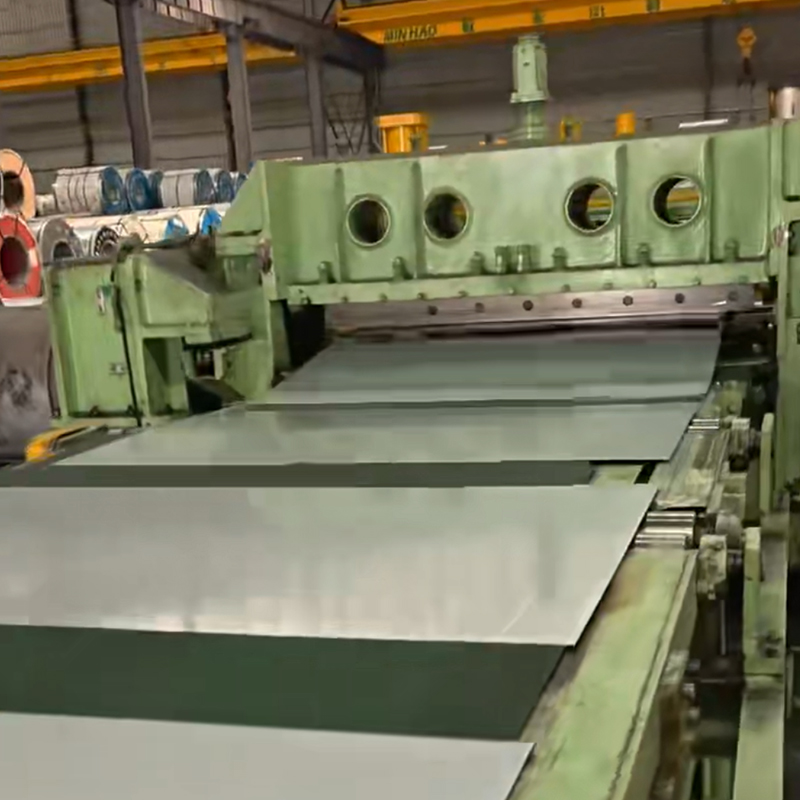
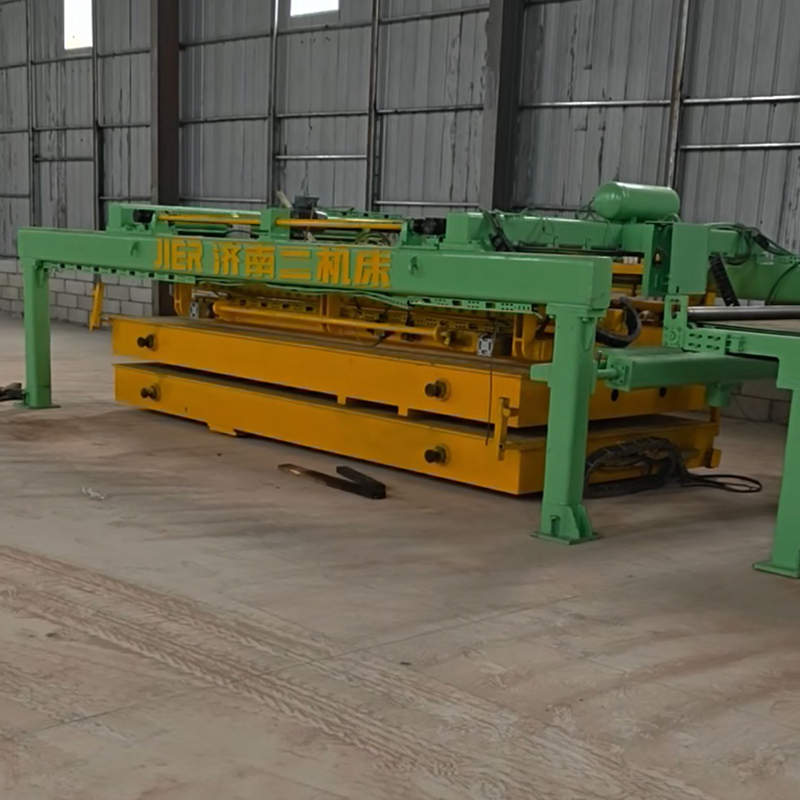
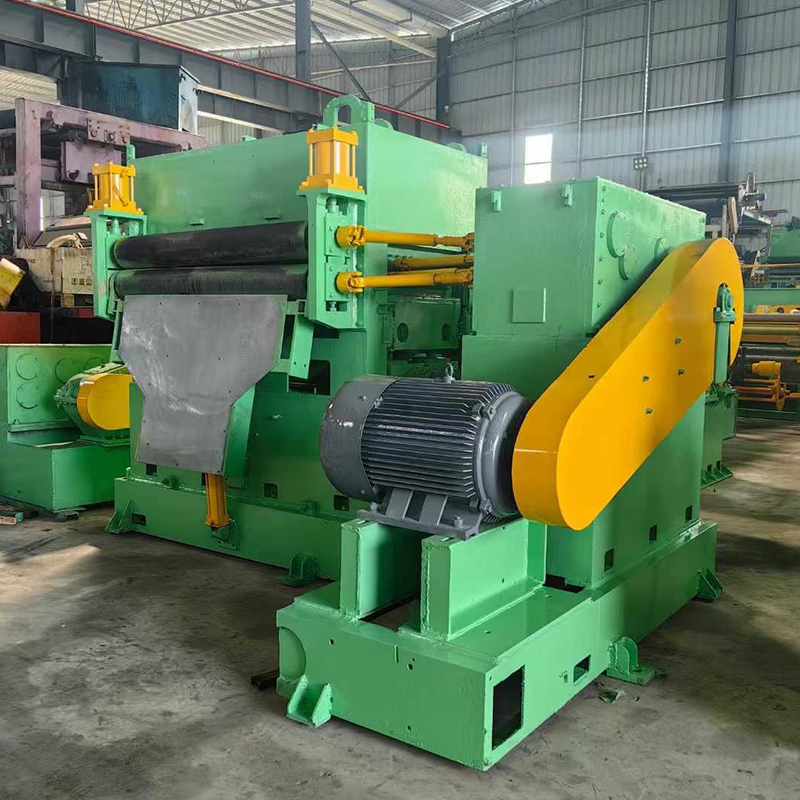
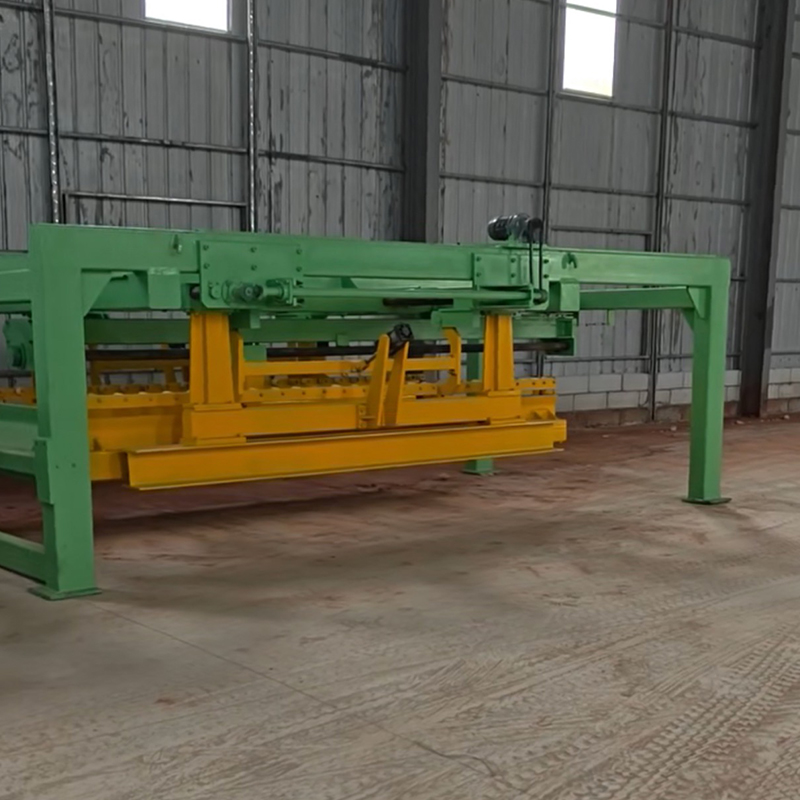
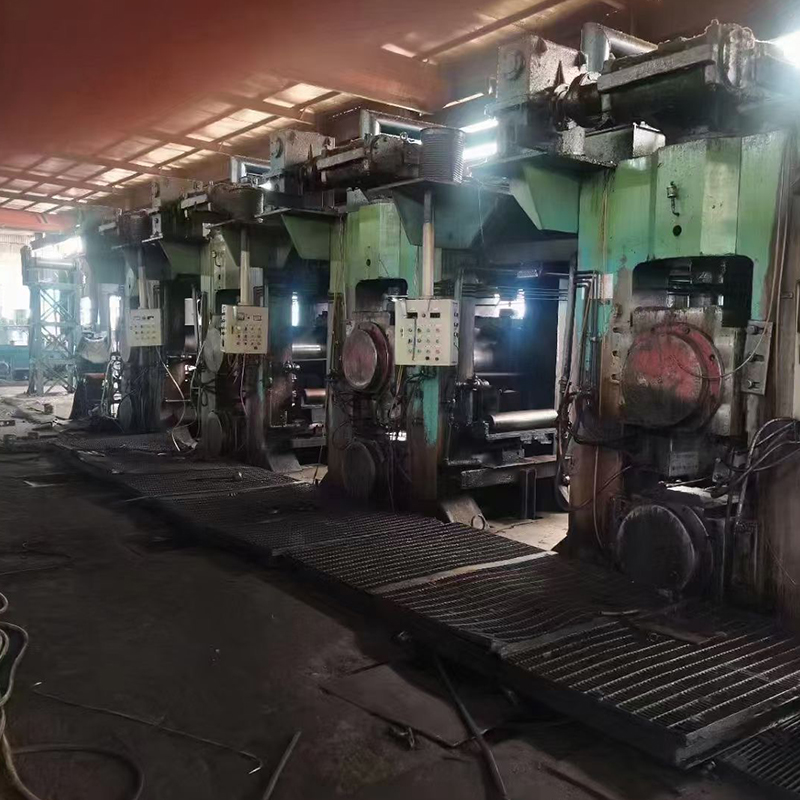
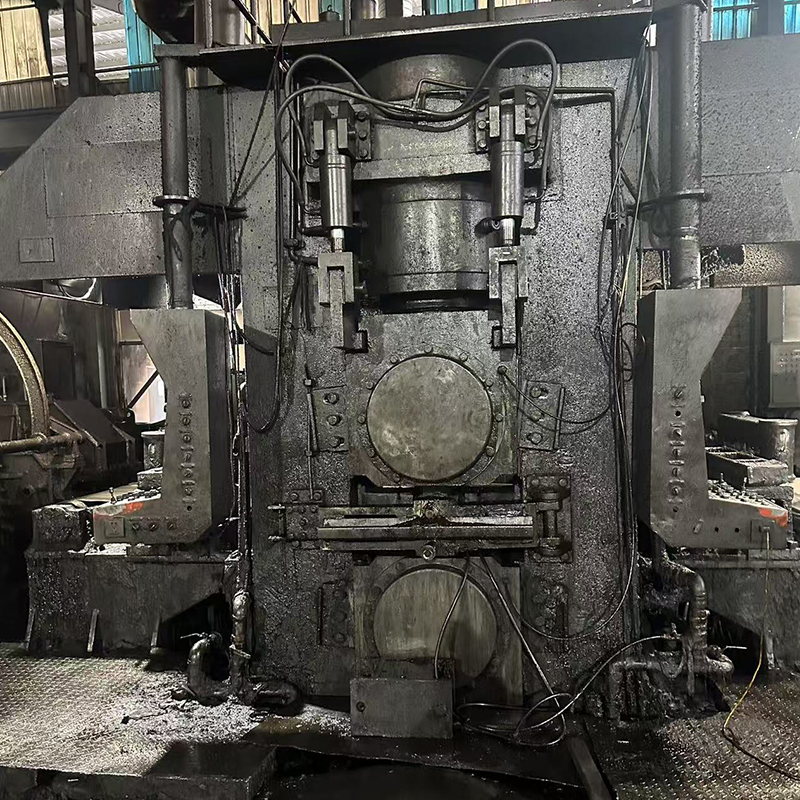
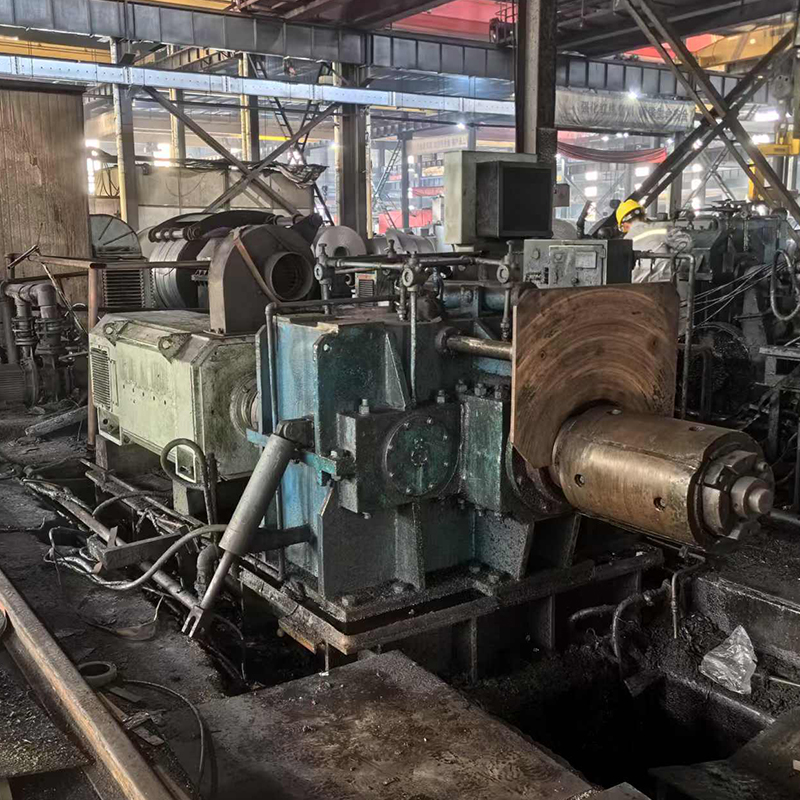
| 1 | Ultra-High Precision Rolling Capability | The minimum finished thickness can reach 0.24mm (design value up to 0.02mm), meeting the precision rolling requirements for high-end stainless steel strips (e.g., SUS 201). This precision is suitable for high-value industries such as electronic components, precision medical devices, decorative stainless steel strips, and food-grade stainless steel. Compared to conventional rolling mills with a thickness limit of 0.3-0.5mm, this equipment has a clear technical advantage in thin-strip rolling. |
| 2 | Wide Rolling Width | The maximum rolling width is 690mm, which has already been fully utilized by the previous owner, indicating that the equipment's capacity is well leveraged. The 690mm width is suitable for medium-width stainless steel strip production, meeting the width requirements of industries such as kitchenware, hardware stamping, and architectural decoration. The equipment has shown no significant issues with strip wandering or poor shape during actual use. |
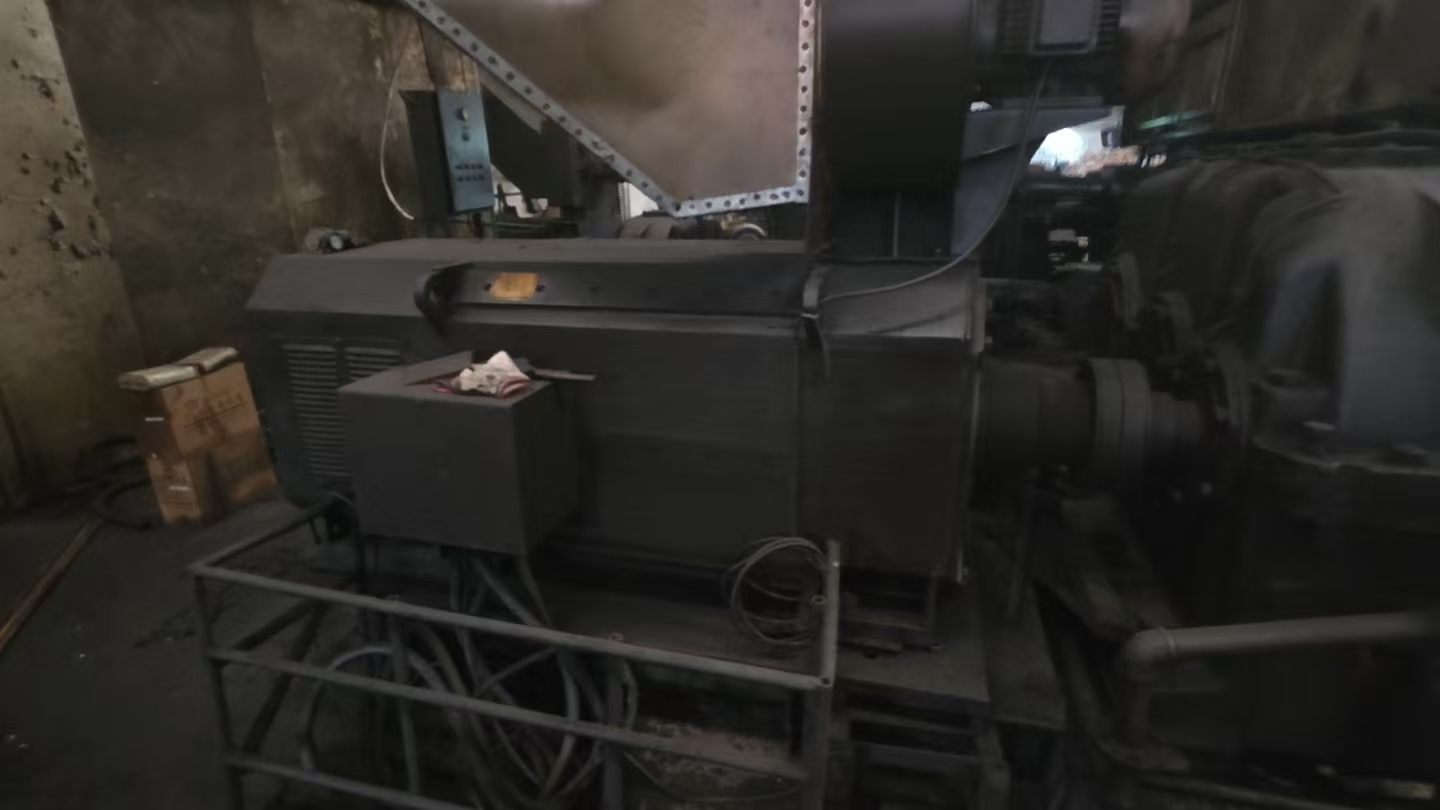
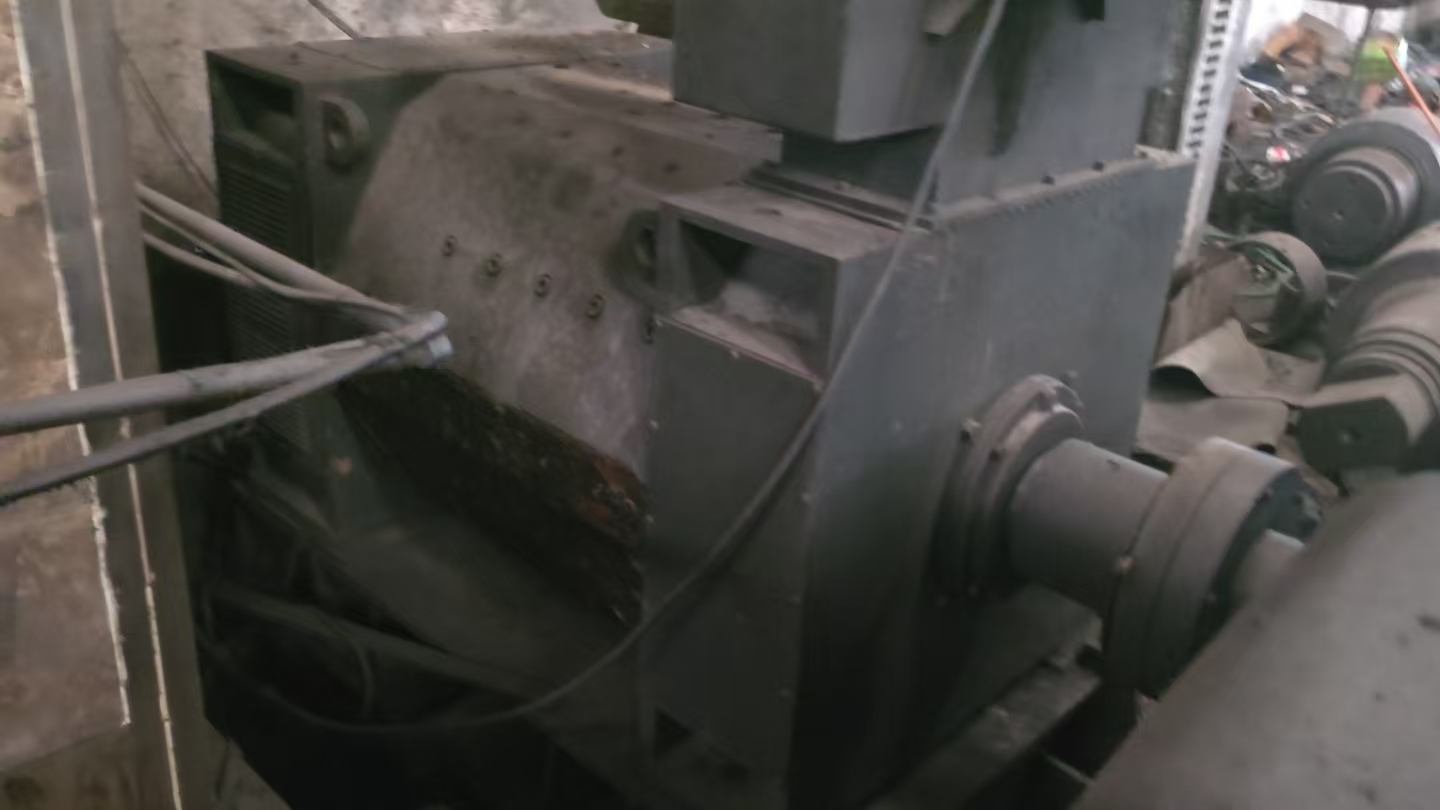
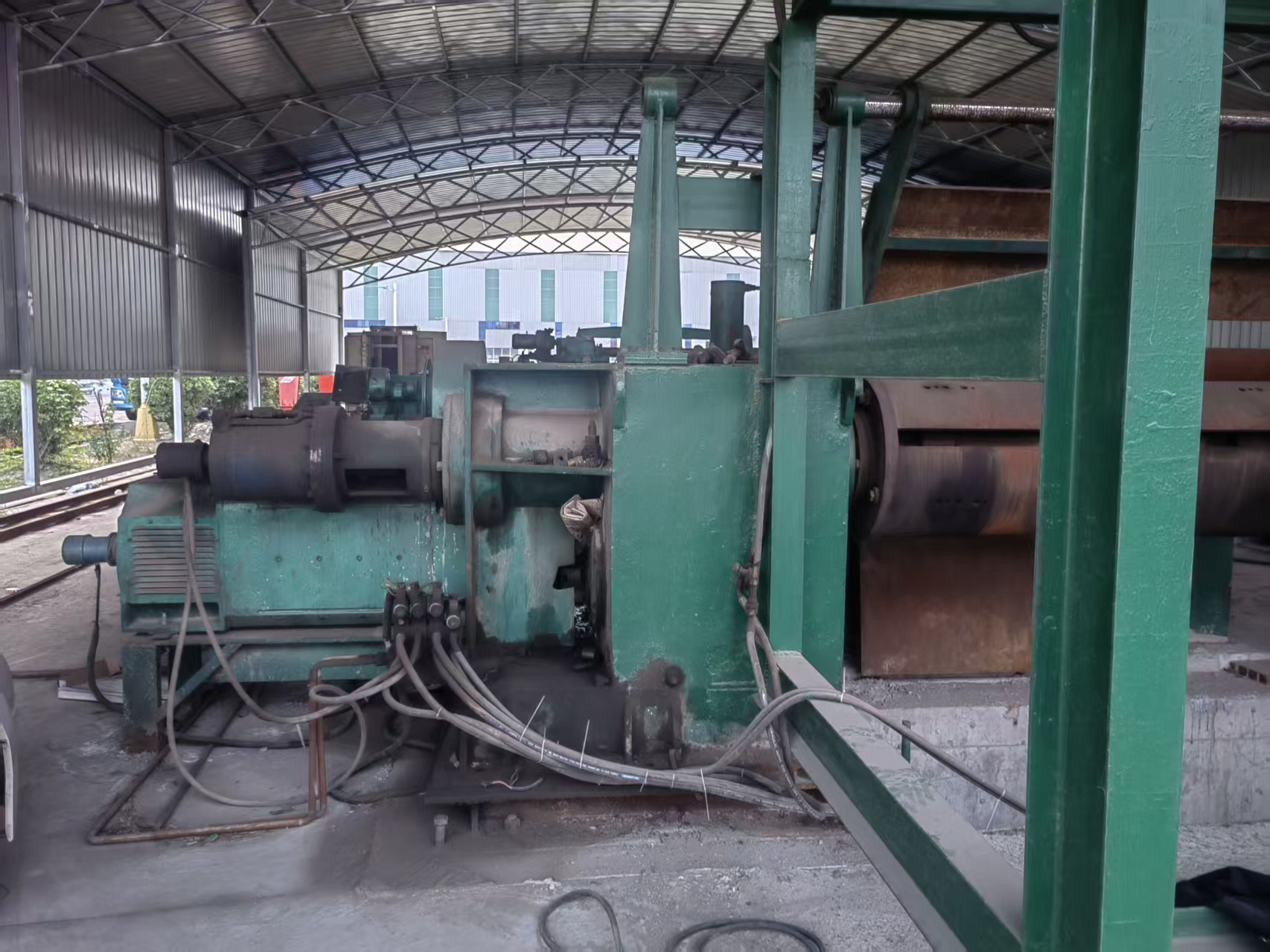
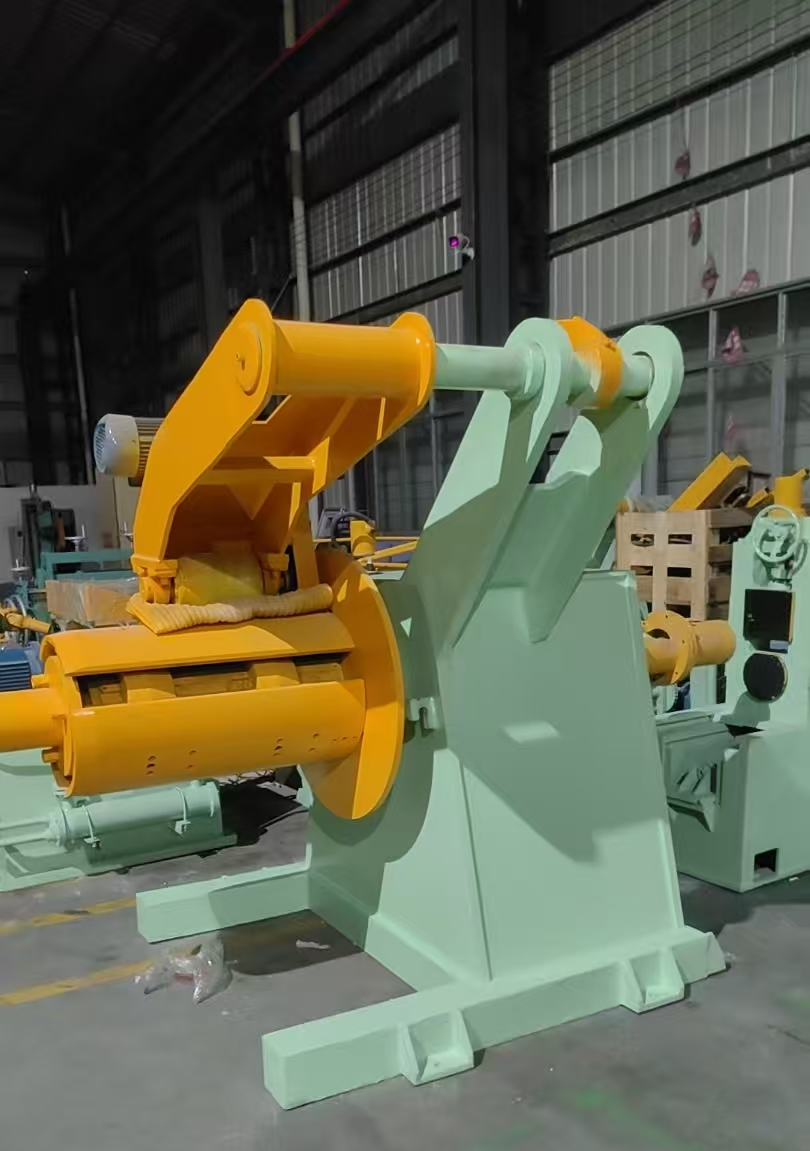
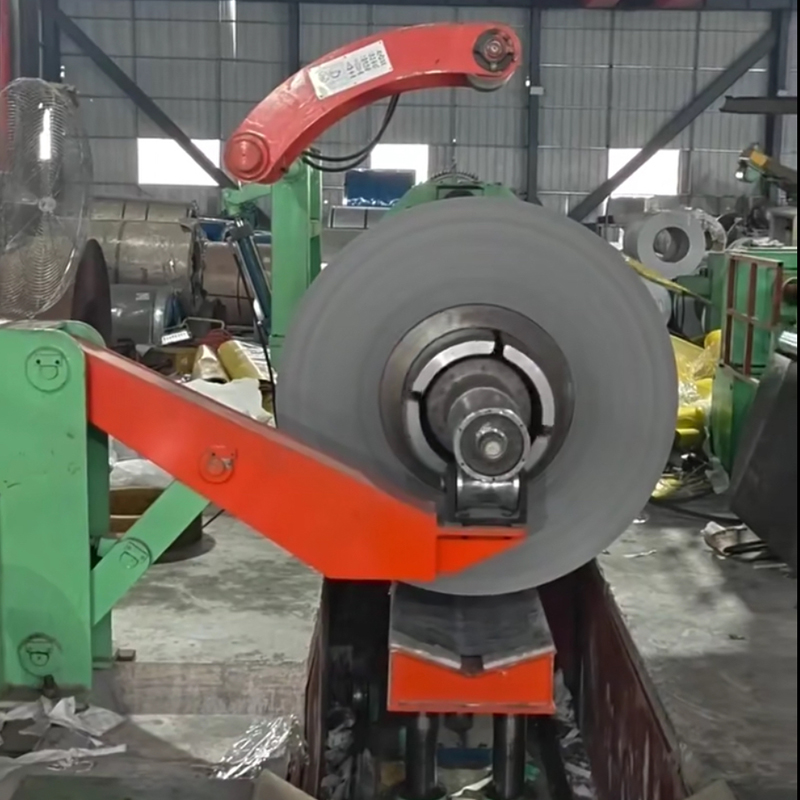
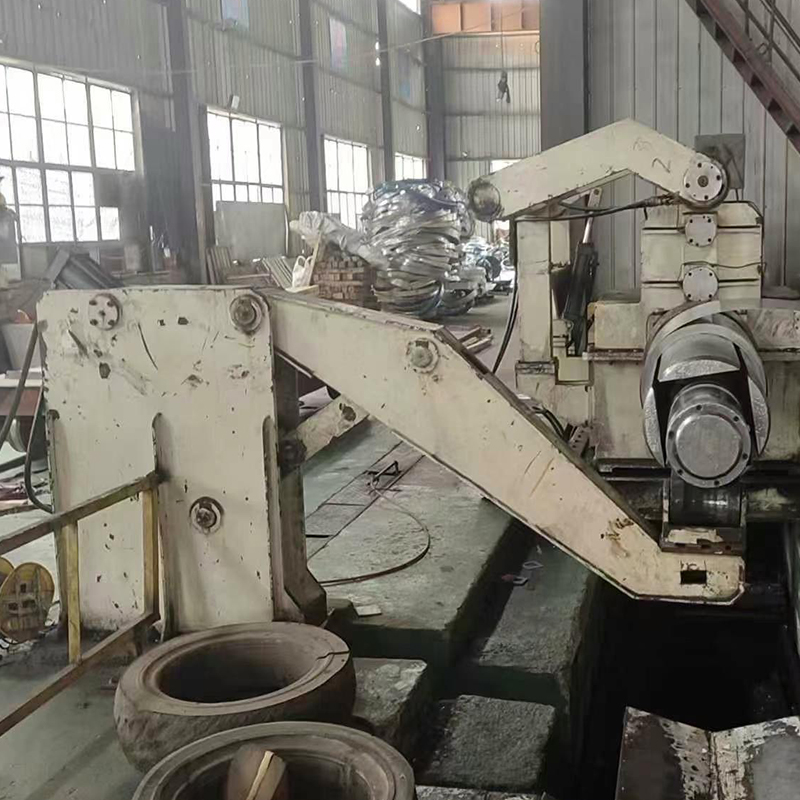
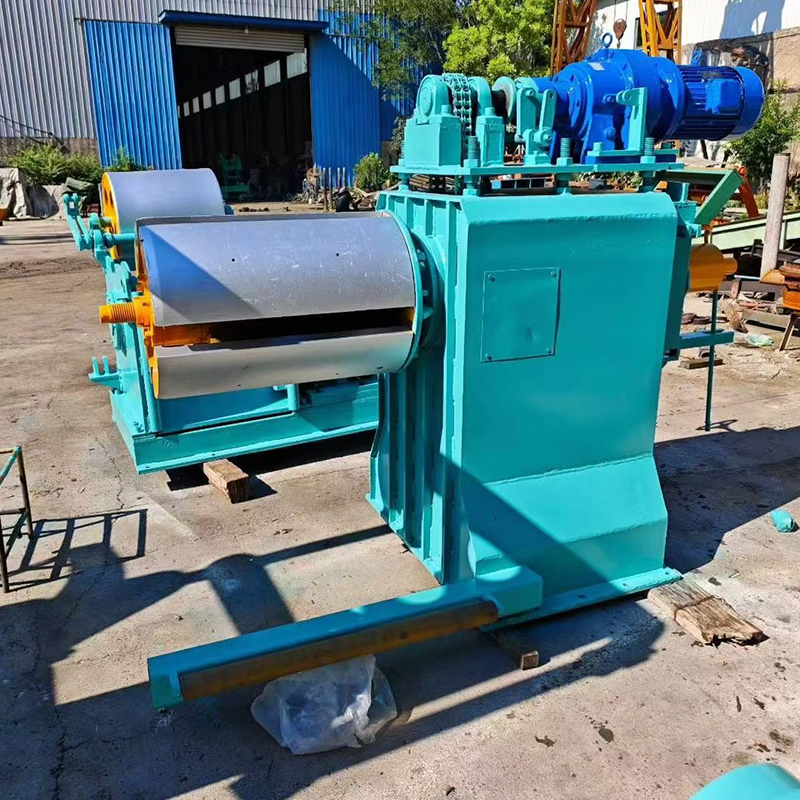
| 3 | Powerful Main Motor System | The main motor is rated at 750kW, and both the recoiler and uncoiler motors are rated at 500kW each. These three high-power motors are independently controlled, ensuring stable operation under high-load, continuous rolling conditions. The high-power configuration allows the equipment to process 2.5mm thick stainless steel feedstock with multiple high-efficiency rolling passes, delivering substantial daily output and a short return on investment cycle. |
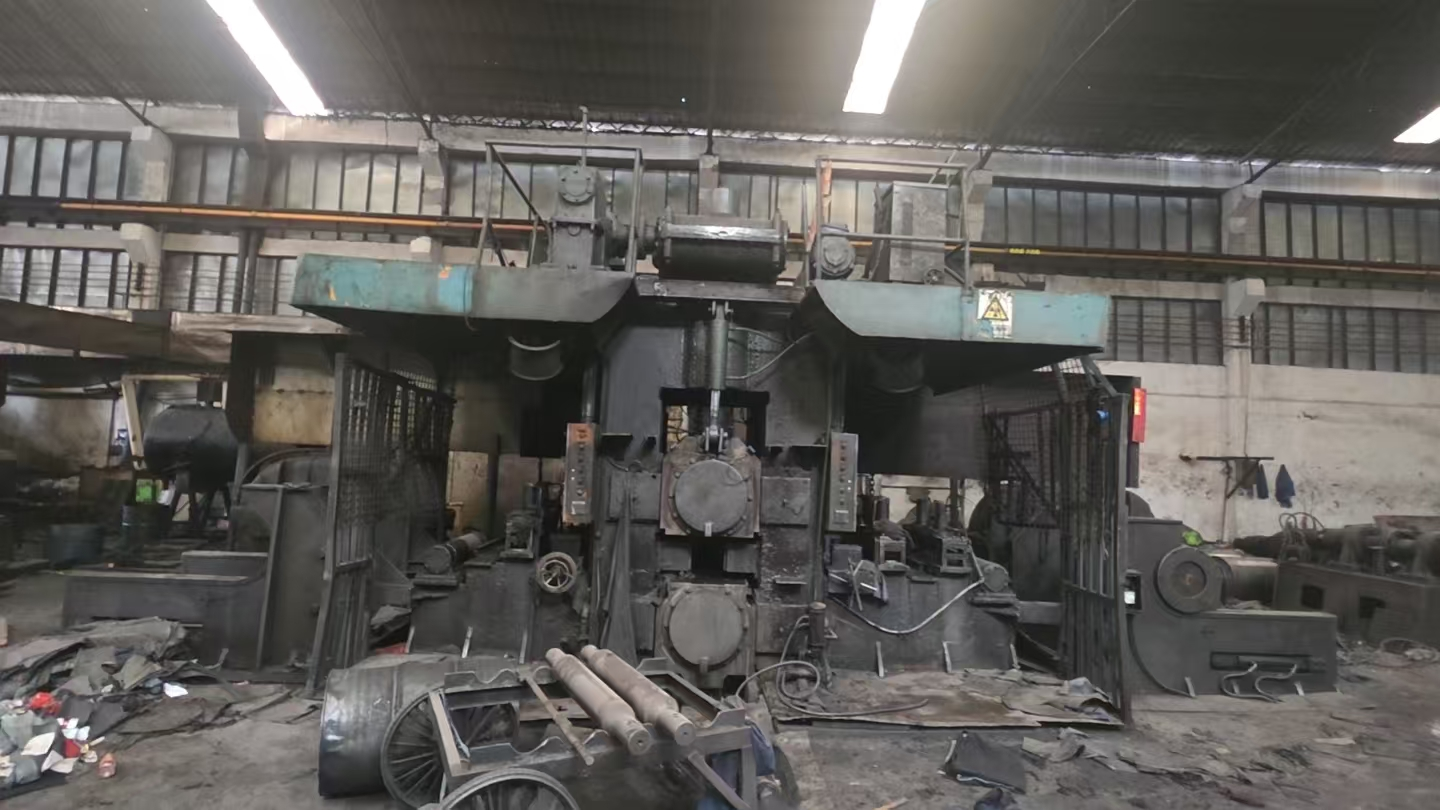
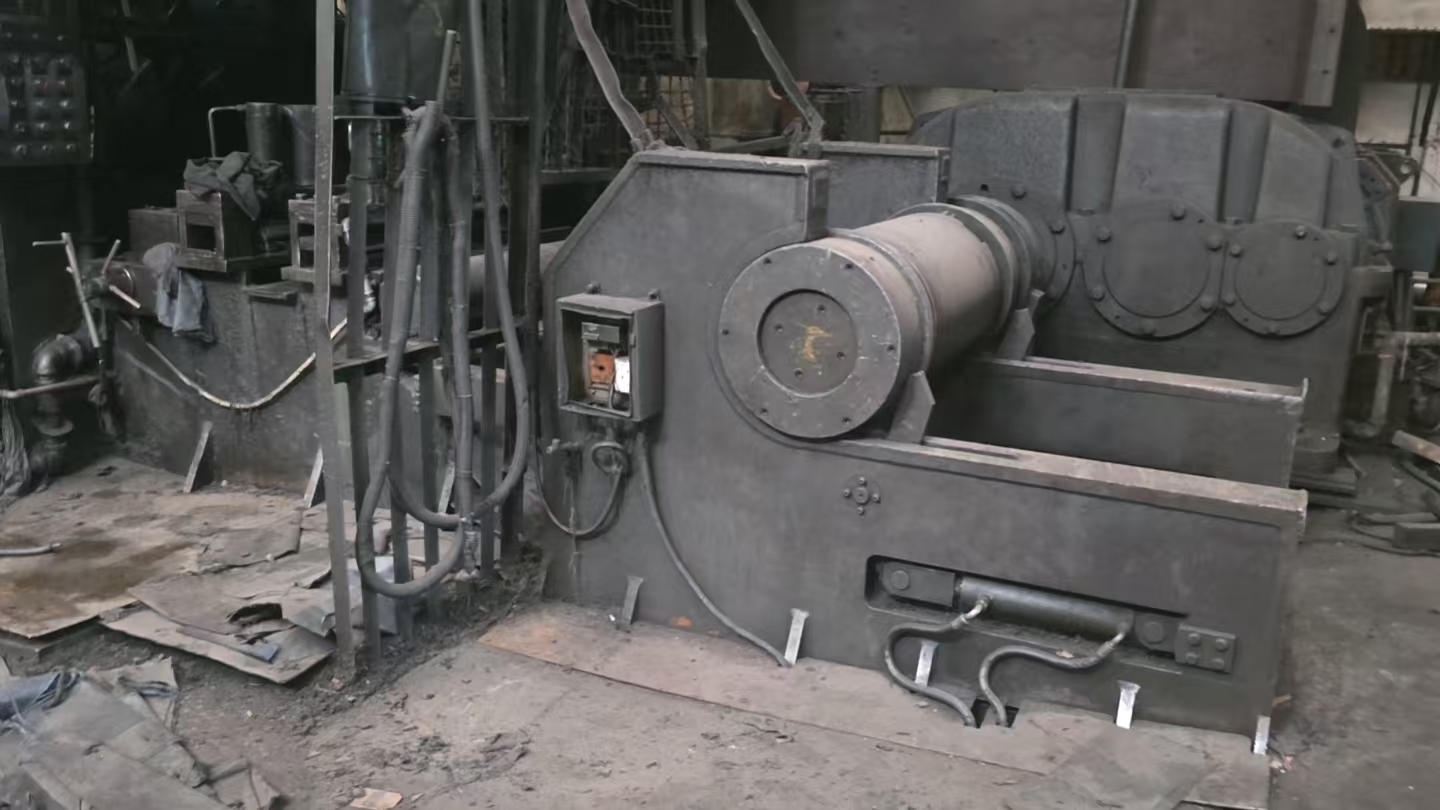
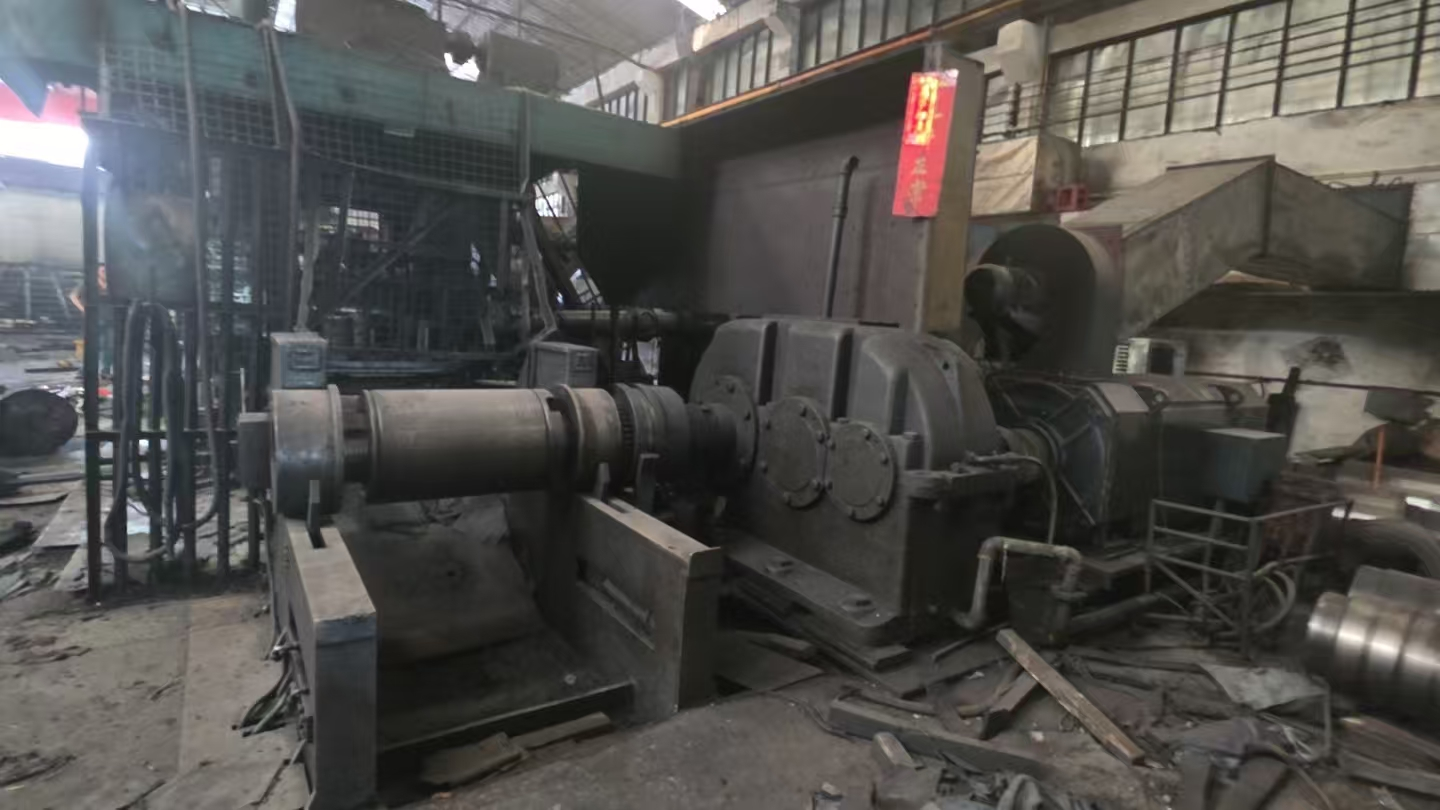
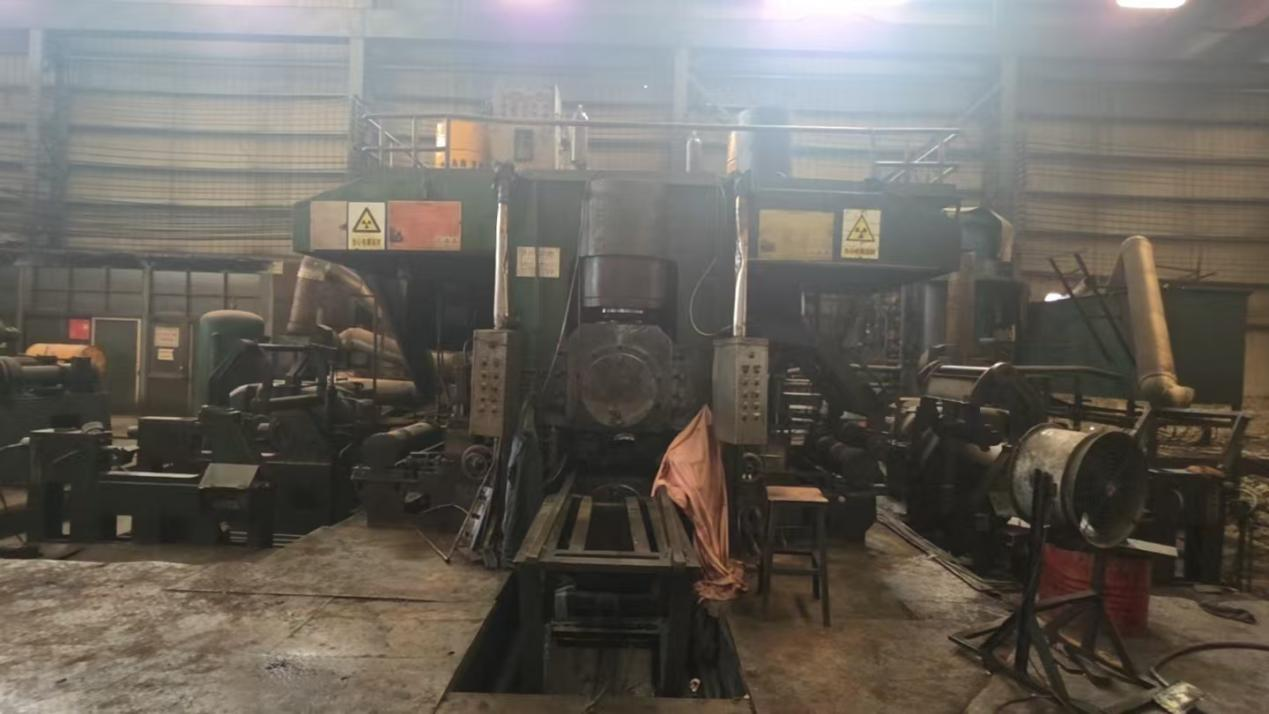
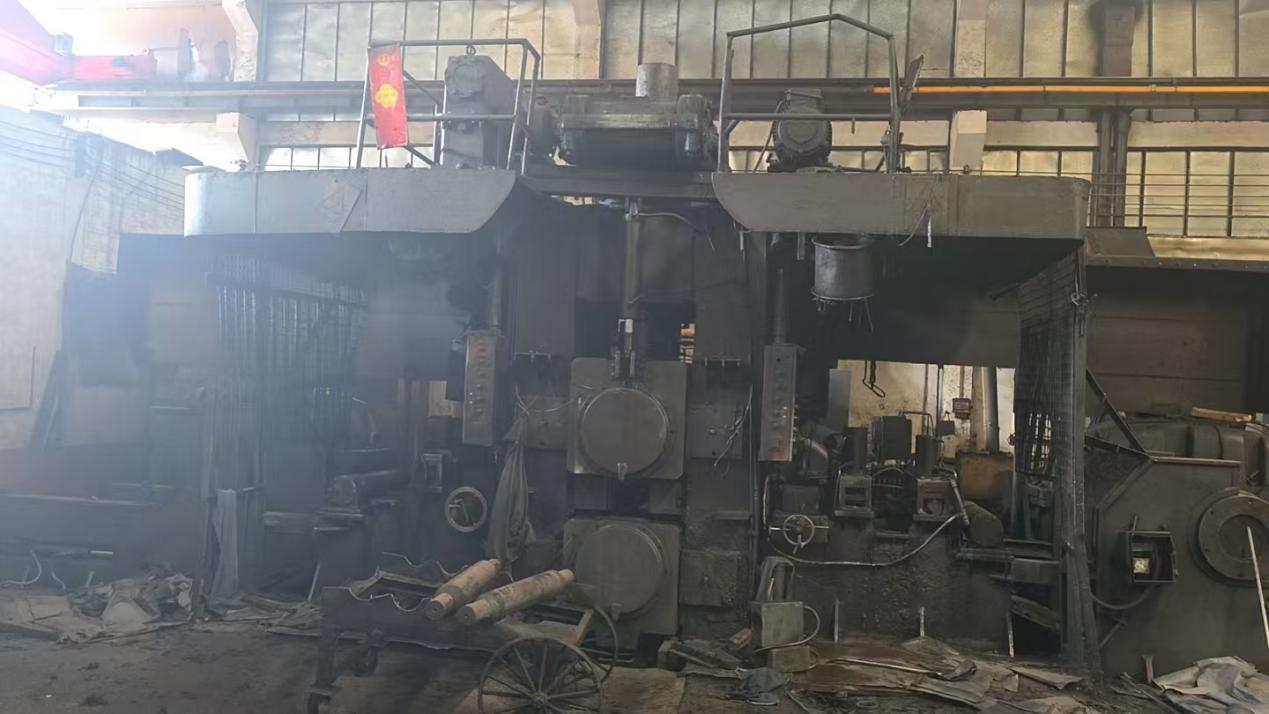
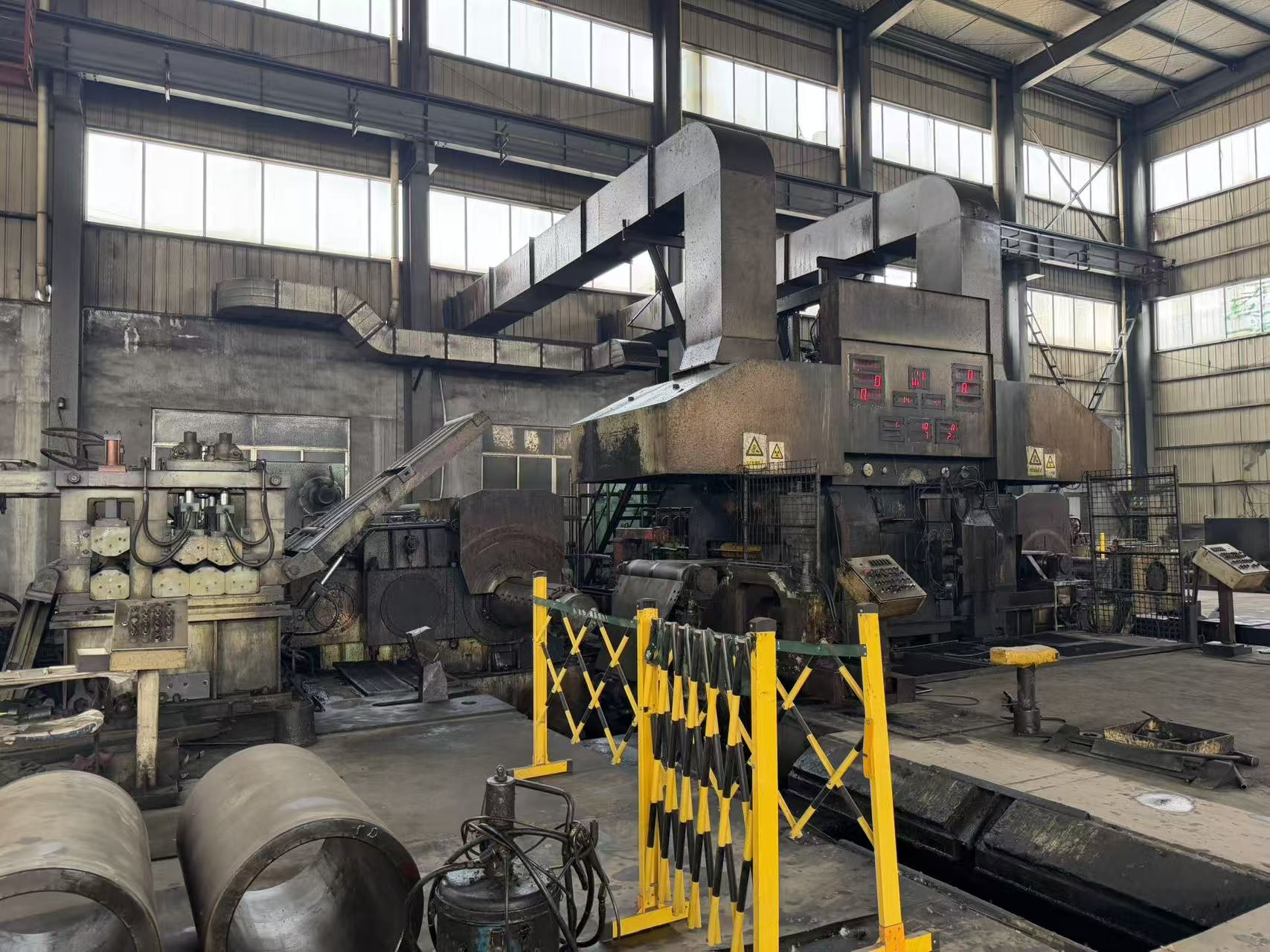
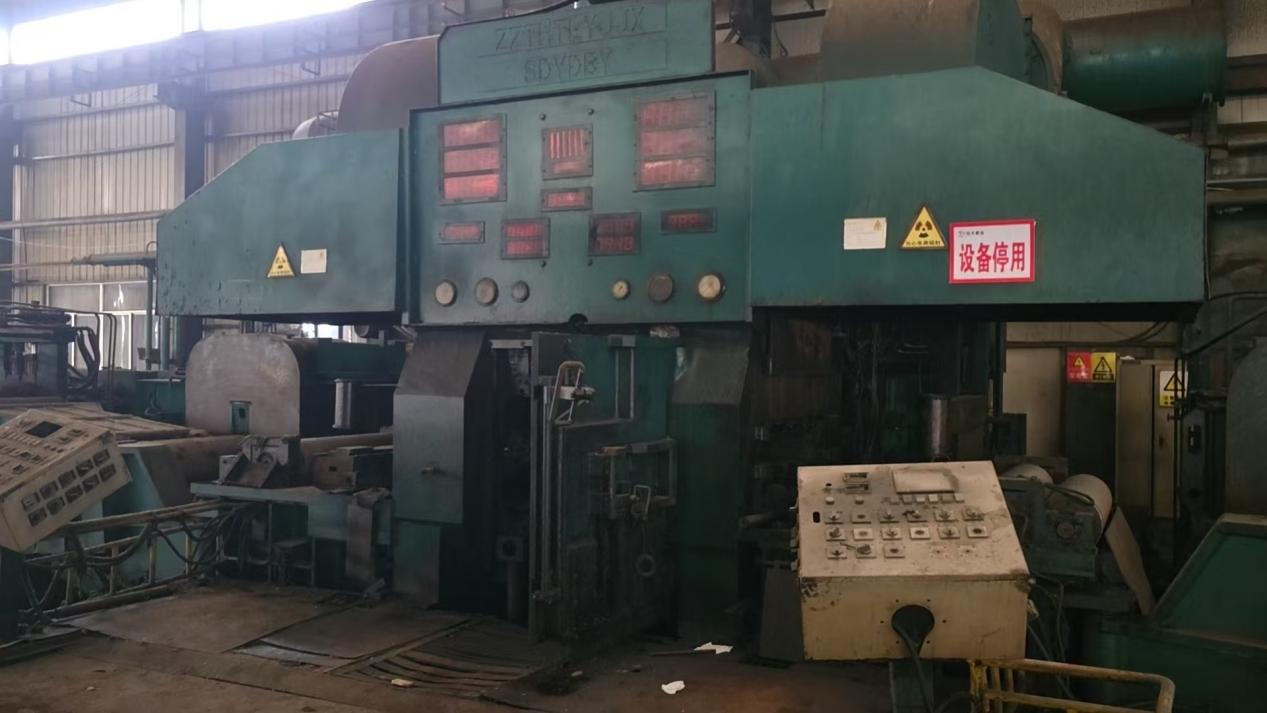
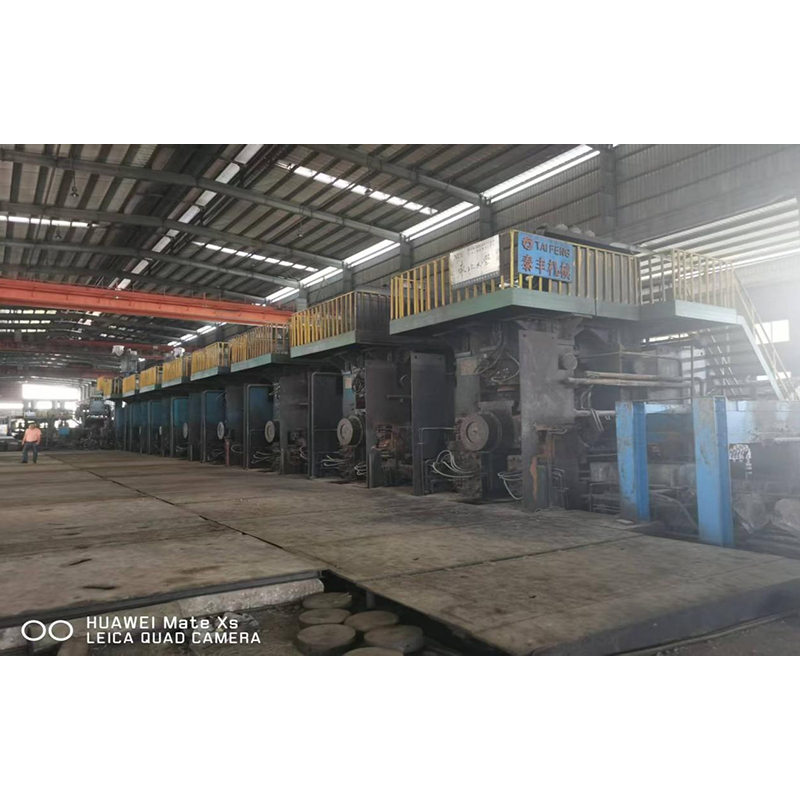
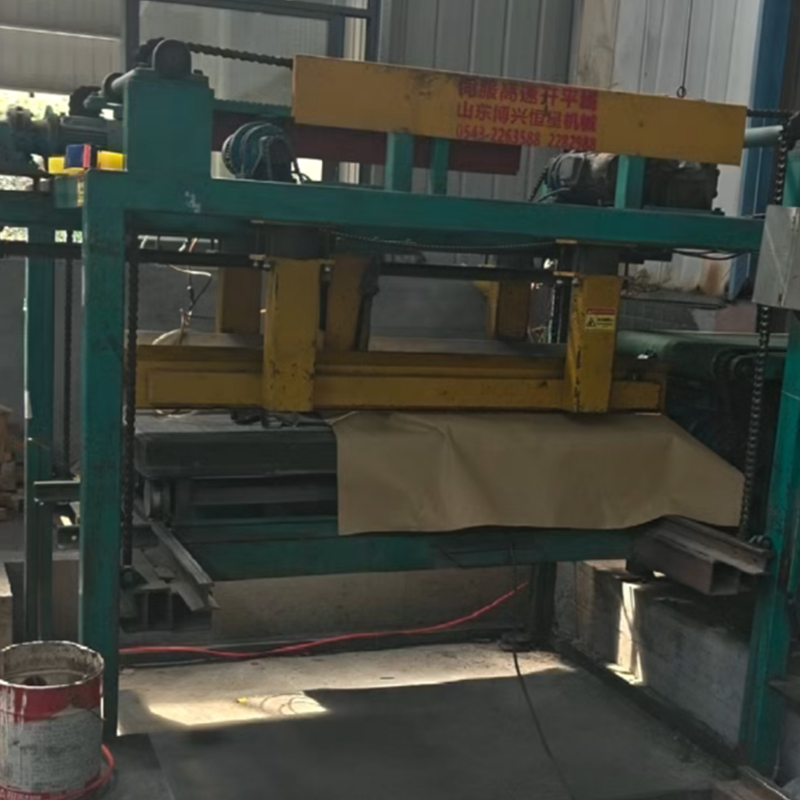
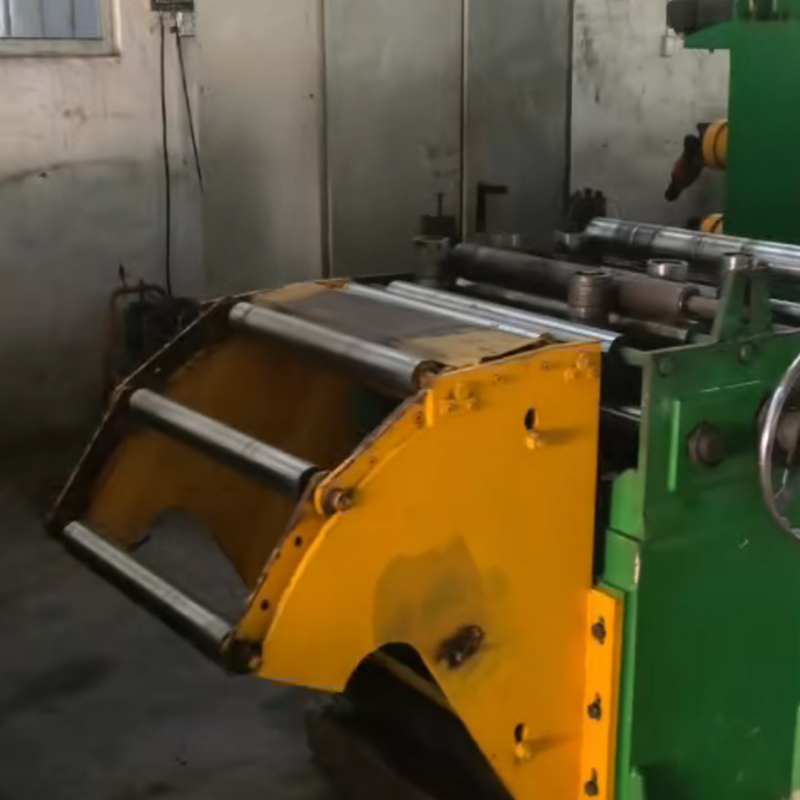
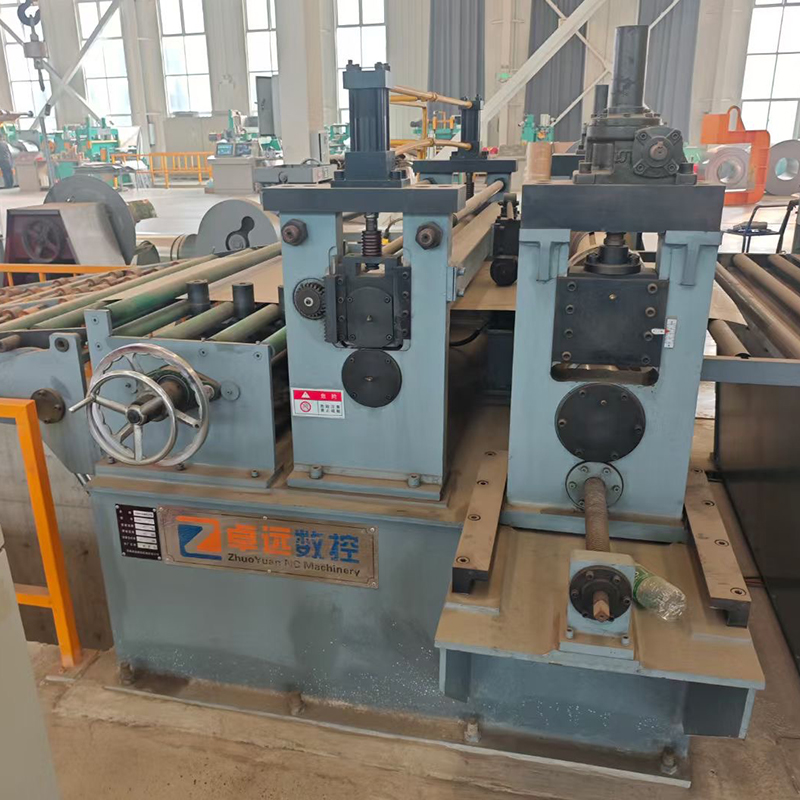
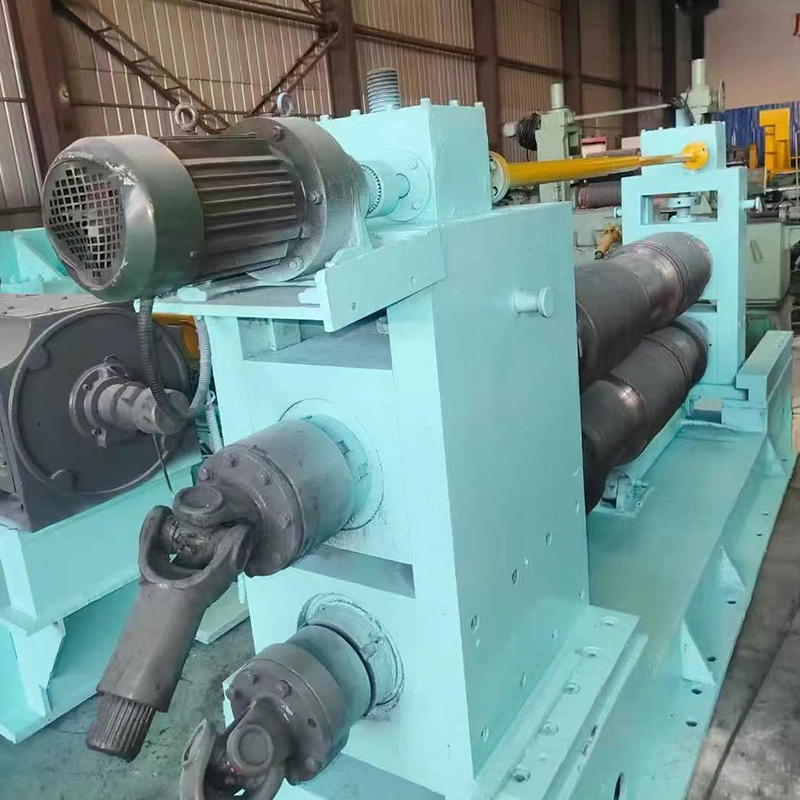
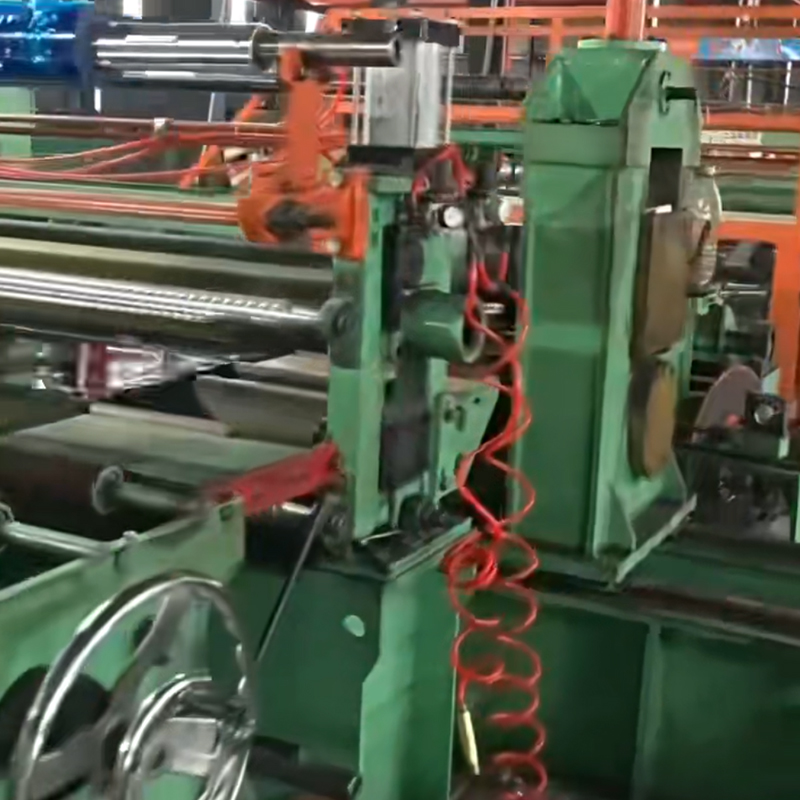
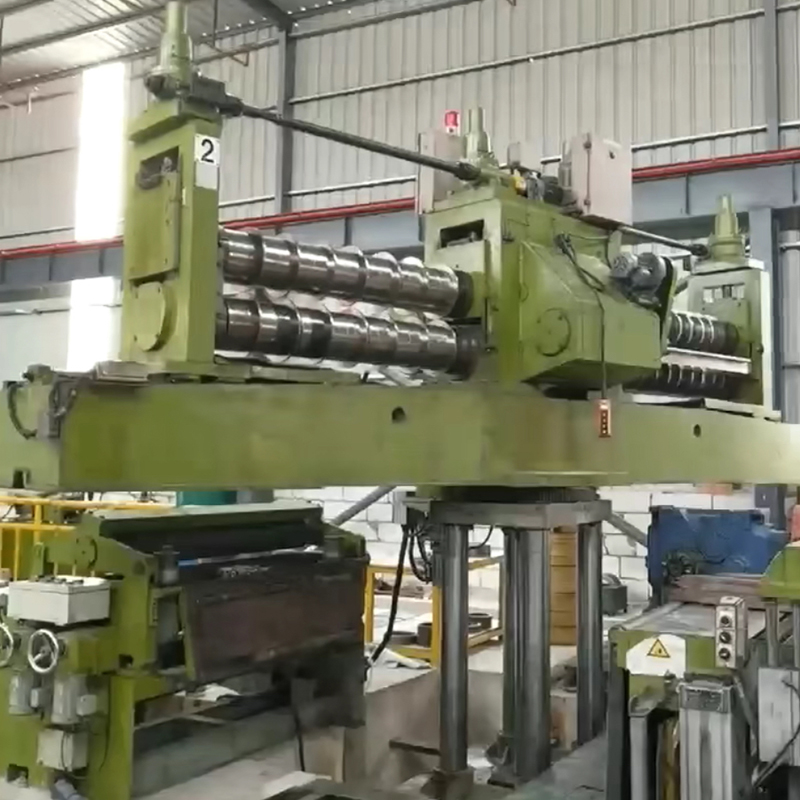
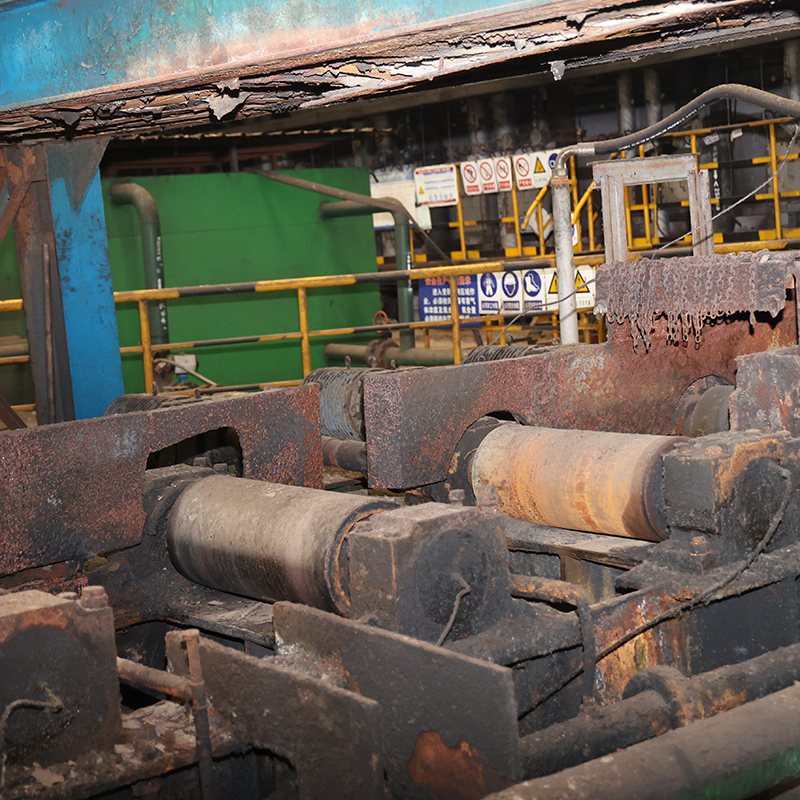
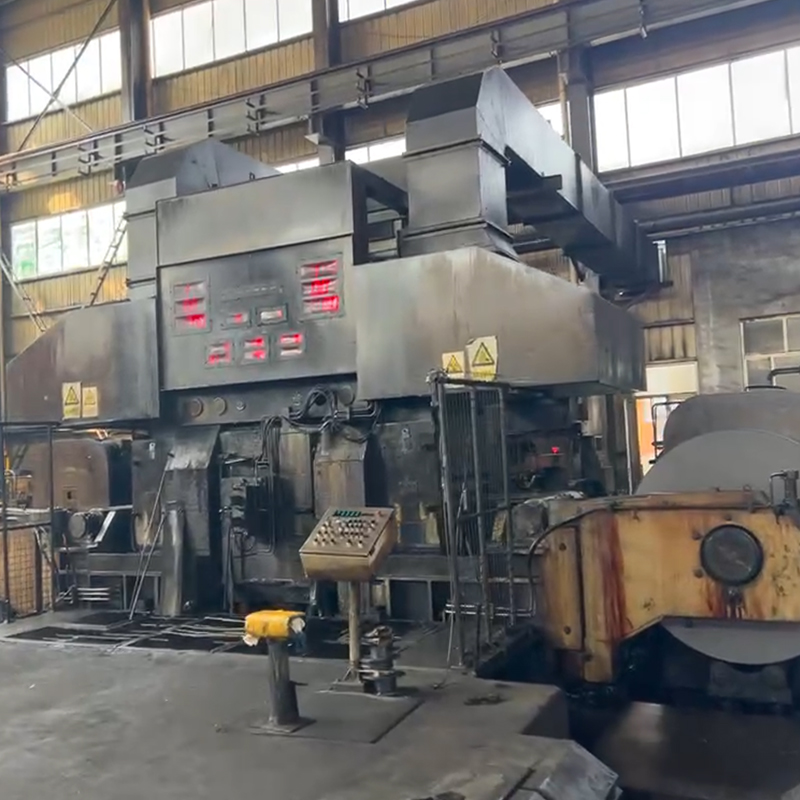
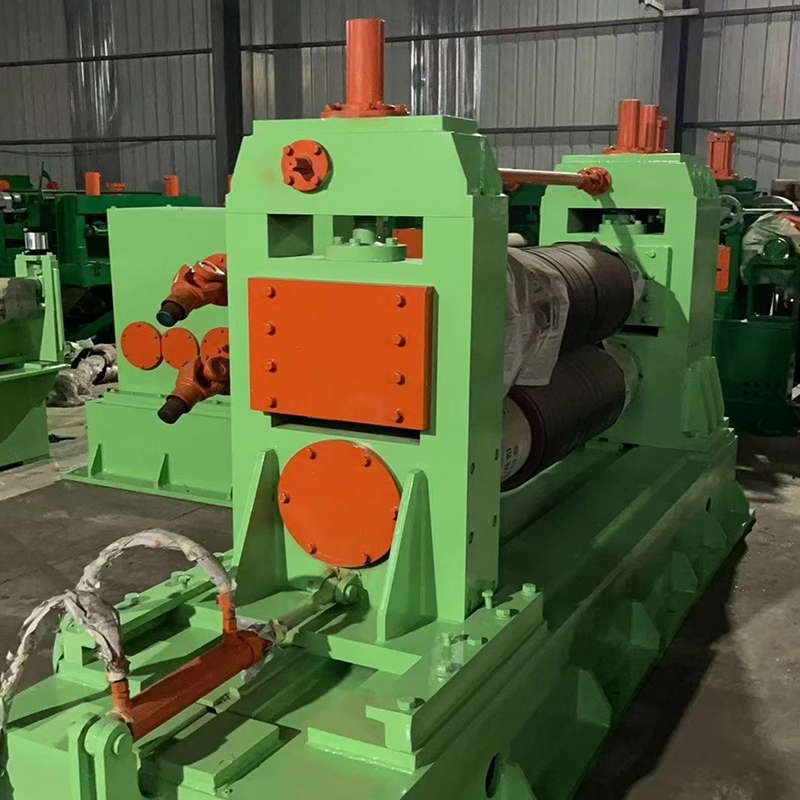
| 4 | Optimized 4-Hi Roll Configuration | The working roller size is Φ150×780mm, and the backup roller size is Φ620×700mm. The 4-Hi structure is a classic design in cold rolling, with key advantages including large-diameter backup rollers providing sufficient rigidity to minimize elastic deformation under rolling force, and small-diameter working rollers reducing contact area and rolling force requirements, making thin-strip rolling easier to achieve. |
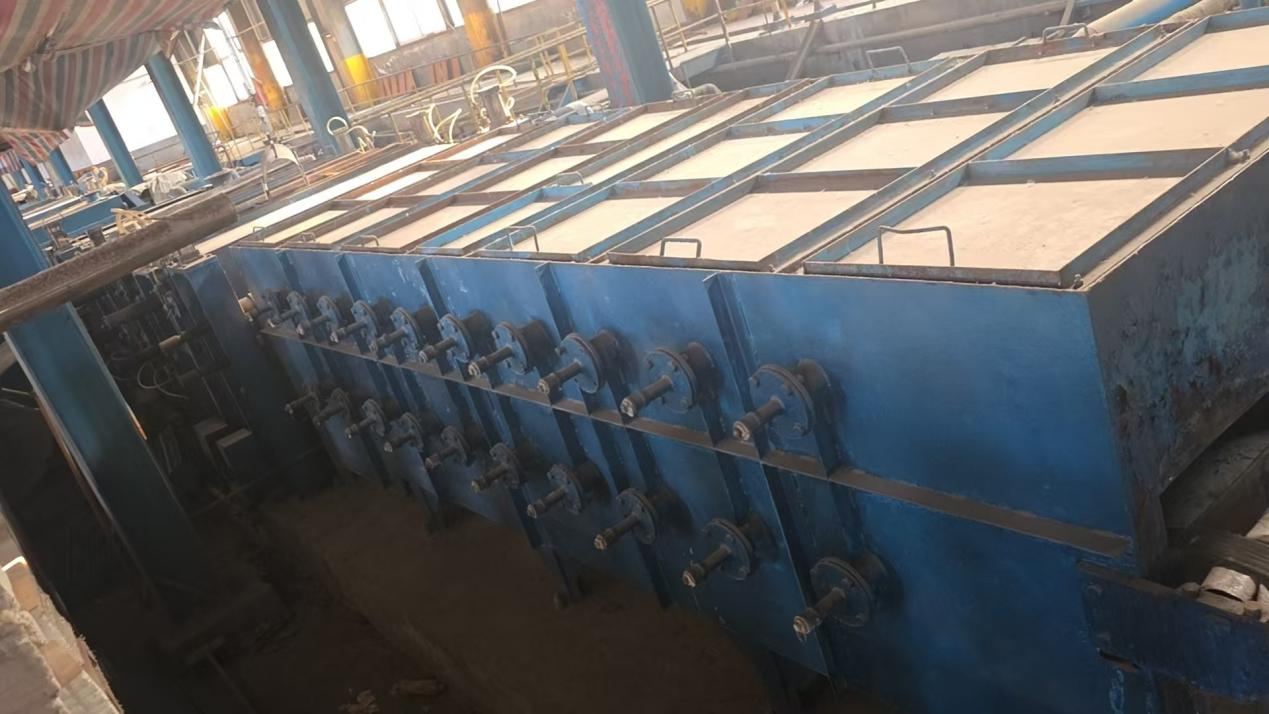
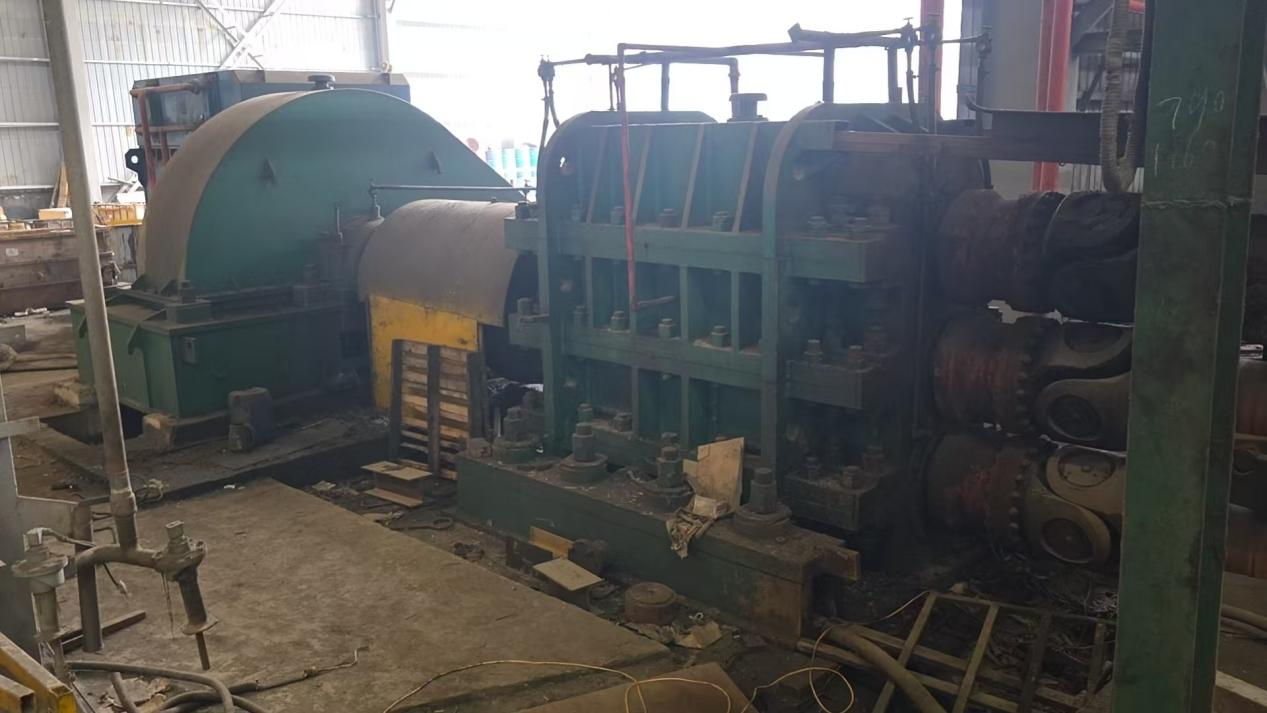
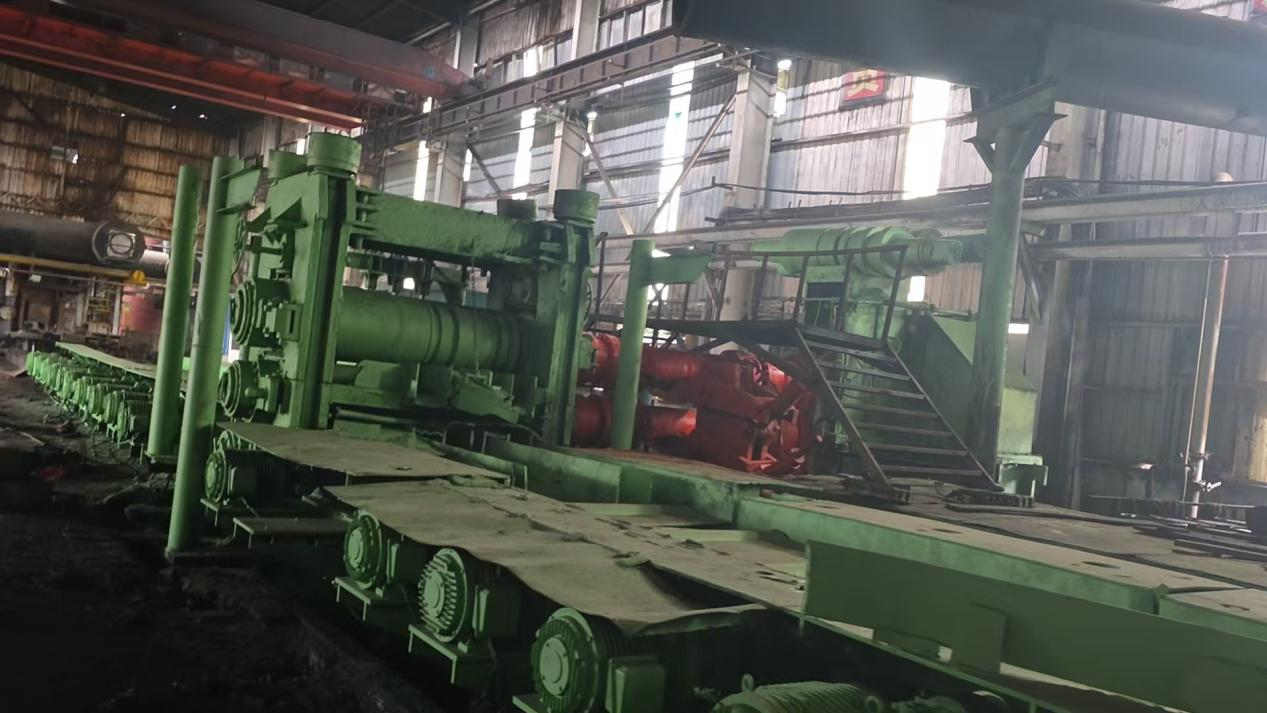
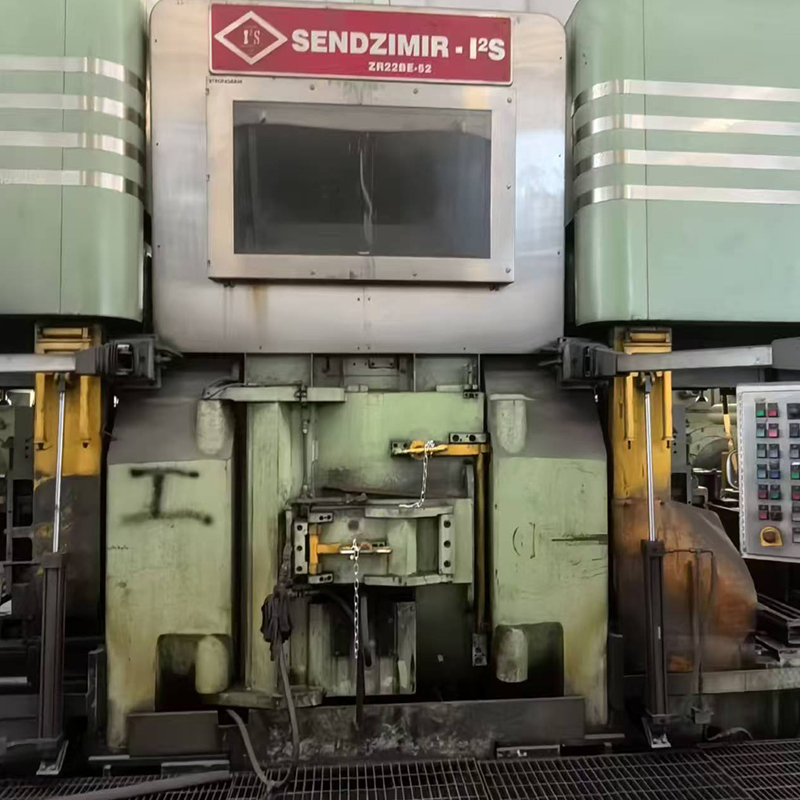
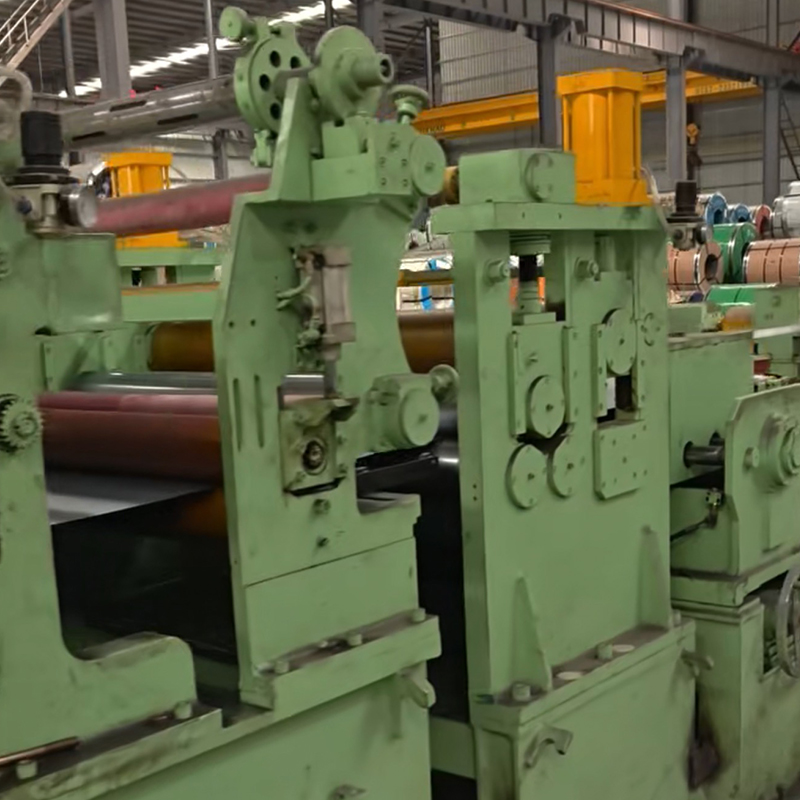
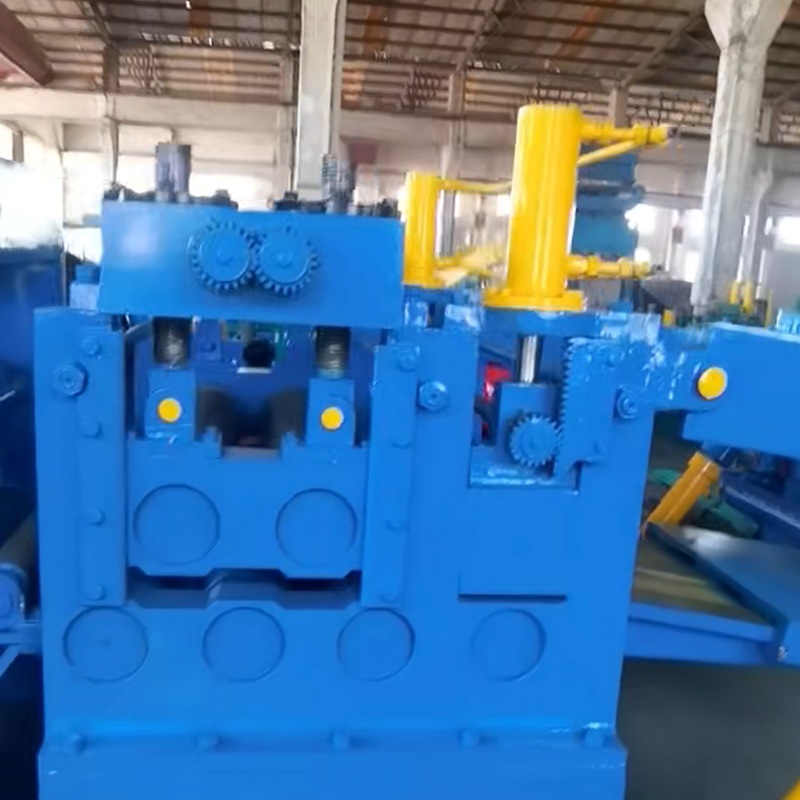
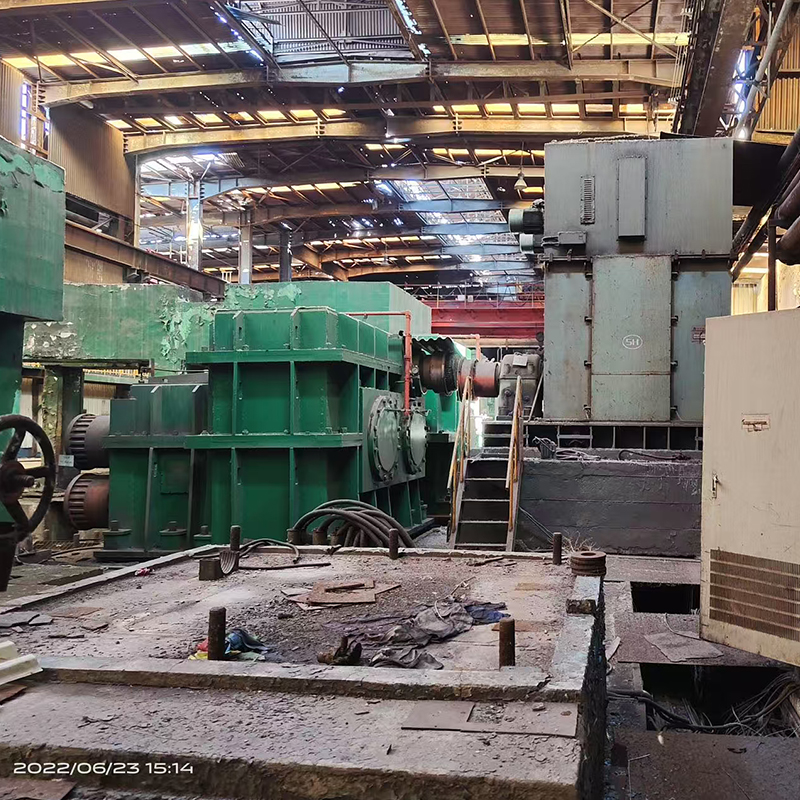
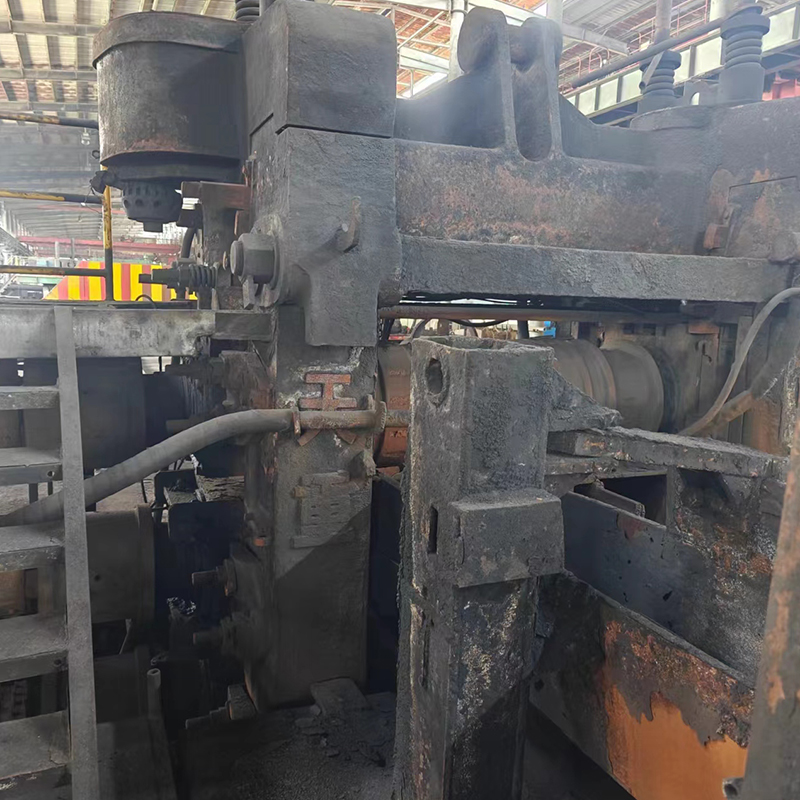
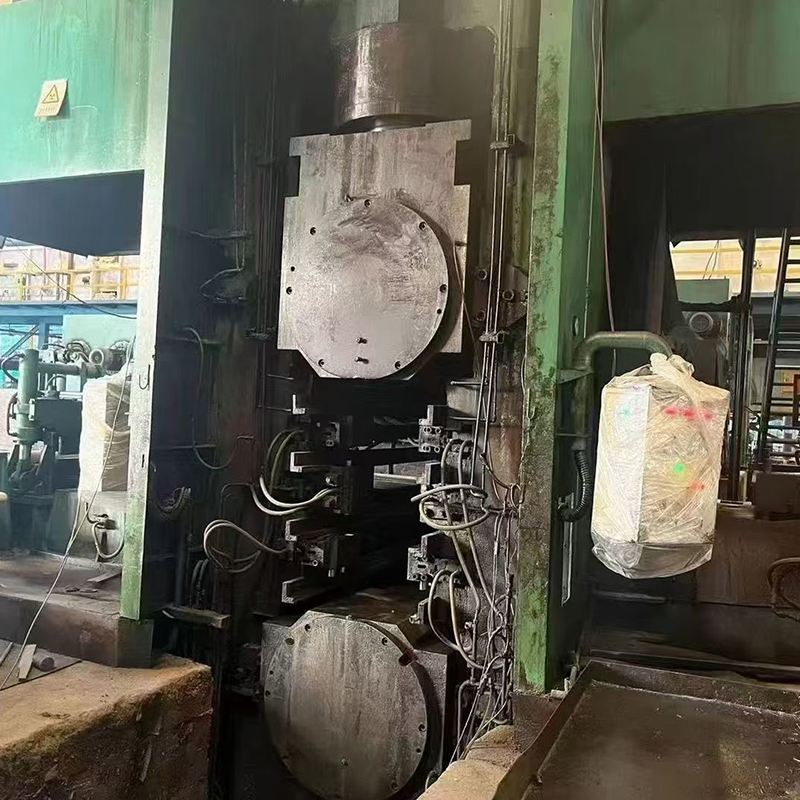
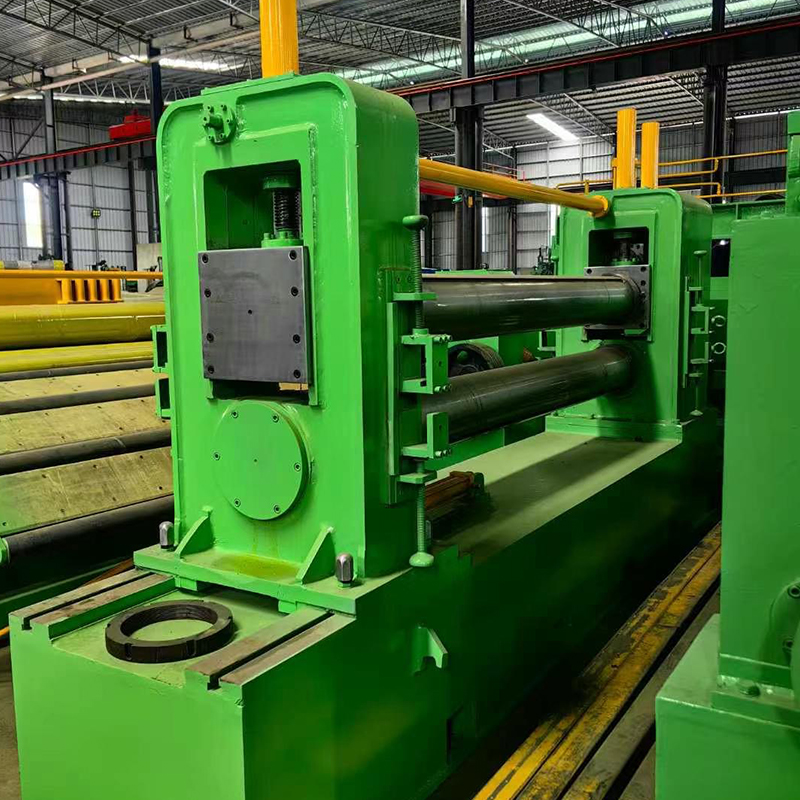
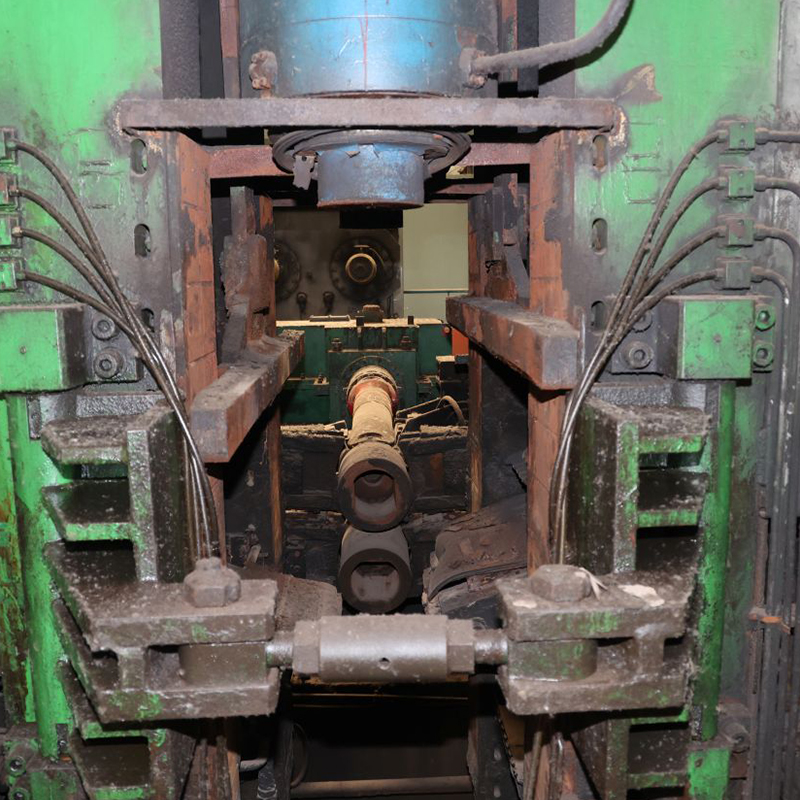
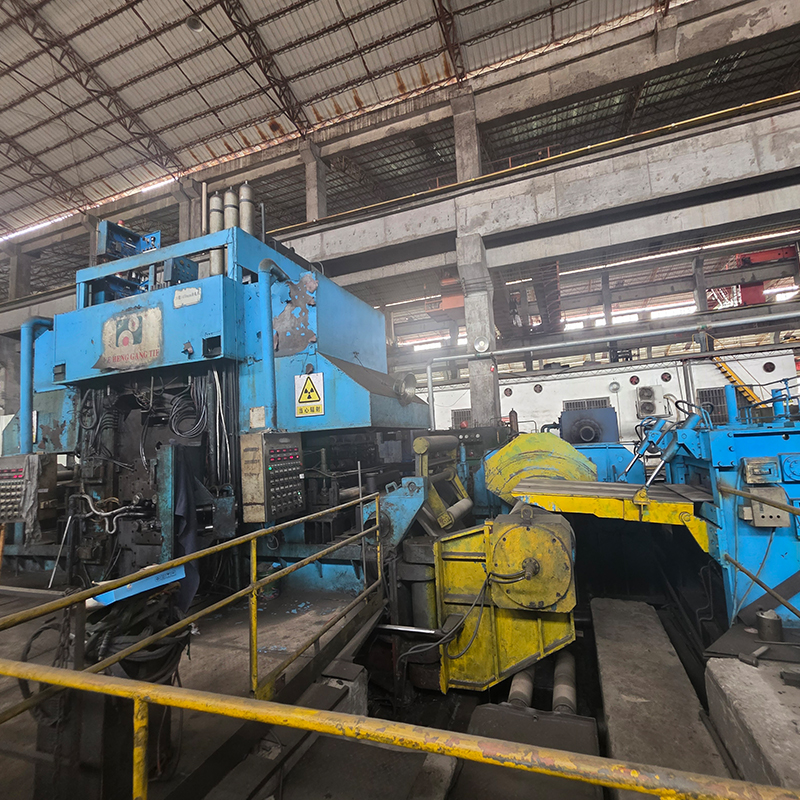
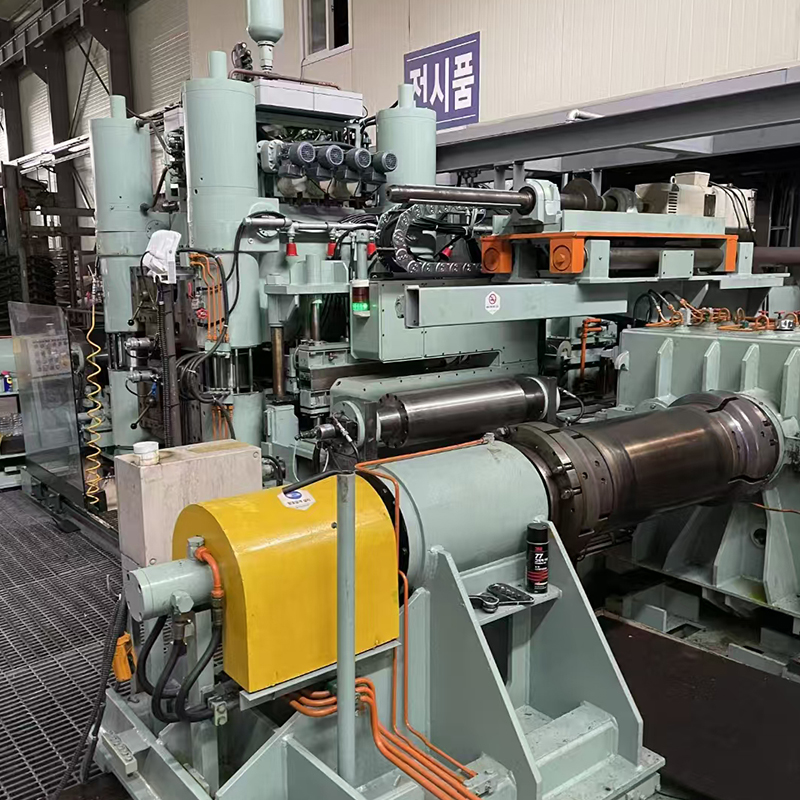
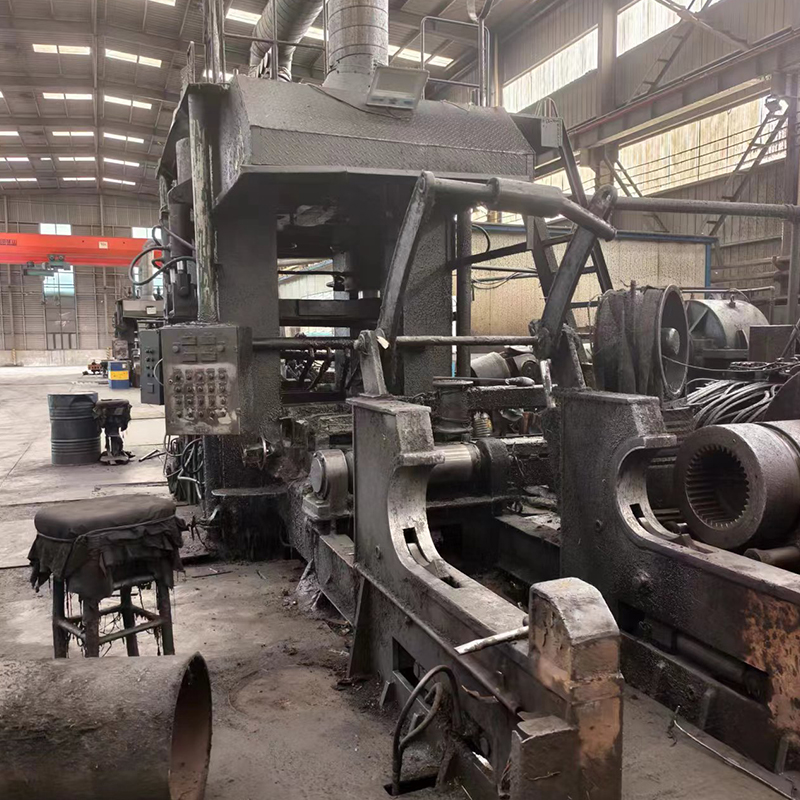
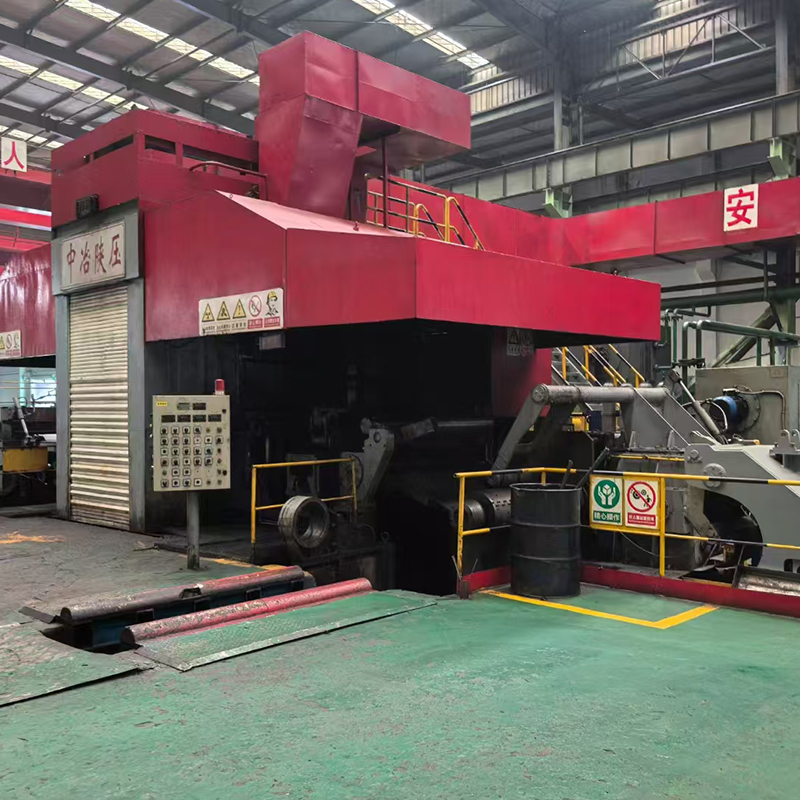
| 5 | Robust Housing Structure | The housing column cross-section is Φ450×380mm, providing strong overall rigidity capable of withstanding significant rolling forces without noticeable deformation. The housing is the core load-bearing component of the rolling mill, and its rigidity directly affects rolling stability and strip shape quality. The large column cross-section ensures that the equipment maintains good alignment accuracy even under long-term high-load operation. |
| 6 | Reliable Electric Control System Brand | The electric control system is manufactured by Eurotherm, a well-known brand in global industrial automation and process control, with particular technical advantages in precision drive and temperature control. The system is complete and in good condition, with no missing key components, including PLC control cabinets, variable frequency drives, operator stations, and sensors. |
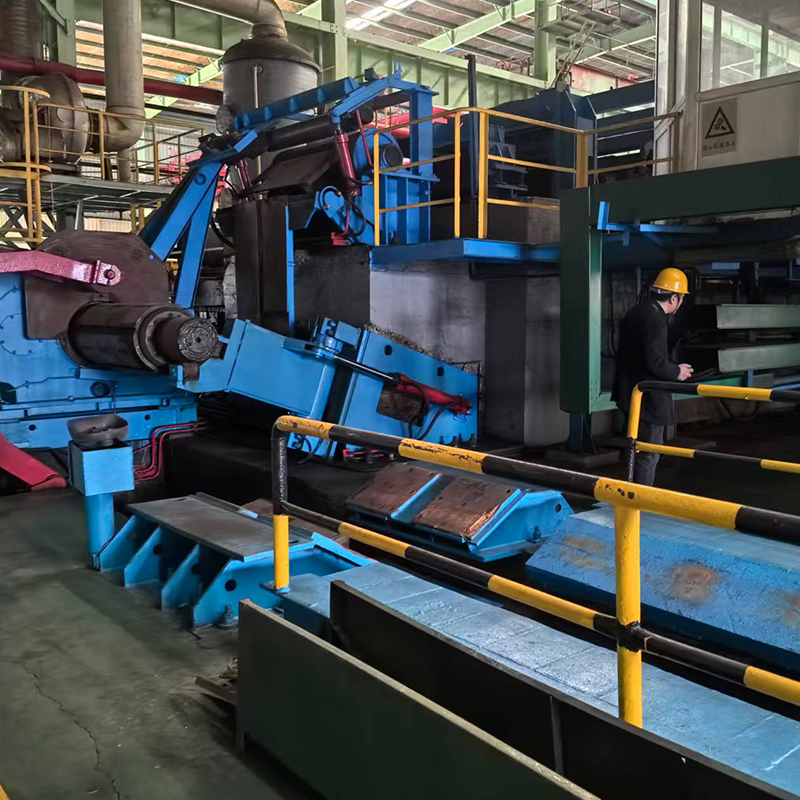
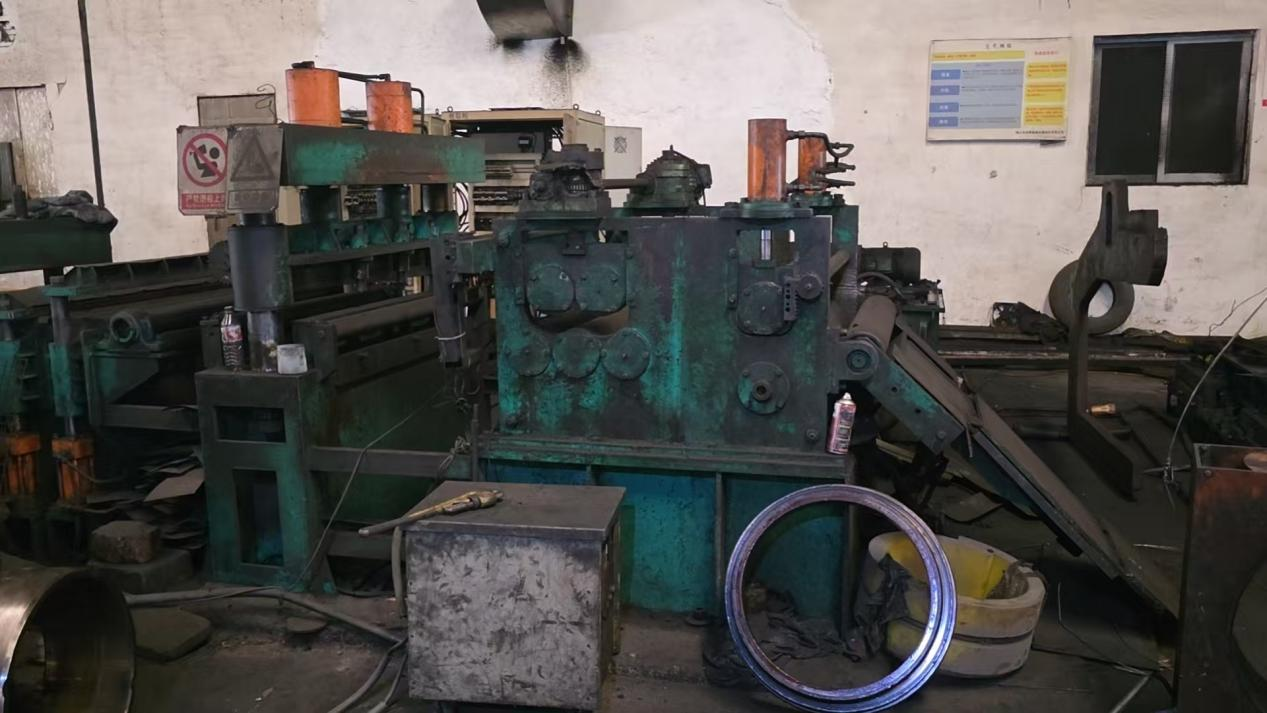
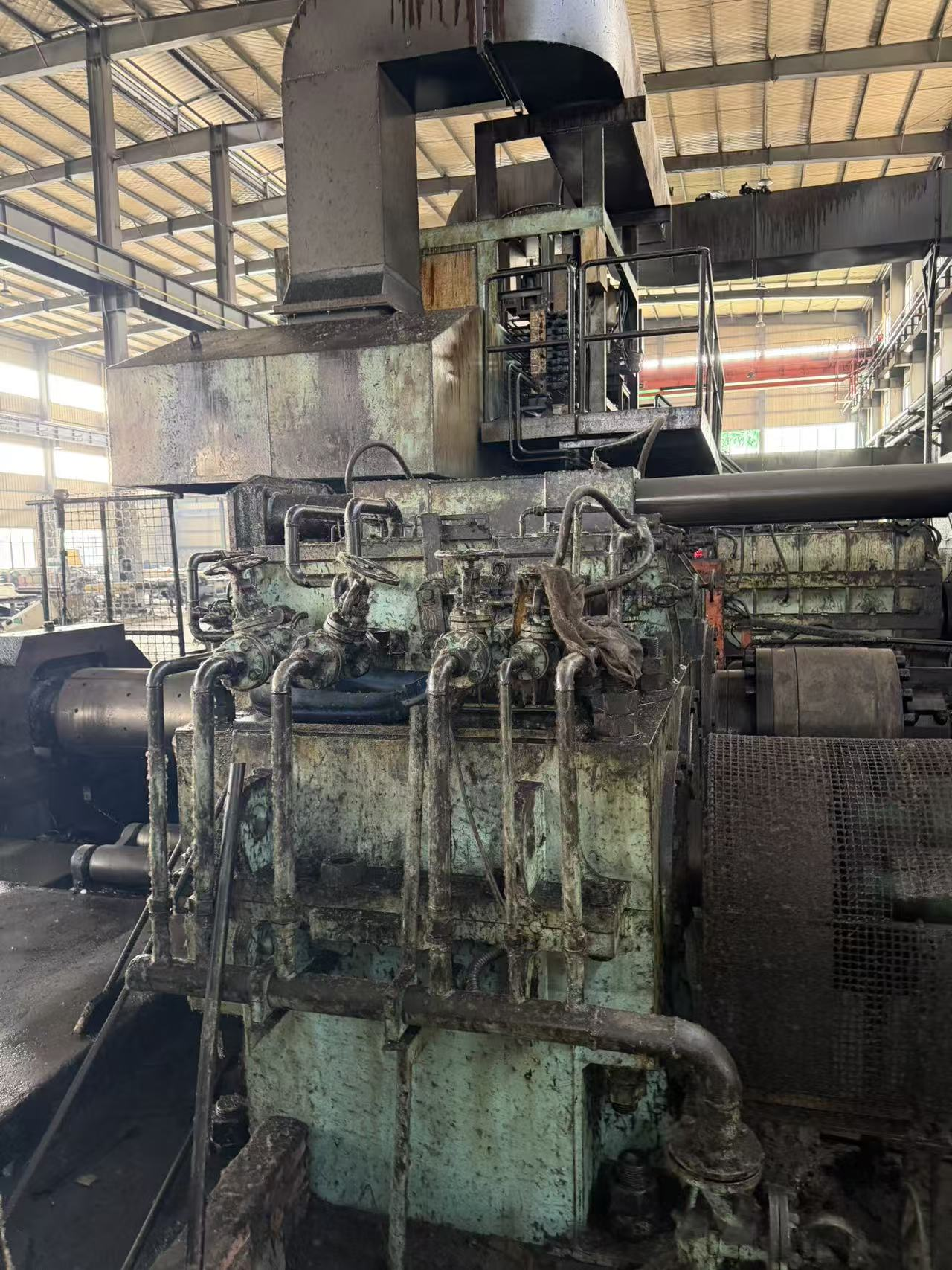
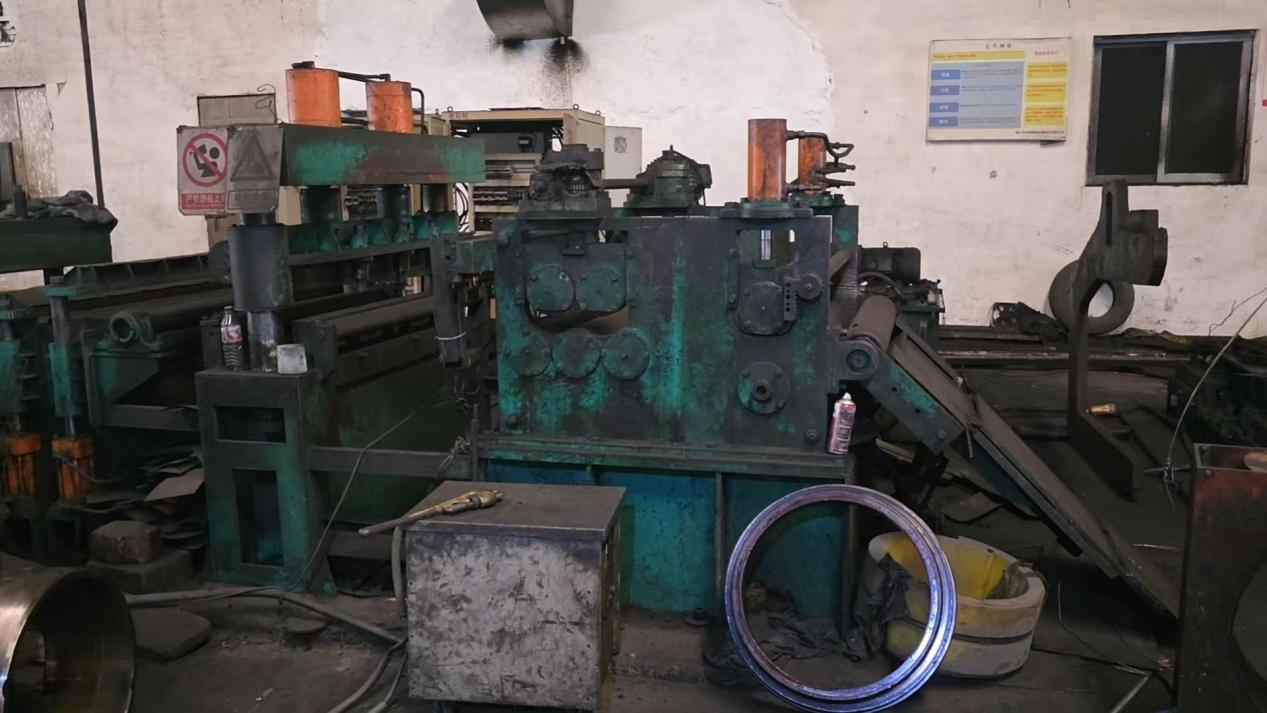
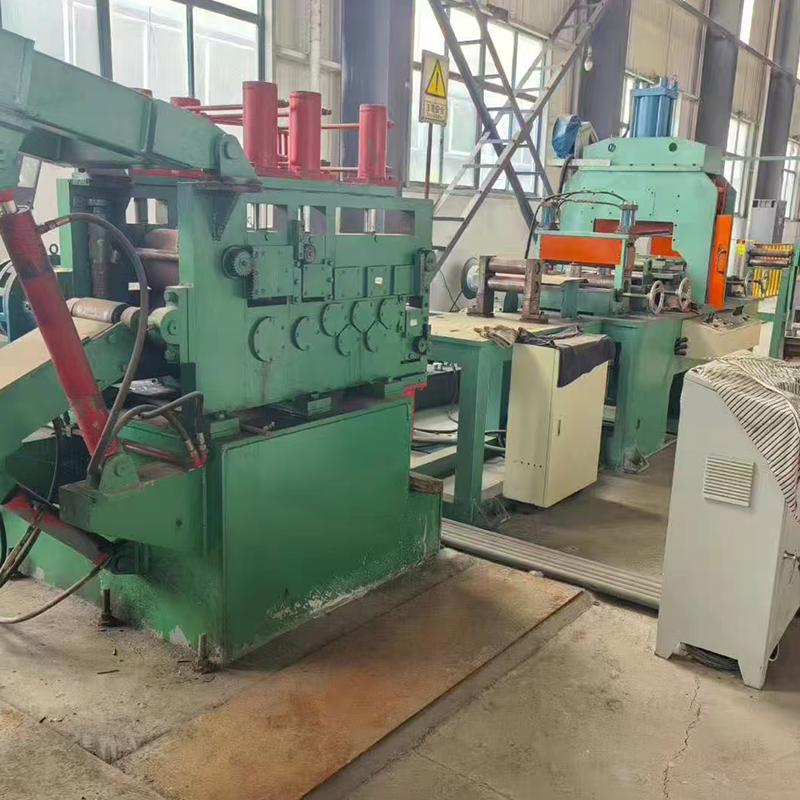
| 7 | Disassembly and Refurbishment Services Available | The supplier offers disassembly, refurbishment, and maintenance services (costs to be confirmed separately). Disassembly services include complete machine disassembly, component labeling, rust-preventive packaging, and loading for shipment. Refurbishment services include roll grinding, bearing inspection and replacement, seal replacement, hydraulic system cleaning, electrical system testing, and frame cleaning and painting. |
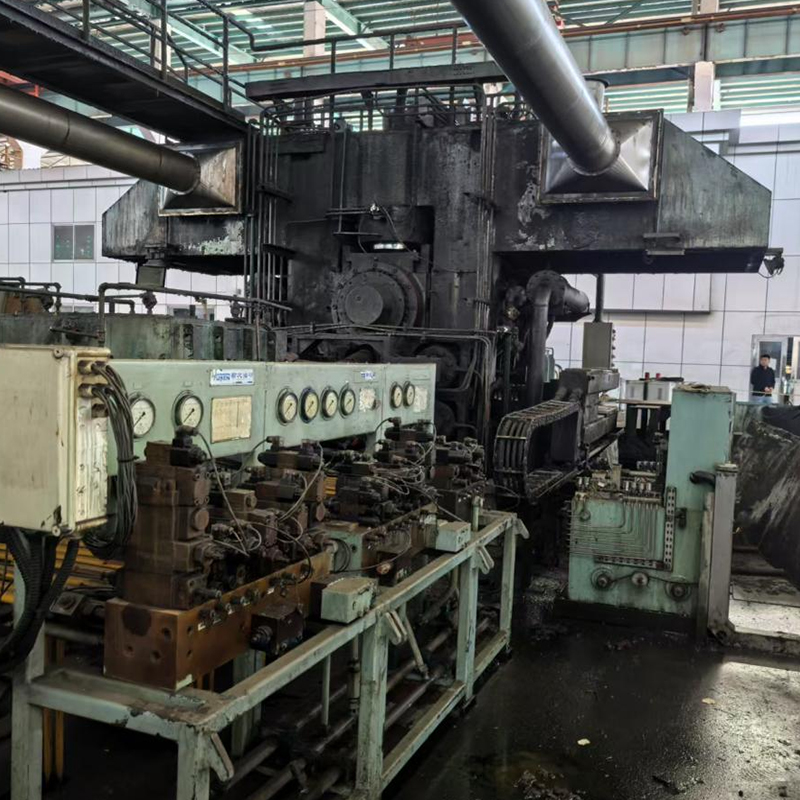
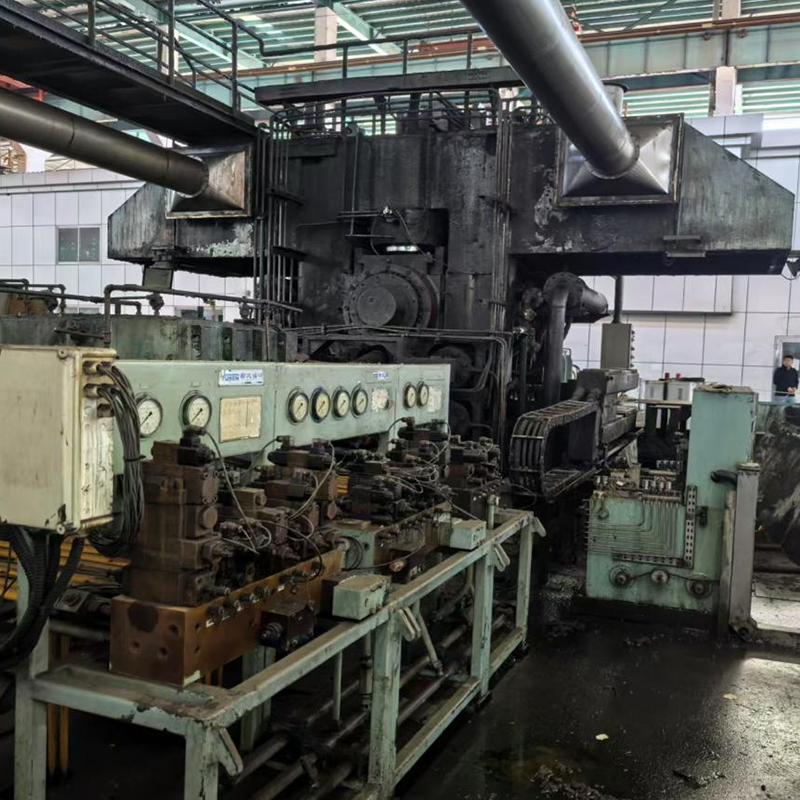
| 8 | Reliable Equipment Source with Clear History | The equipment was manufactured by Weisheng in 2010 and taken out of service in February 2026. The equipment has operated stably for over 15 years without any major failures. The reason for decommissioning is plant production line upgrades, not equipment failure, so the core components remain in good condition. |
| 9 | Complete Spare Parts List Included | A list of spare parts (excluding original factory parts) is provided, clearly specifying the types of spare parts available, including but not limited to spare working rollers, bearings, seals, hydraulic fittings, and electrical modules. A complete spare parts list facilitates daily maintenance and troubleshooting, reducing downtime caused by spare parts procurement lead times. |
| 10 | Performance Verified by Actual Rolling Data | The previous owner achieved a maximum input thickness of 2.5mm, a minimum finished thickness of 0.24mm, and an actual rolling speed of 200 m/min. The reduction ratio from input to finished thickness exceeds 10:1, indicating strong total reduction capacity. The rolling speed of 200 m/min is in the upper-medium range for similar 4-Hi 750mm cold rolling mills. |
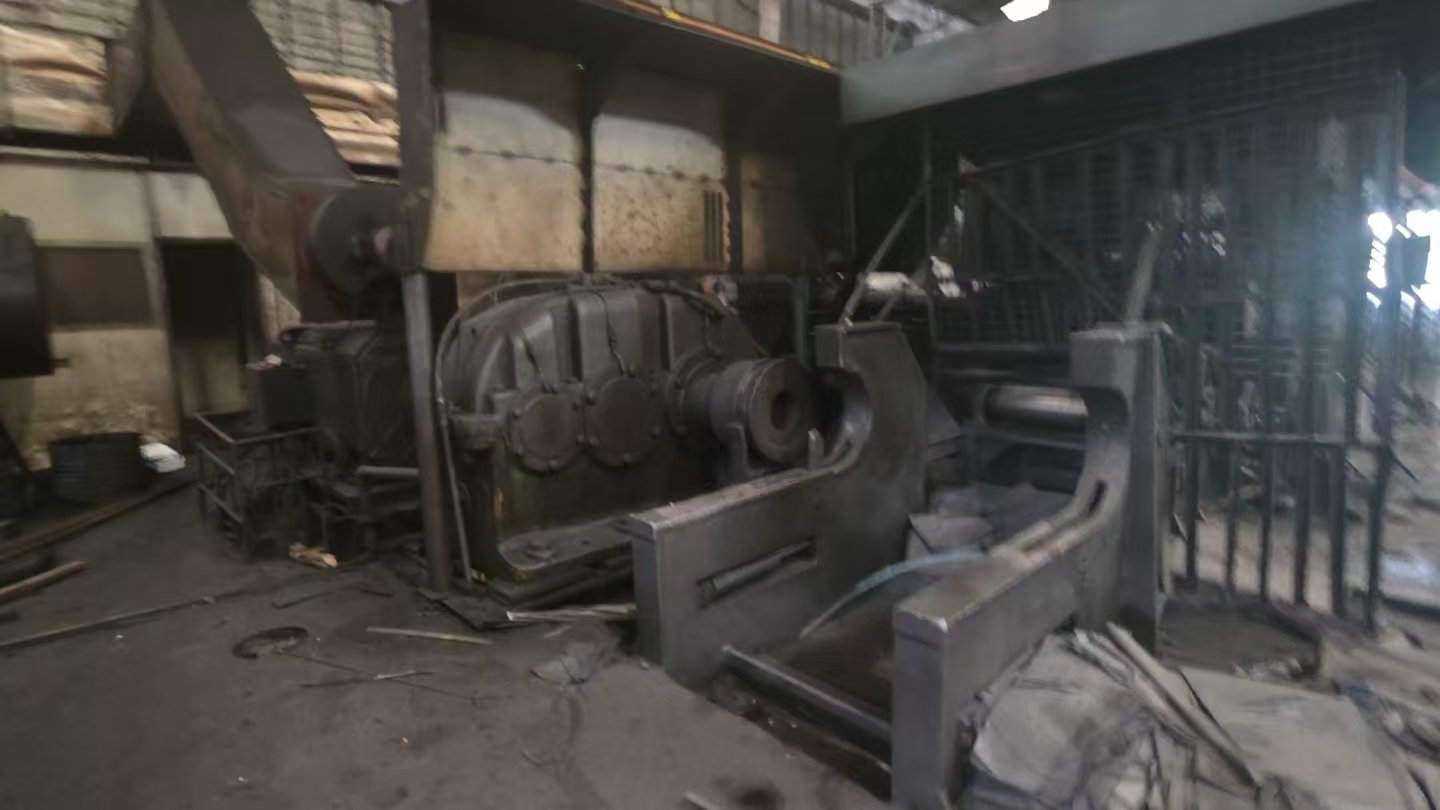
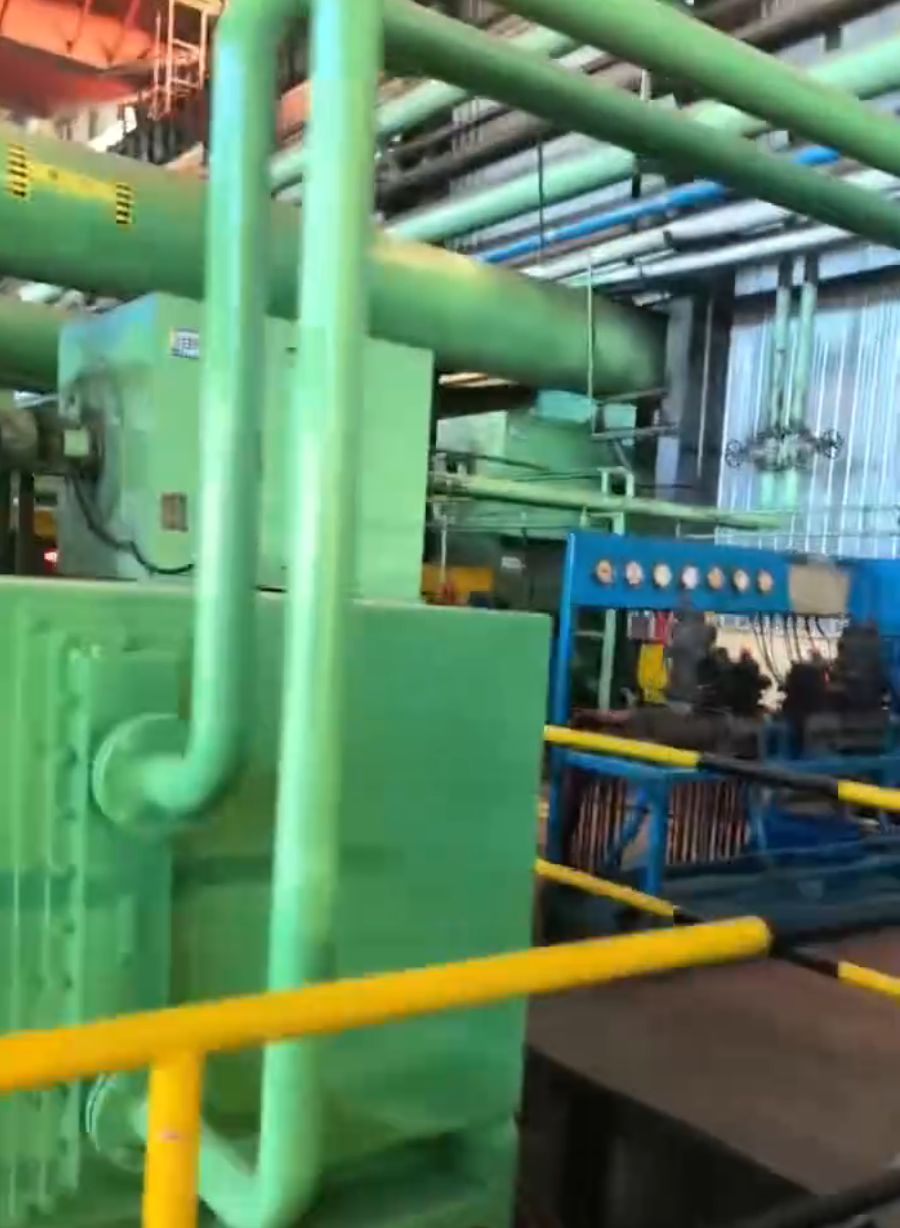
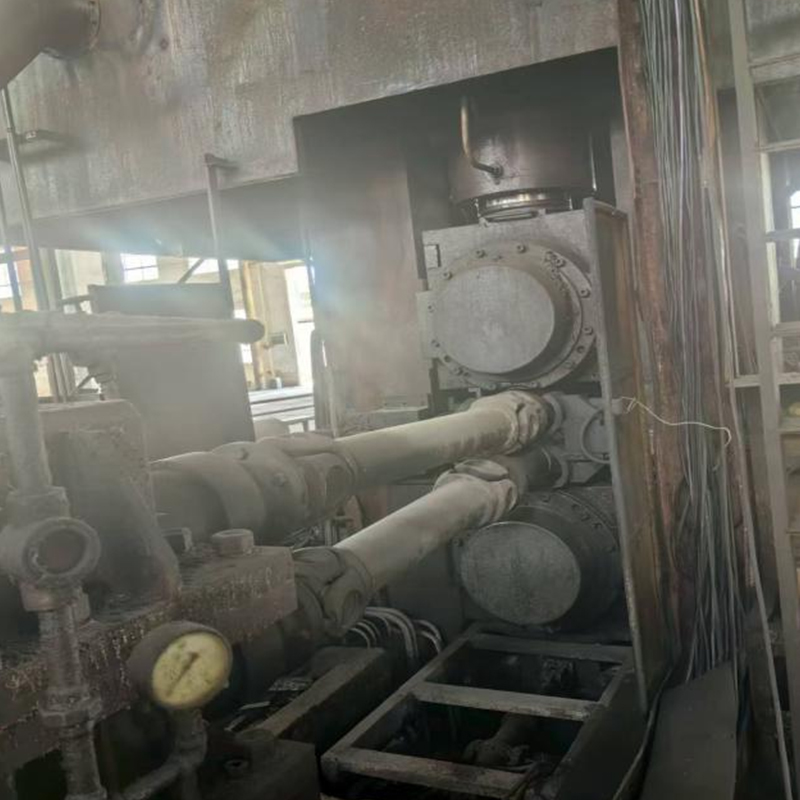
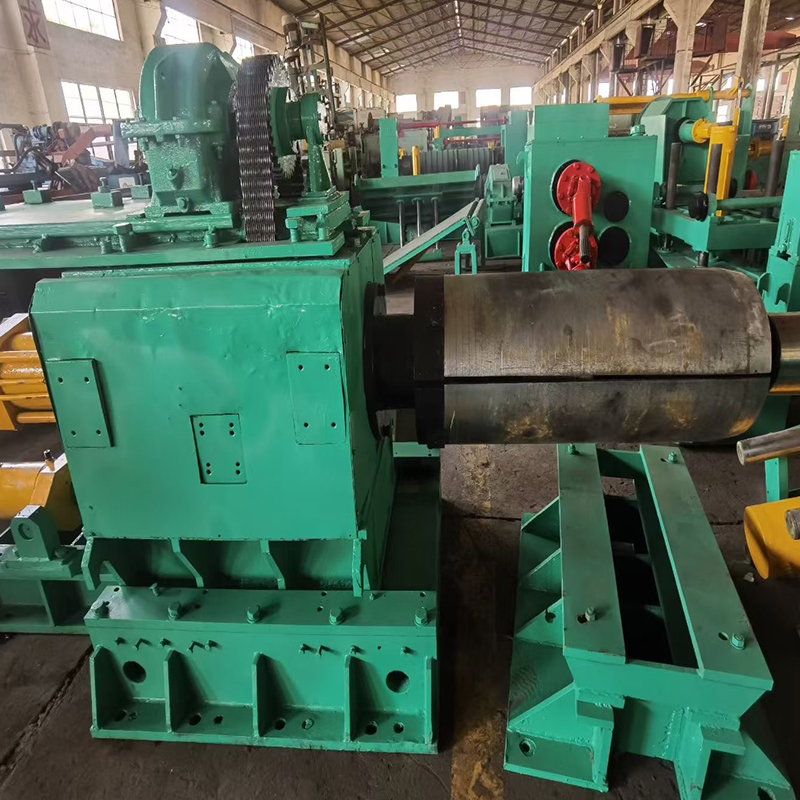
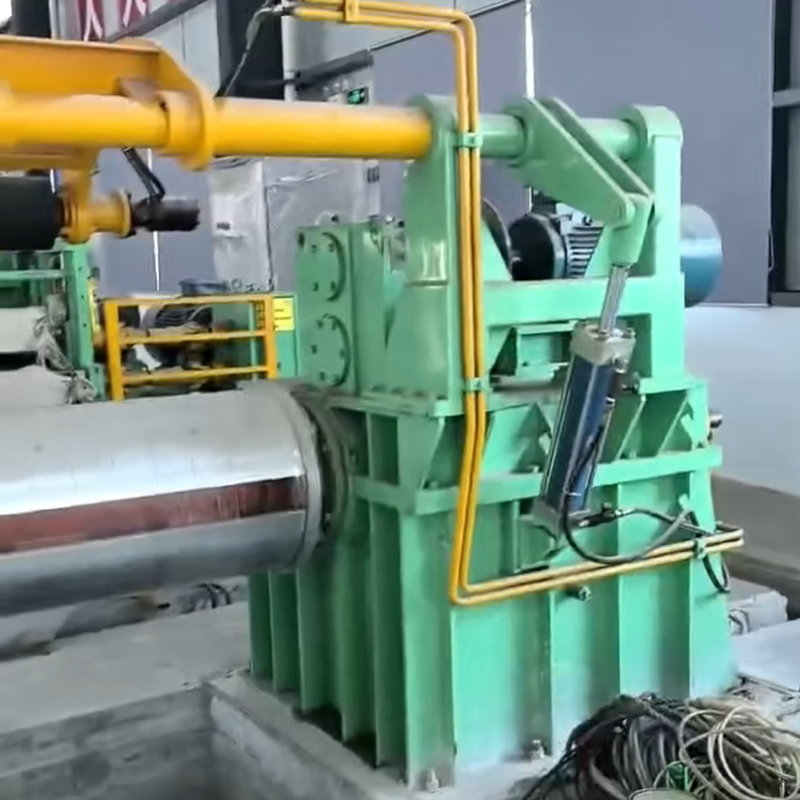
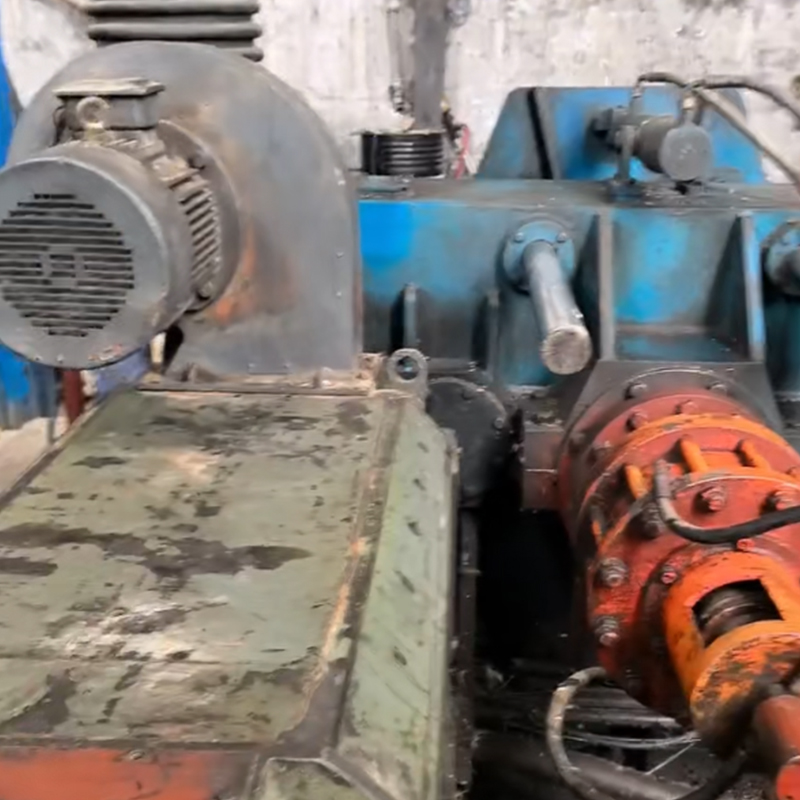
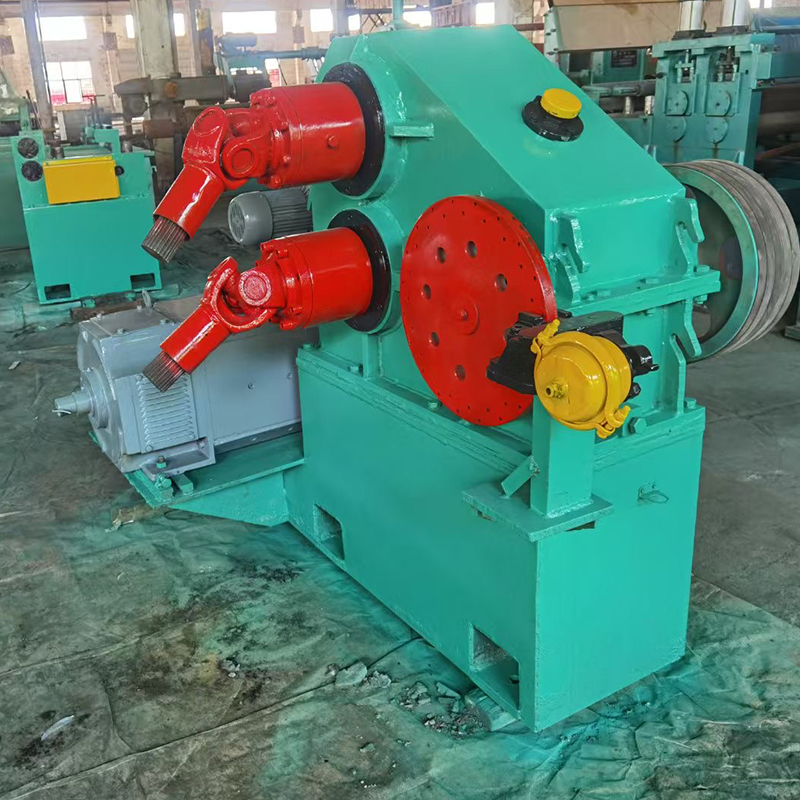
| 11 | Balanced Reducer Configuration | The left and right recoiler reducers are Model 630, and the main reducer is also Model 630. Consistent reducer specifications benefit tension control and drive system matching, reducing tension fluctuations caused by gear ratio differences. The reducers feature hardened gear surfaces for high load capacity and smooth transmission. |
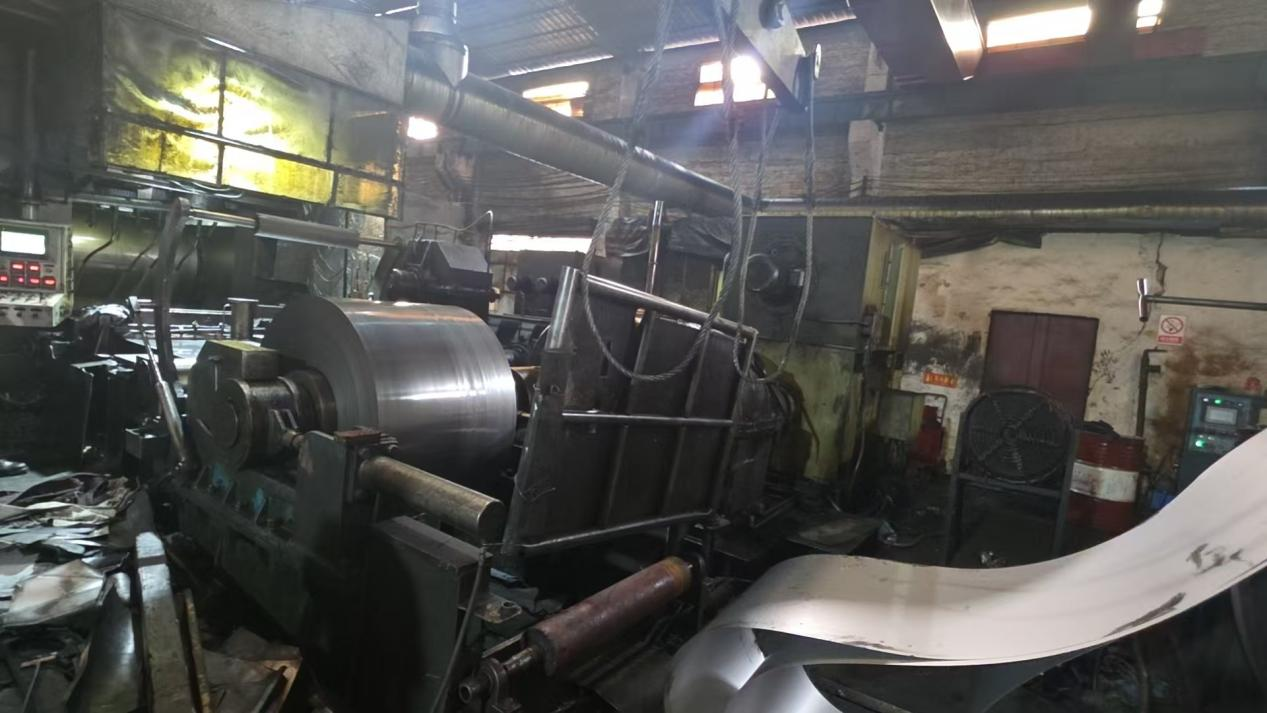
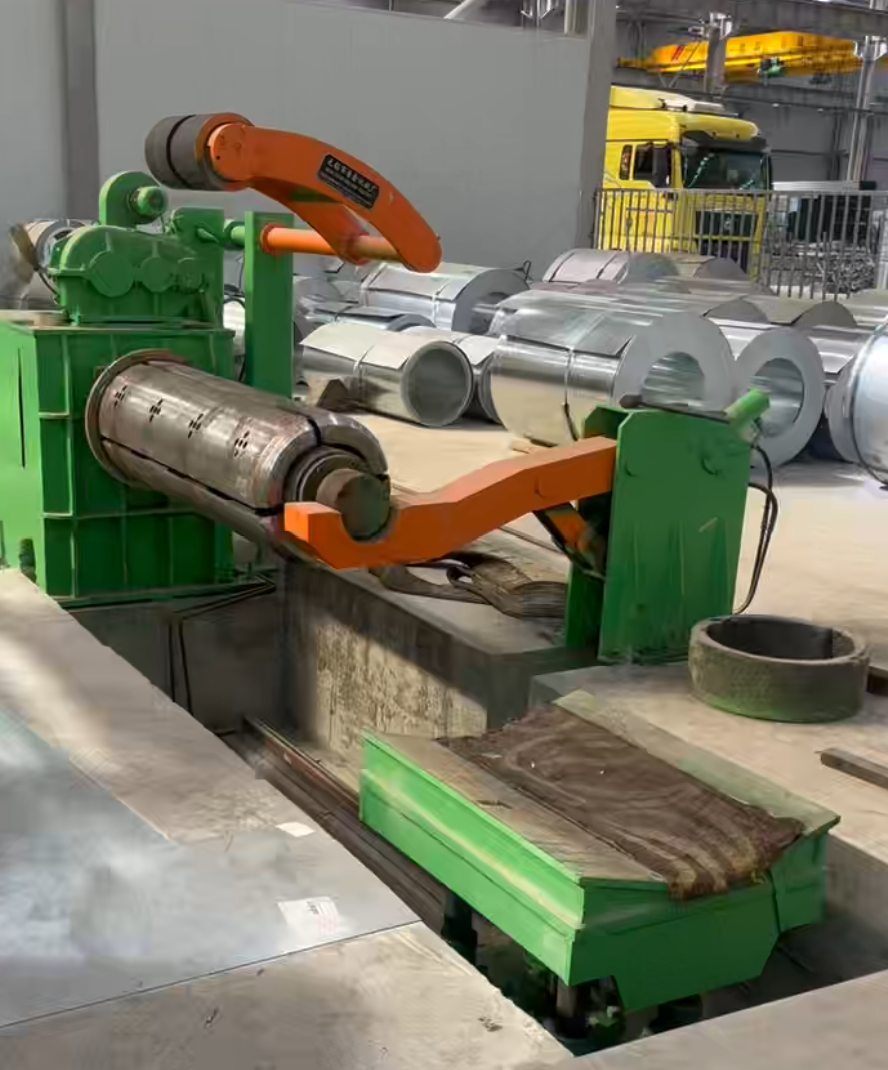
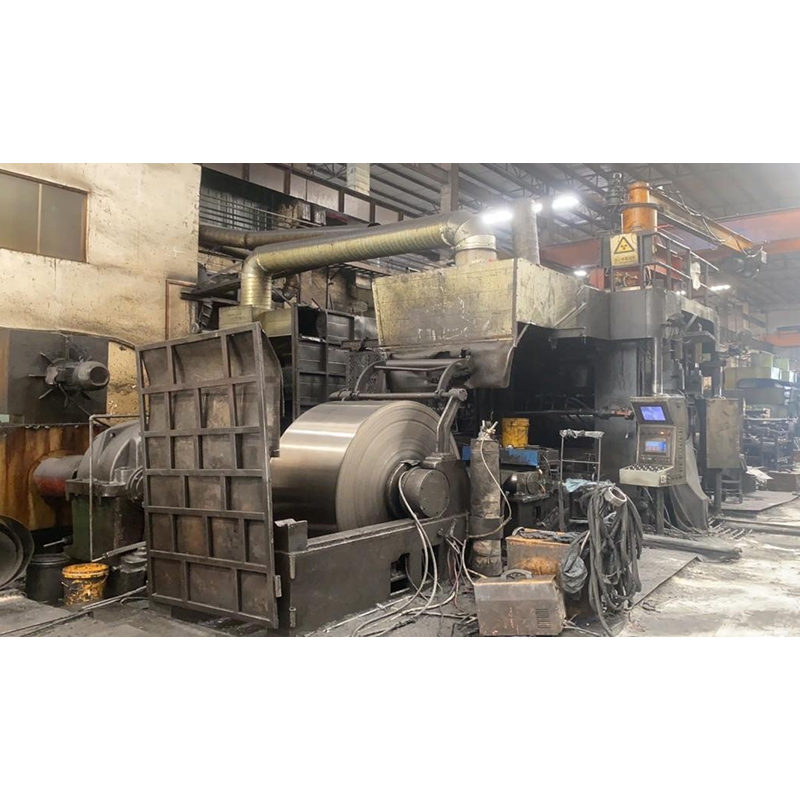
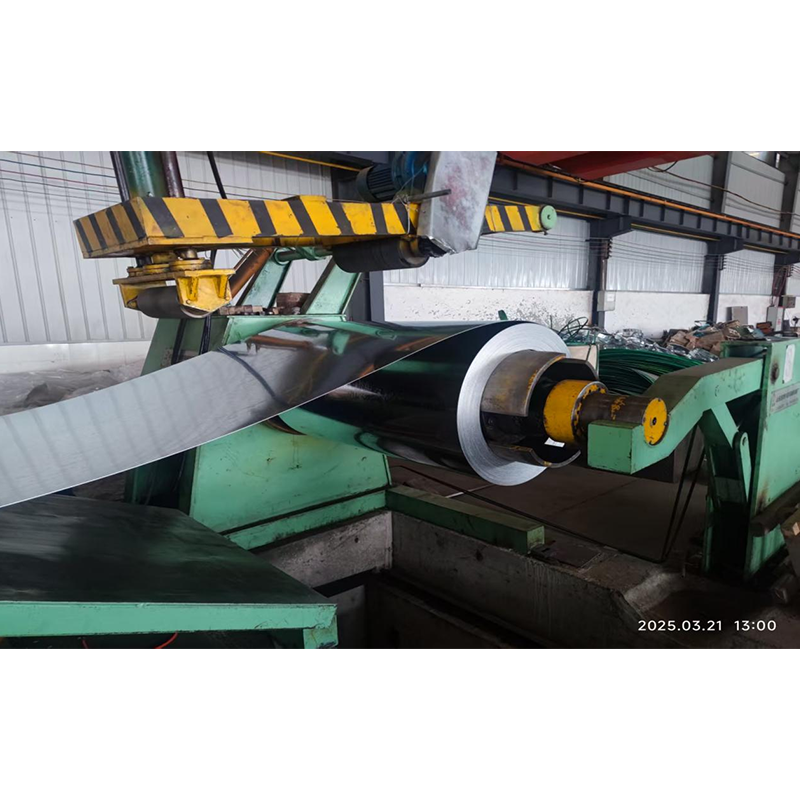
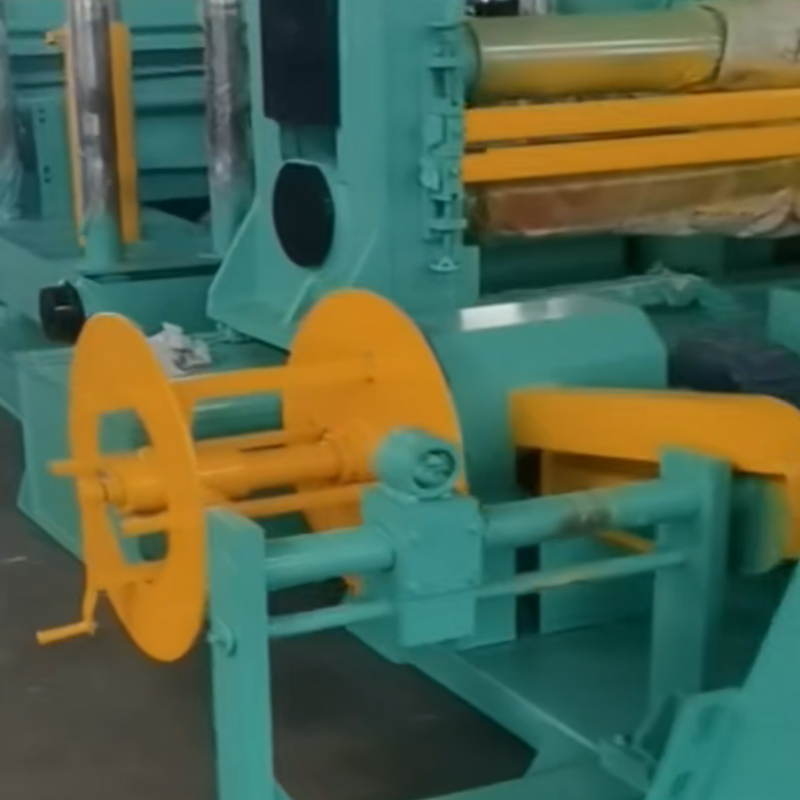
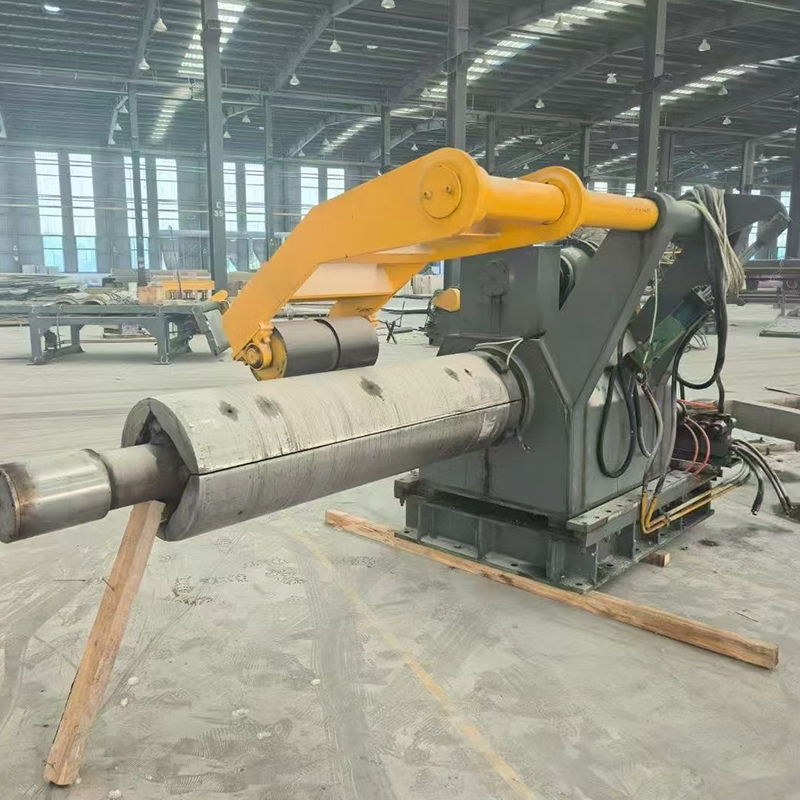
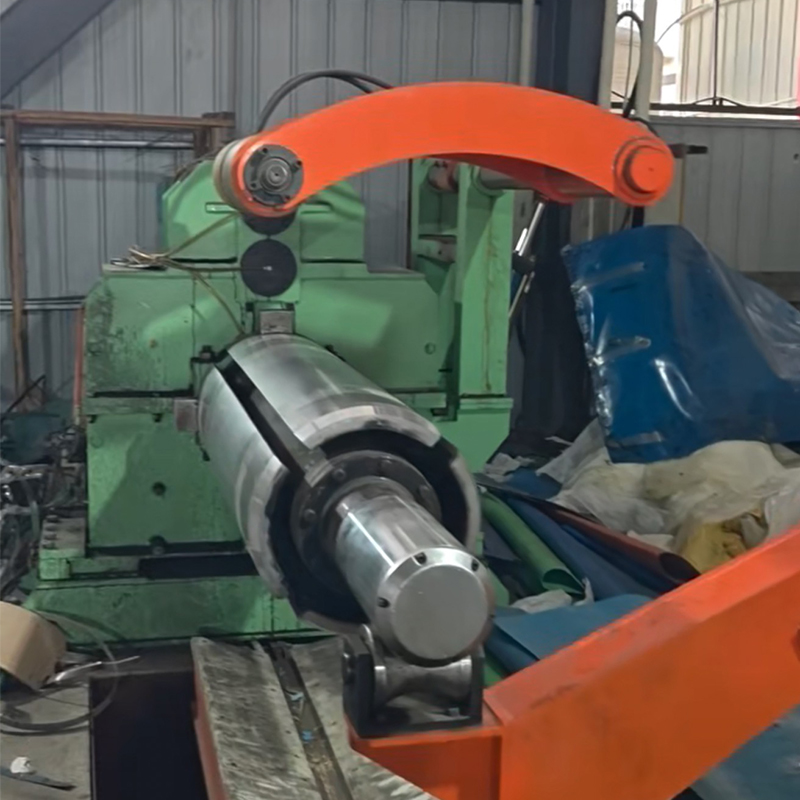
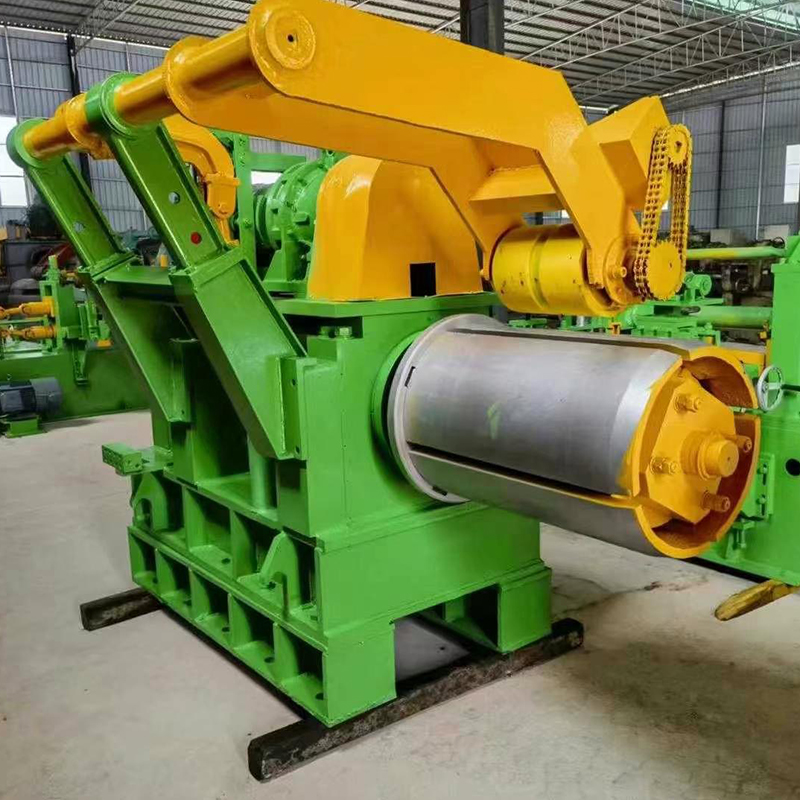
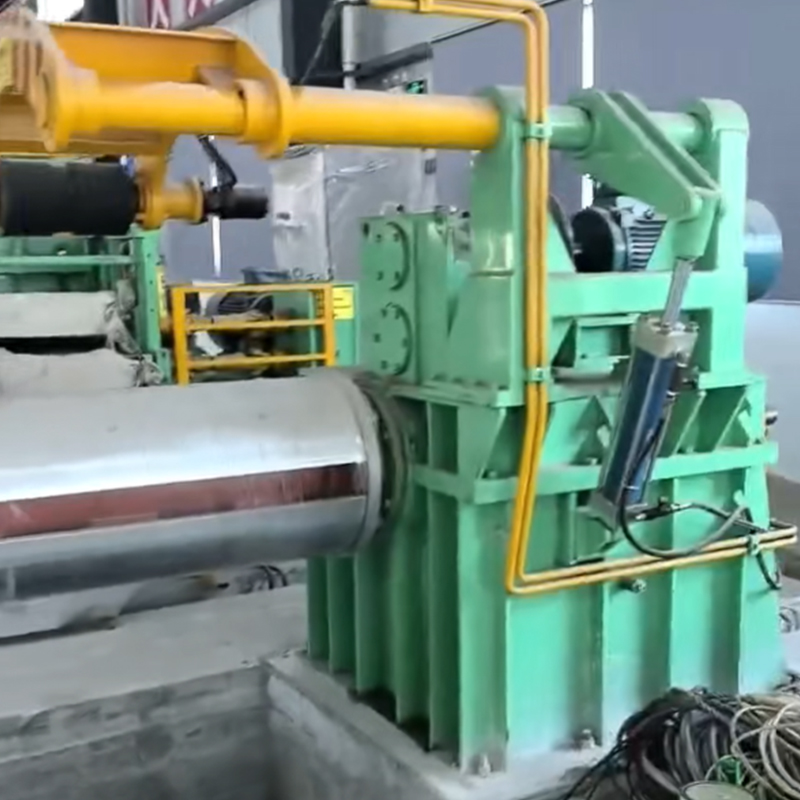
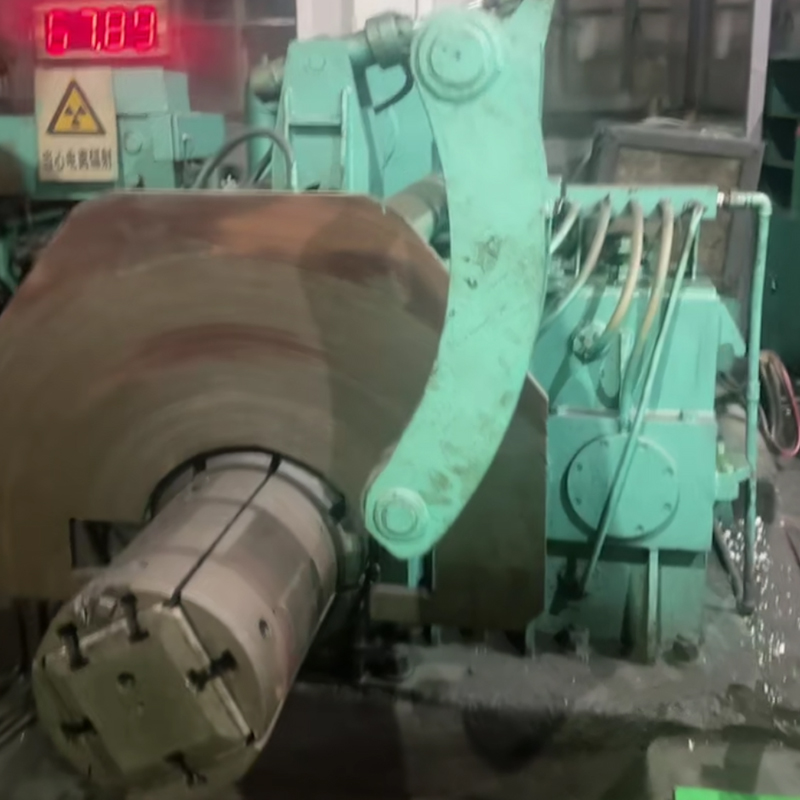
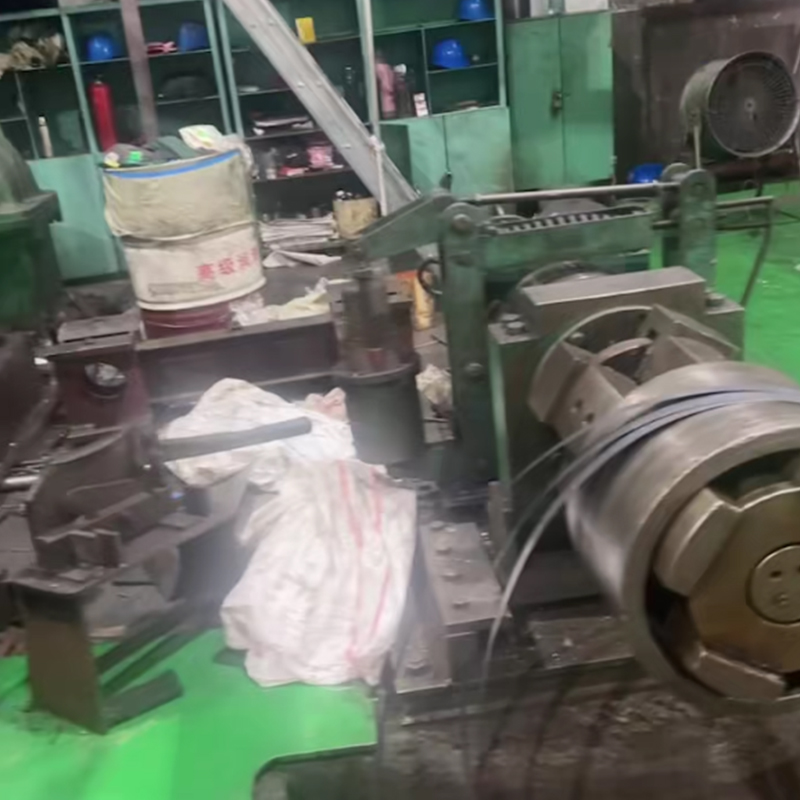
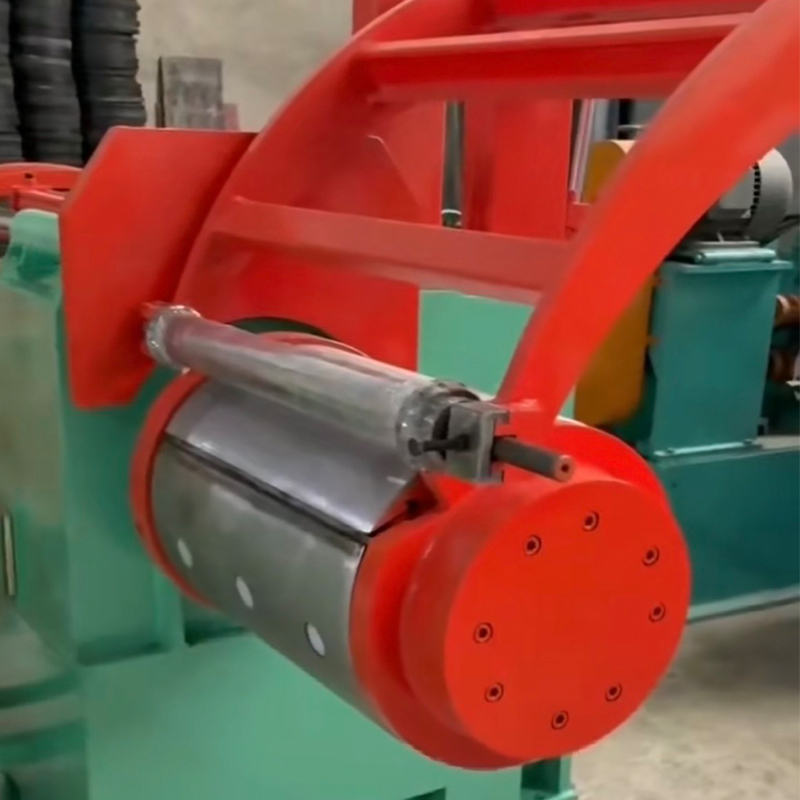
| 12 | Solid Drum Coiling Mechanism | The coiling method uses a solid drum, which is simple and durable. Compared to collapsible drums, the solid drum has a lower failure rate and lower maintenance costs. The solid drum offers good rigidity, resisting deformation during high-tension coiling, helping maintain neat coil shapes and reducing the risk of coil collapse and surface scratching. |
| 13 | Electric Screw-Down System | The equipment uses an electric screw-down system. The advantages of electric screw-down are: simple structure, direct response, low maintenance cost, and fewer failure points. For small to medium-scale cold rolling production lines, electric screw-down is sufficient for daily production needs without the complexity of hydraulic servo systems. |
| 14 | Targeted Material Design | The equipment is designed for rolling SUS 201 (austenitic stainless steel). SUS 201 is a common material in cold rolling, widely used in civilian and industrial fields such as kitchenware, decorative tubes, hardware stamping, and architectural decoration. The equipment has been optimized for the processing characteristics of this material. |
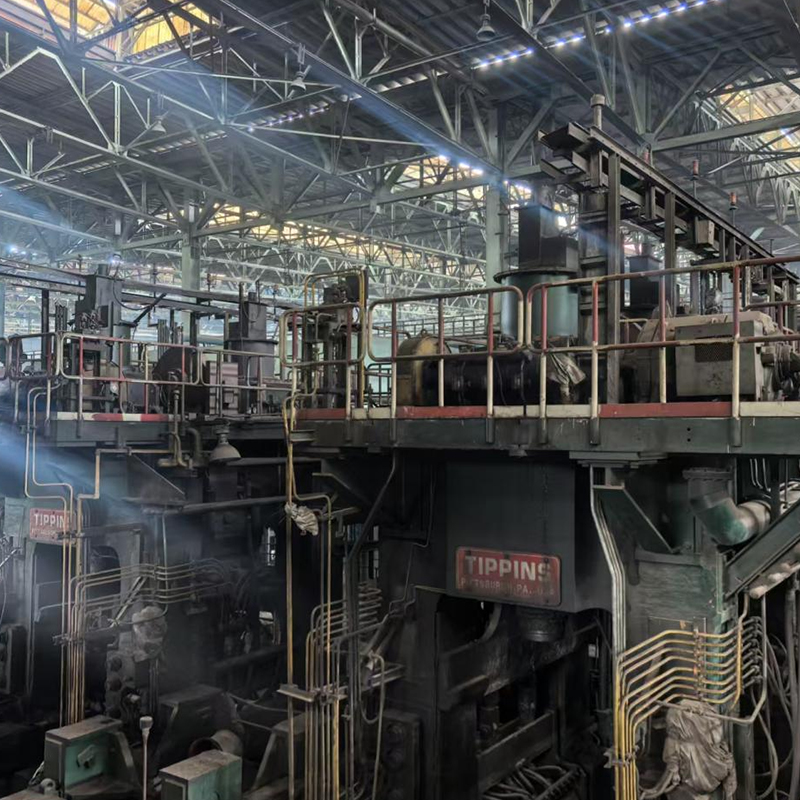
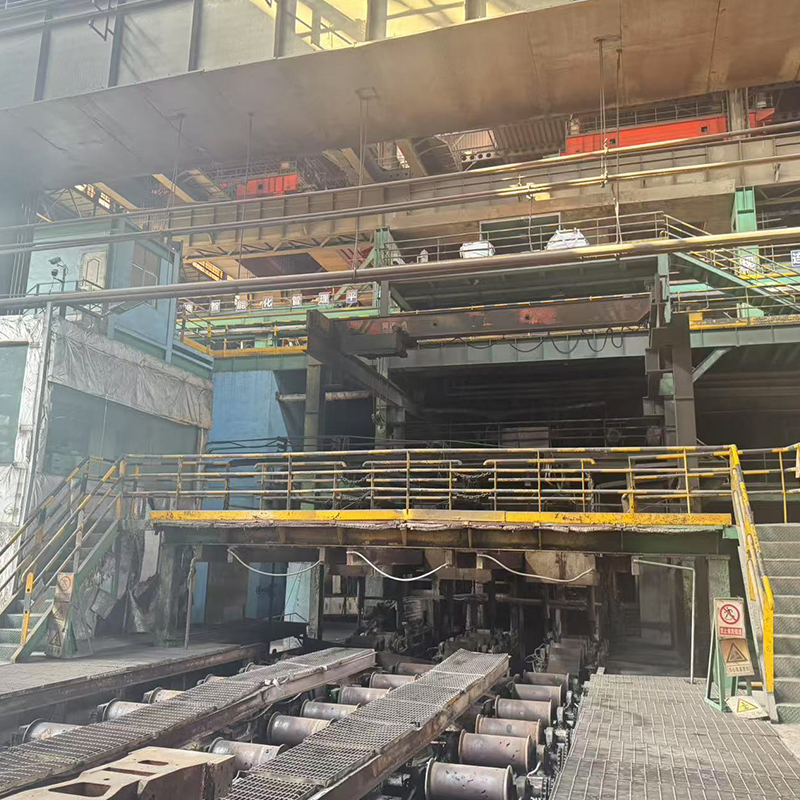
| 15 | Recent Decommissioning, Good Condition | The equipment was taken out of production in February 2026, less than 4 months ago. Short-term decommissioning means the equipment has not been exposed to humid or dusty environments for extended periods. Electrical components have not aged due to prolonged idleness, and mechanical components have not rusted or seized. |
| 16 | Well-Matched Working and Backup Roll Specifications | The ratio of working roller diameter (150mm) to backup roller diameter (620mm) is approximately 1:4.13, which is a reasonable range for 4-Hi cold rolling mills. This reasonable roll diameter ratio ensures sufficient working roller strength while maintaining elastic bending adjustment capability, with backup rollers providing overall rigidity. |