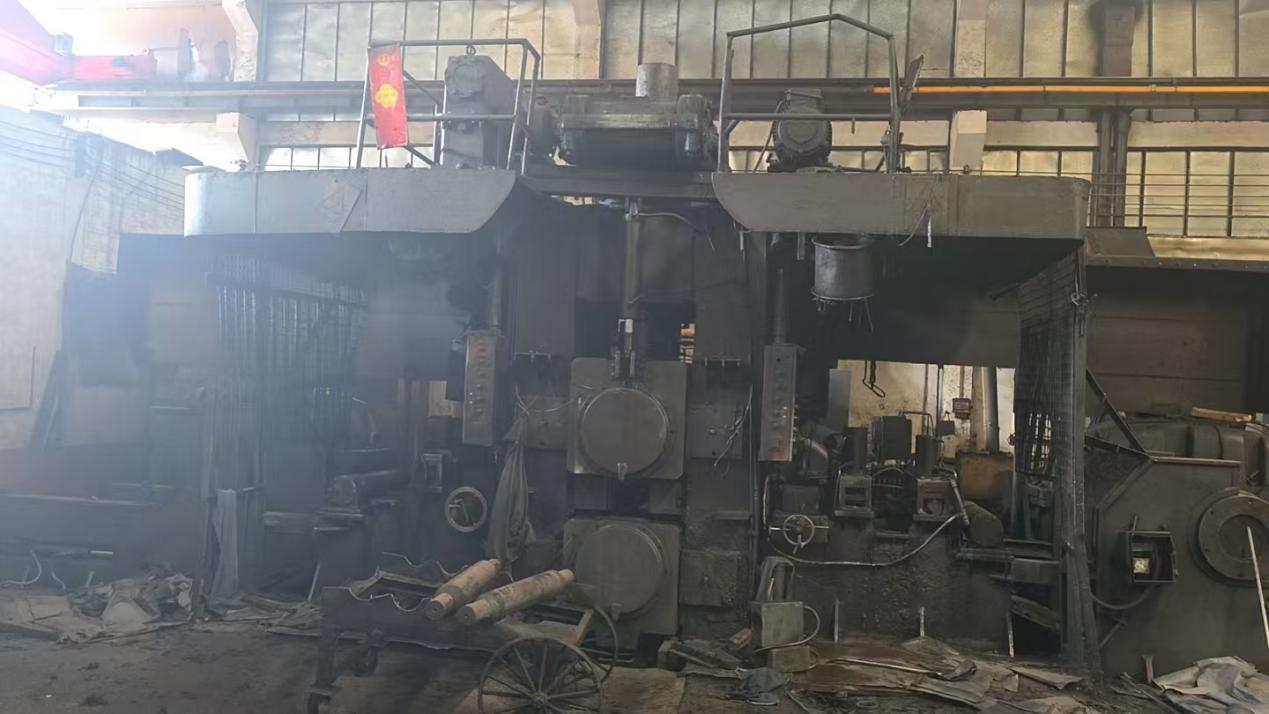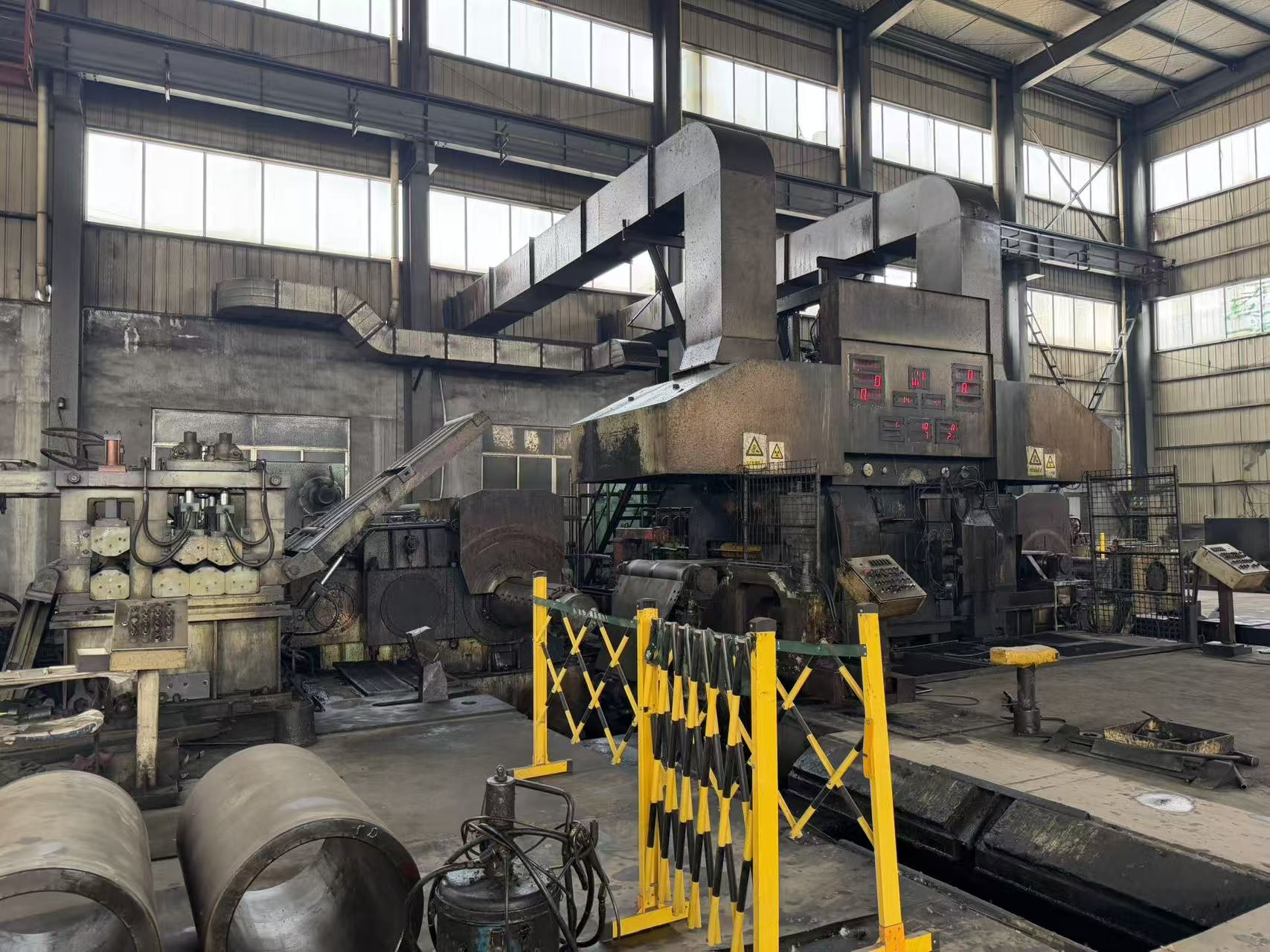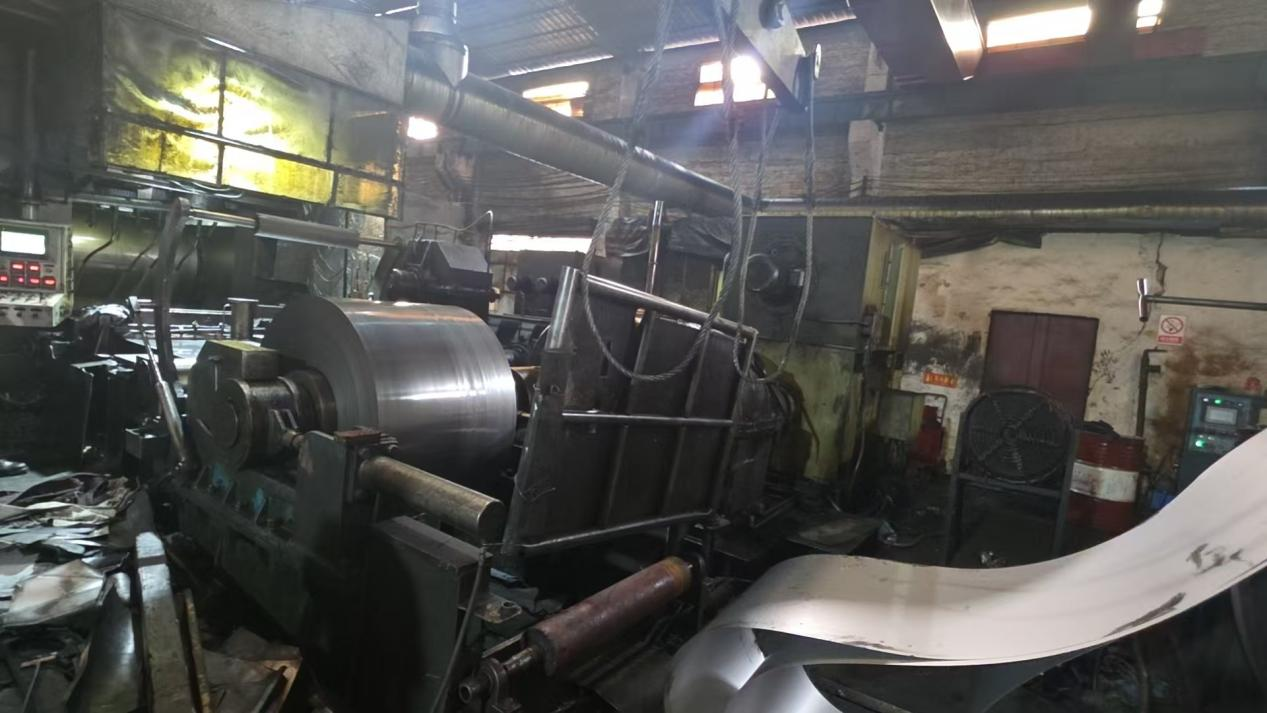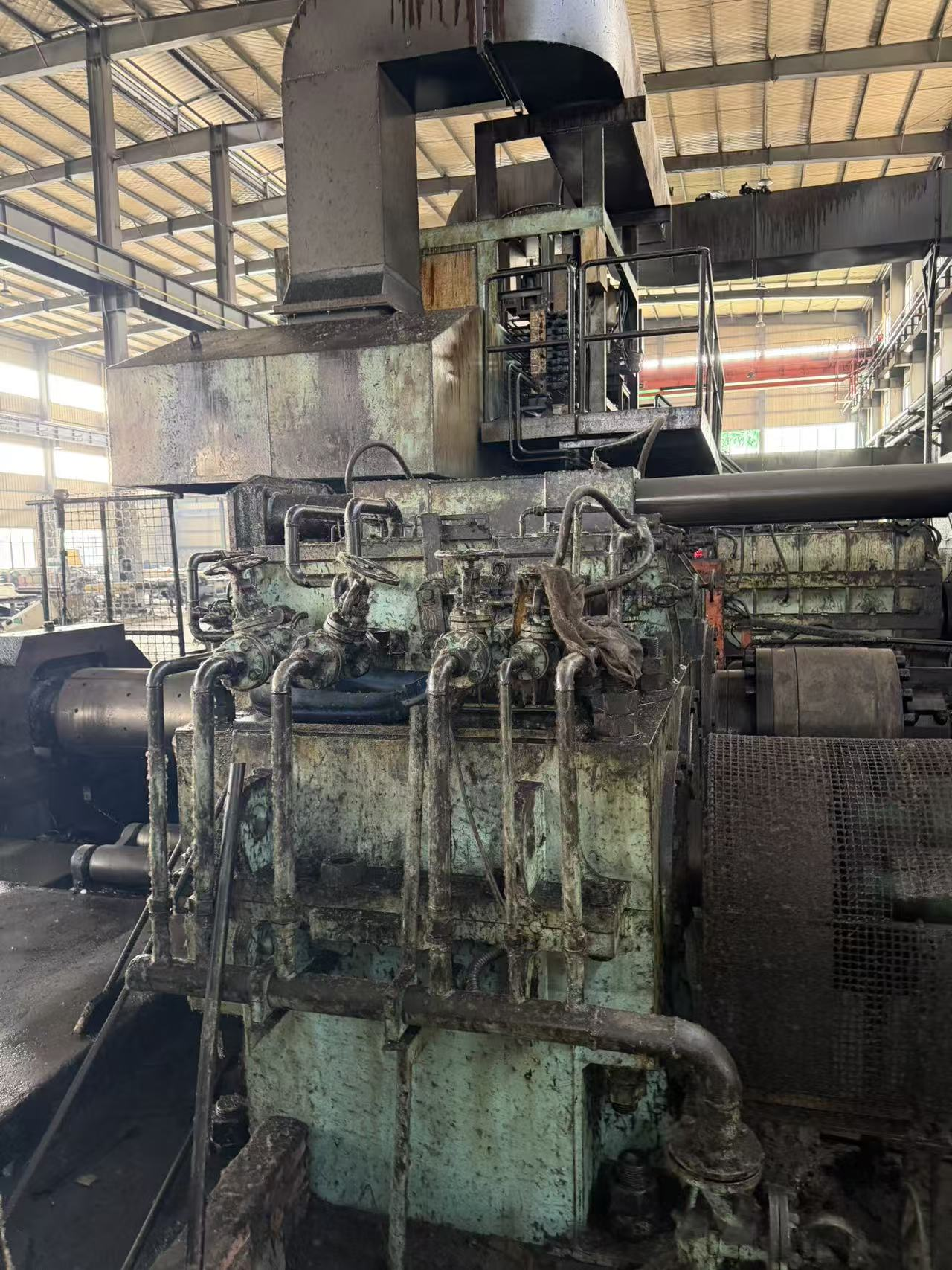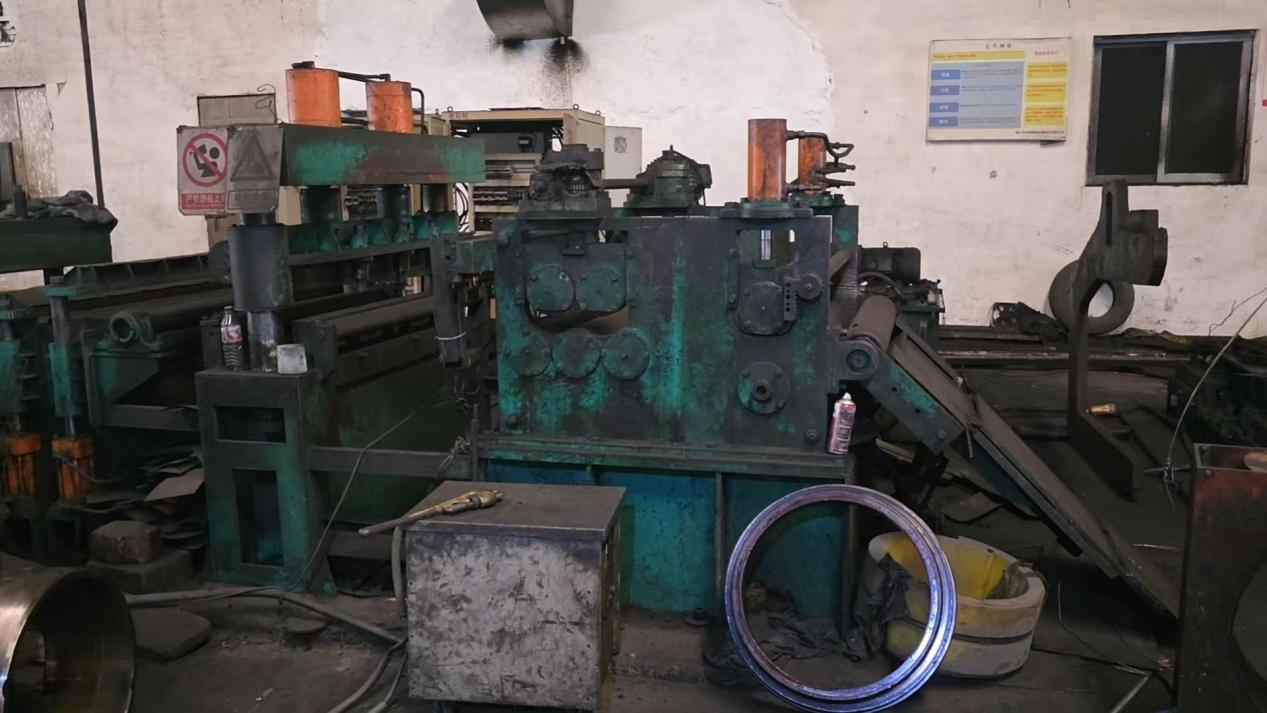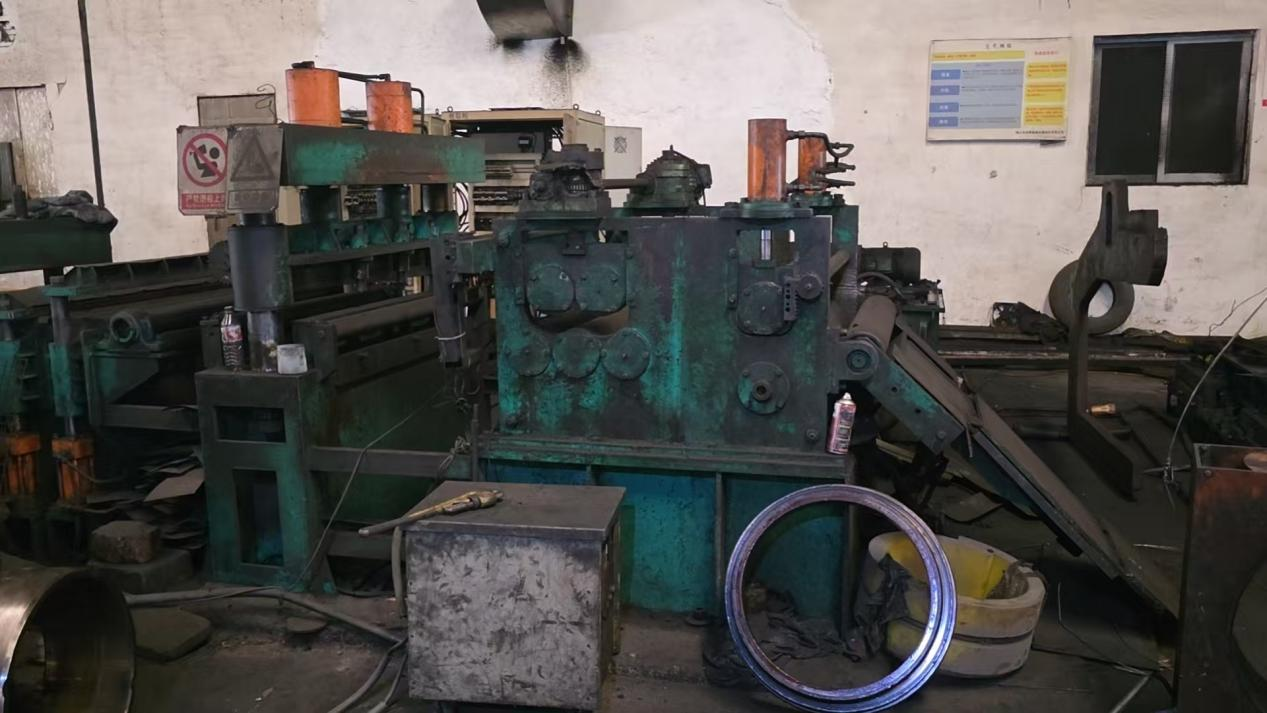
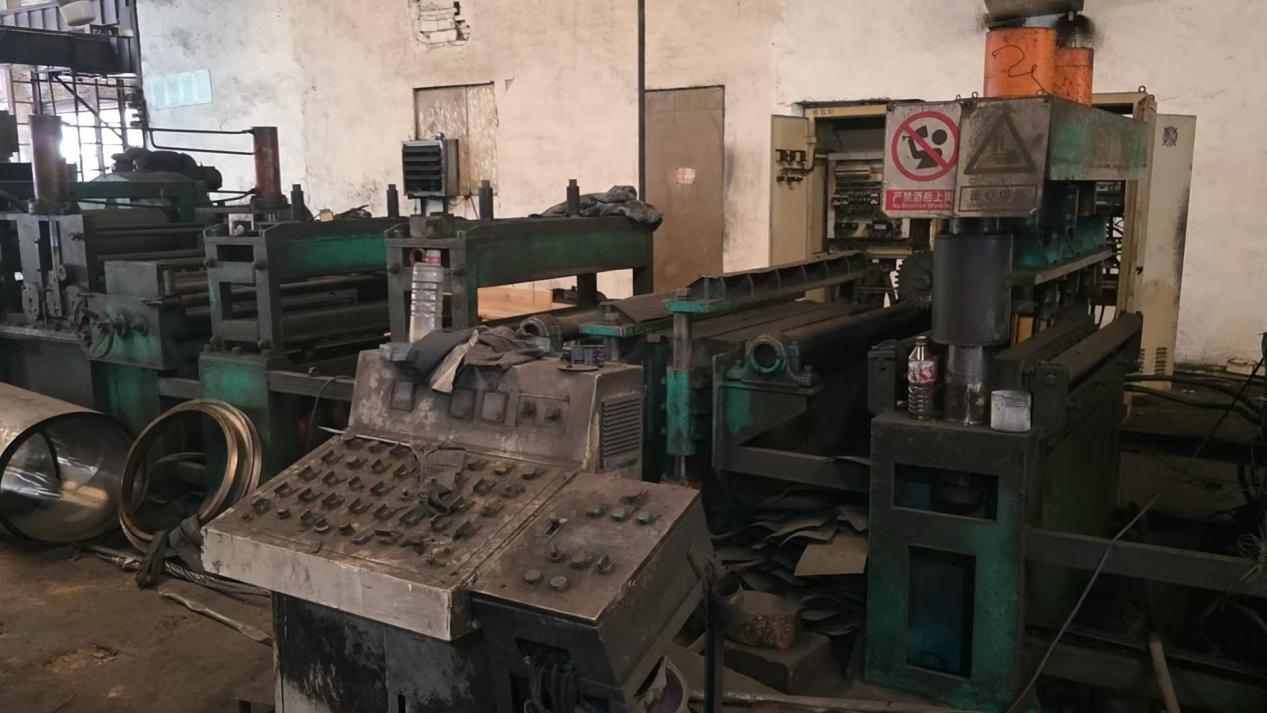
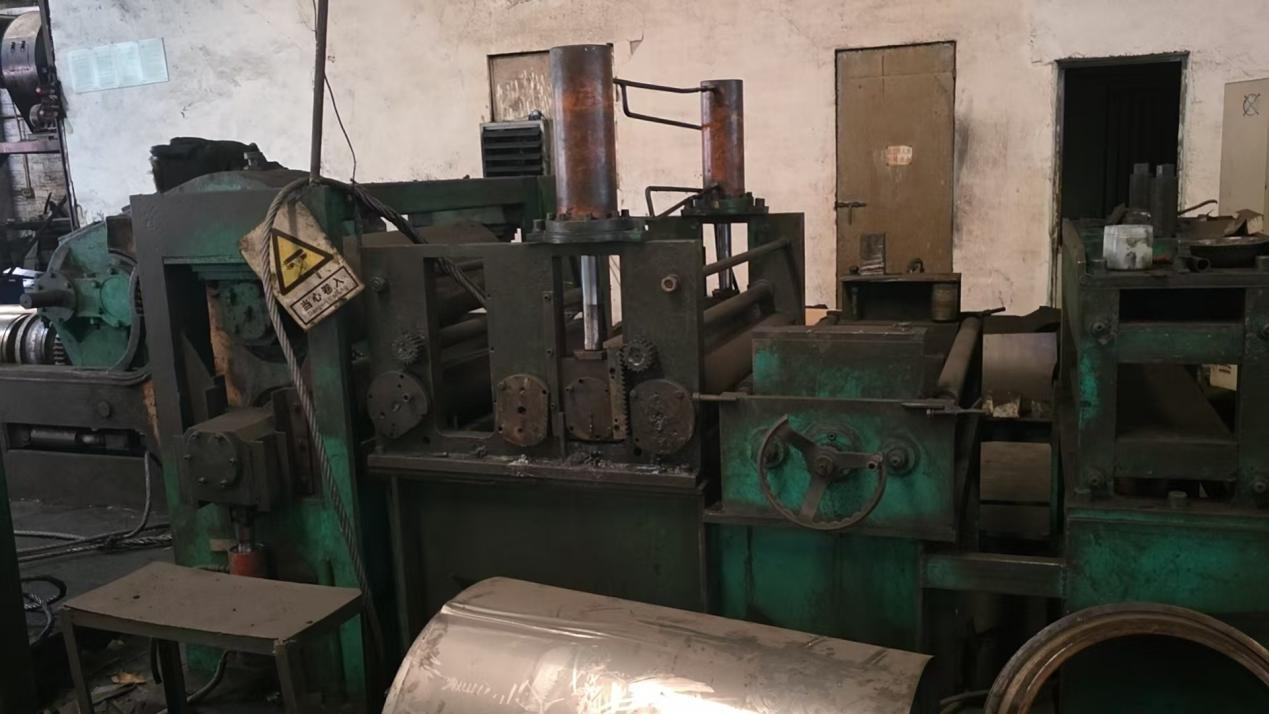
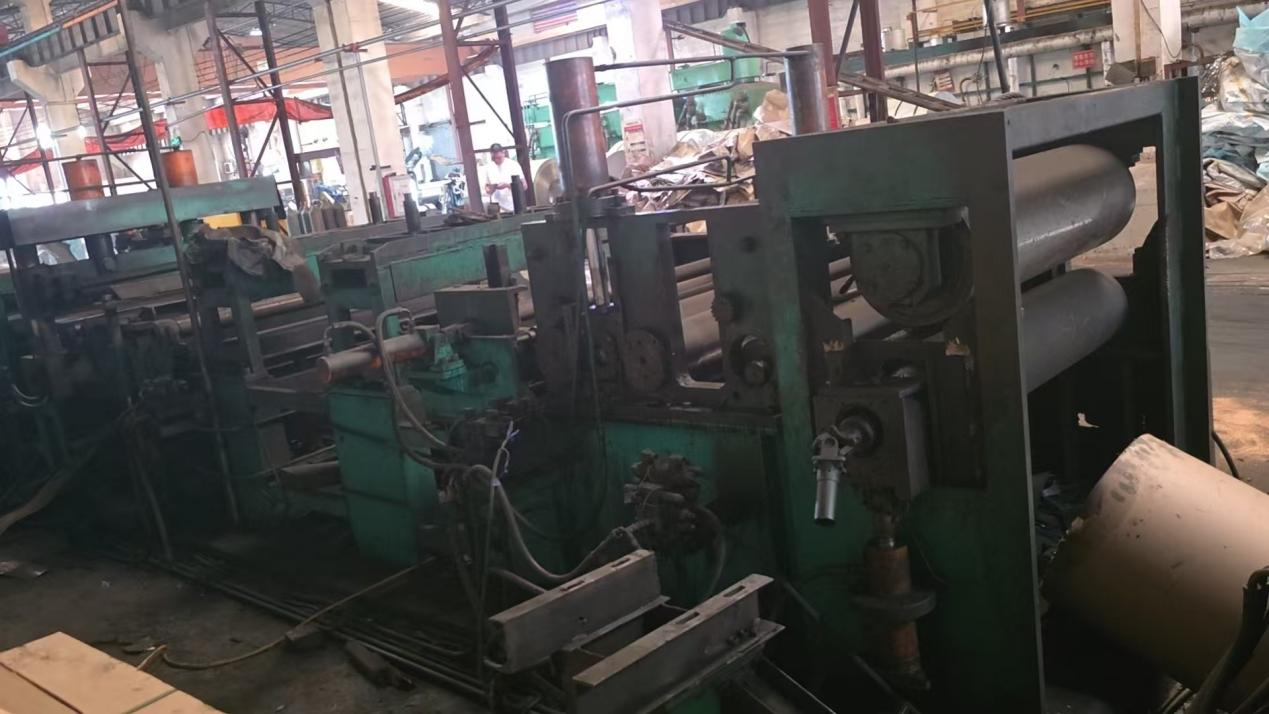
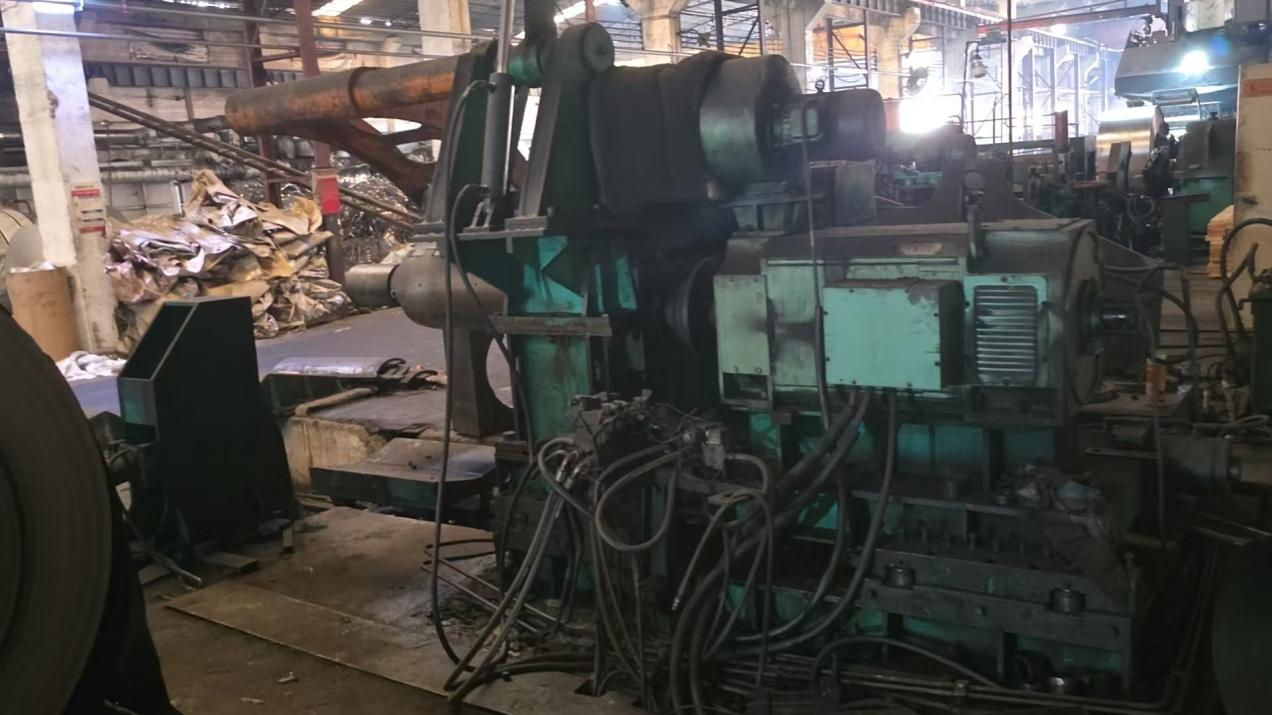
| Parameter | Value | Advantage Description |
|---|---|---|
| Average Annual Output | 4500 tons | Suitable for small-to-medium batch, multi-variety production; fast ROI |
| Commissioning Year | 2012 | Mature and stable equipment; high reliability; abundant maintenance experience |
| Shutdown Year | 2026 | Reasonable service life; sufficient remaining life; high cost-effectiveness |
| Max Coil Weight | 16 tons | Strong handling capacity; reduces coil change frequency; improves efficiency |
| Max Line Speed | 160 m/min | Moderate speed; beneficial for precision winding, surface inspection, and longevity |
| Recoiling Motor Power | 315 kW | Ample power for stable winding of heavy coils; tight and uniform coil shape |
| Uncoiling Motor Power | 110 kW | Precise tension control; prevents strip slack; reduces threading difficulty |
Value: Average annual output of 4500 tons
Detailed advantages:
Stainless steel precision strips (0.1–1.0 mm thickness)
Electrical steel (silicon steel) rewinding and inspection
High-strength steel small orders
This output level is ideal for small-to-medium scale production, especially for specialty steel and precision strip producers with annual output below 5000 tons.
Compared to large-scale rewinding lines (10,000–20,000 tons/year), 4500 tons means lower equipment investment and faster capital recovery.
Particularly suitable for multi-variety, small-batch production modes, such as:
Flexible production scheduling, short changeover time, reduced work-in-progress and finished goods inventory.
Based on 250 working days per year and single 8-hour shifts, daily output is approximately 18 tons, hourly output about 2.25 tons, matching the 160 m/min line speed.
Value: Commissioning year 2012
Detailed advantages:
2012 was a period of mature metallurgical equipment technology in China. This equipment uses mechanical structures and electrical control solutions that have been proven over the long term.
After 14 years of actual production, the reliability and durability of the equipment have been fully verified. Failure modes are well understood, and repair solutions are mature.
Compared to newly designed equipment, there is no “technical磨合期” (break-in period). Users can start production quickly after acquisition.
Abundant spare parts and technical service resources are available in the market, reducing maintenance difficulty and cost.
While the electrical control system is not as advanced as the latest generation, it is stable, easy to maintain, and can be upgraded locally.
Value: Shutdown year 2026
Detailed advantages:
The equipment was just shut down in 2026, making it a recently decommissioned used asset, not long-idle equipment.
Although the service life is 14 years (from 2012 to 2026), actual operating hours are not continuous full-load, leaving considerable remaining life.
For rewinding lines, major wear components (motor bearings, collapsible drum, transmission gears, slitter blades) can all be refurbished to near-new condition.
After refurbishment, the equipment can operate stably for another 10–15 years, offering far better value than new equipment (new equipment typically costs 3–5 times more than refurbished used equipment).
Value: Maximum coil weight of 16 tons
Detailed advantages:
Fewer coil changes: Reduces 2–3 coil change operations per shift. Saving 10–15 minutes per change adds 1–2 hours of effective production time per day.
Higher yield: Reduces head and tail trimming losses. Each coil change wastes approximately 1–2 meters of strip. Fewer changes mean less material loss.
Lower labor intensity: Reduces crane operations and threading tasks, improving operational safety.
16 tons is in the upper-medium range for a 950mm wide rewinding line, indicating strong processing capability.
Larger coil weight brings direct benefits:
16-ton coils match common cold rolling mill output coils (e.g., 10–15 ton coils from a 1150mm cold mill), allowing direct processing without re-splitting.
Typical coil dimensions: outer diameter Φ1400–Φ1800 mm, inner diameter Φ508 mm or Φ610 mm, both industry standard sizes.
Value: Maximum line speed of 160 m/min
Detailed advantages:
Lower speed means slower wear on transmission systems, bearings, drums, and other moving parts, extending equipment life.
Compared to high-speed rewinding lines (300–500 m/min), maintenance frequency and spare parts replacement cycles are significantly longer.
At 160 m/min, operators or online inspection systems can clearly observe surface defects on both sides of the strip (holes, scratches, rust, edge cracks, etc.).
For manual inspection, this speed does not cause visual fatigue or missed detections.
Lower speed reduces interlayer friction during winding, minimizing risks of slippage, scratching, and indentation.
Particularly suitable for materials with extremely high surface quality requirements, such as:
Stainless steel BA finish (mirror-like)
Electrical steel (silicon steel) with coated surfaces
Galvanized sheets (preventing coating damage)
160 m/min falls into the low-to-medium speed range, a deliberate trade-off between production efficiency and product quality.
Precision winding advantages:
Online inspection advantages:
Longevity advantages:
If higher speed is desired, motor frequency conversion upgrades are possible. However, 160 m/min already meets the vast majority of rewinding process requirements.
Value: Recoiling motor 315 kW
Detailed advantages:
Wide speed range (up to 1:10 or more)
Fast dynamic response with minimal tension fluctuation
High overload capacity (up to 1.5x rated power for short periods)
Stable winding of 16-ton coils: Even at maximum coil weight and maximum speed, the motor will not overload, ensuring continuous production.
Sufficient winding tension: Winding tension is critical for coil shape quality. A 315 kW motor can provide up to tens of kN of tension, ensuring:
Adaptability to different materials: Higher-strength materials (high-strength steel, stainless steel) require higher winding tension, which the 315 kW motor can easily provide.
Wide thickness range: From 0.1 mm thin strips to 2.0 mm thick strips, the 315 kW motor can deliver appropriate tension output.
Tight coil shape without loosening
Neat layers without misalignment
Flat end faces for easy packaging and transport
315 kW is a larger-than-average configuration for a 950mm rewinding line, providing generous power margin.
Benefits of high power:
Motor type is typically DC or AC variable frequency, offering:
Value: Uncoiling motor 110 kW
Detailed advantages:
Under certain conditions, the uncoiling motor can operate as a generator, converting mechanical energy from unwinding into electrical energy fed back to the grid (requires regenerative unit), reducing overall line energy consumption.
Sufficiently high back tension makes threading smoother, reducing operational difficulty.
For thin strips (0.1–0.3 mm), precise back tension control effectively prevents strip breakage.
Provides stable back tension to prevent strip slack, misalignment, or folding during operation.
When combined with a braking system or regenerative unit, enables constant tension control, maintaining stable tension regardless of coil diameter changes.
Benefits of constant tension control:
Avoids uneven strip stretching
Reduces thickness variation
Improves winding quality
The 110 kW uncoiling motor, paired with the 315 kW recoiling motor, provides a reasonable power match (power ratio approximately 2.86:1), consistent with typical rewinding line design.
Tension control advantages:
Operational convenience advantages:
Energy-saving advantages:
Detailed advantages:
Based on annual processing revenue: 4500 tons × RMB 500/ton processing fee = RMB 2.25 million/year.
After deducting labor, power, and maintenance costs, annual net profit is approximately RMB 1.5 million.
Total investment for used equipment + refurbishment is approximately RMB 1.0–1.5 million, achieving ROI in about 1 year.
Major components (motors, drums, bearings, electricals) can be restored to 90%+ of new performance through refurbishment.
Refurbishment typically takes 2–4 months, far shorter than new equipment lead times (6–12 months).
Purchase price is typically 20%–30% of new equipment.
Based on a new 950mm rewinding line costing RMB 3–5 million, the used equipment costs only RMB 0.6–1.5 million.
Savings can be used for other line upgrades or raw material purchases.
The equipment was shut down in 2026 and remains in good overall condition—a “freshly decommissioned” used asset.
Cost advantages:
Performance after refurbishment approaches new condition:
Short return on investment period:
Detailed advantages:
Improves equipment utilization, avoiding duplicate investment in multiple dedicated lines.
Adapts to market changes—when orders for one material type decline, quickly switch to another.
Especially suitable for toll processing enterprises that handle diverse customer materials.
Cold-rolled mild steel: SPCC, DC01, Q195, Q235, etc.
Stainless steel: 304, 316, 430, 201, etc., especially for BA and 2B finishes
Electrical steel (silicon steel): Non-oriented and grain-oriented
Galvanized strips: Hot-dip galvanized, electro-galvanized
Pre-painted substrate: Base material requiring rewinding inspection before coating
This rewinding line is suitable for rewinding, inspection, edge trimming, and slitting of various materials, including but not limited to:
Benefits of multi-purpose use:
Detailed advantages:
Forms a complete cold rolling → rewinding → packaging process flow.
Reduces intermediate handling, lowering logistics costs and strip damage risk.
Improves finished product delivery quality, enhancing customer satisfaction.
Rewinding loose or irregular coils from the cold mill into neat, uniform coils.
Online inspection of cold-rolled strip surfaces to identify defects.
Edge trimming of strips with width non-conformance.
Slitting into narrow coils per customer requirements.
The 950mm width of this rewinding line perfectly matches 950mm or 1150mm cold rolling mills.
In a cold rolling production line, the rewinding line is typically positioned after the cold rolling mill, performing the following finishing tasks:
Benefits of integration:
Detailed advantages:
315 kW and 110 kW motors are common power ratings; spares (carbon brushes, bearings, encoders) are easy to source.
Wear parts for the collapsible drum (hydraulic cylinders, slide plates, wedges) can be fabricated by local machine shops without relying on the original manufacturer.
Motors, gearboxes, bearings, drums, etc., are all standard components with ample market supply and transparent pricing.
Low technical barriers for maintenance—ordinary mechanical technicians can perform daily upkeep and troubleshooting.
Simple fault diagnosis; common issues (tension fluctuation, poor coil shape, abnormal noise) have mature troubleshooting procedures.
Rewinding lines have a relatively simple structure, without the complex roll systems and hydraulics of a 20-high mill.
Specific low-maintenance features:
Spare parts advantages:
Detailed advantages:
Lower risk of strip flying during threading.
Less energy release during strip breakage, reducing injury risk to operators.
Easier installation of safety devices (light curtains, guard nets).
The low-speed design of 160 m/min significantly reduces operational risks.
Compared to high-speed rewinding lines above 300 m/min, this equipment offers:
Lower skill requirements for operators—new employees can become proficient after short-term training, reducing labor costs for the enterprise.