1. General Overview
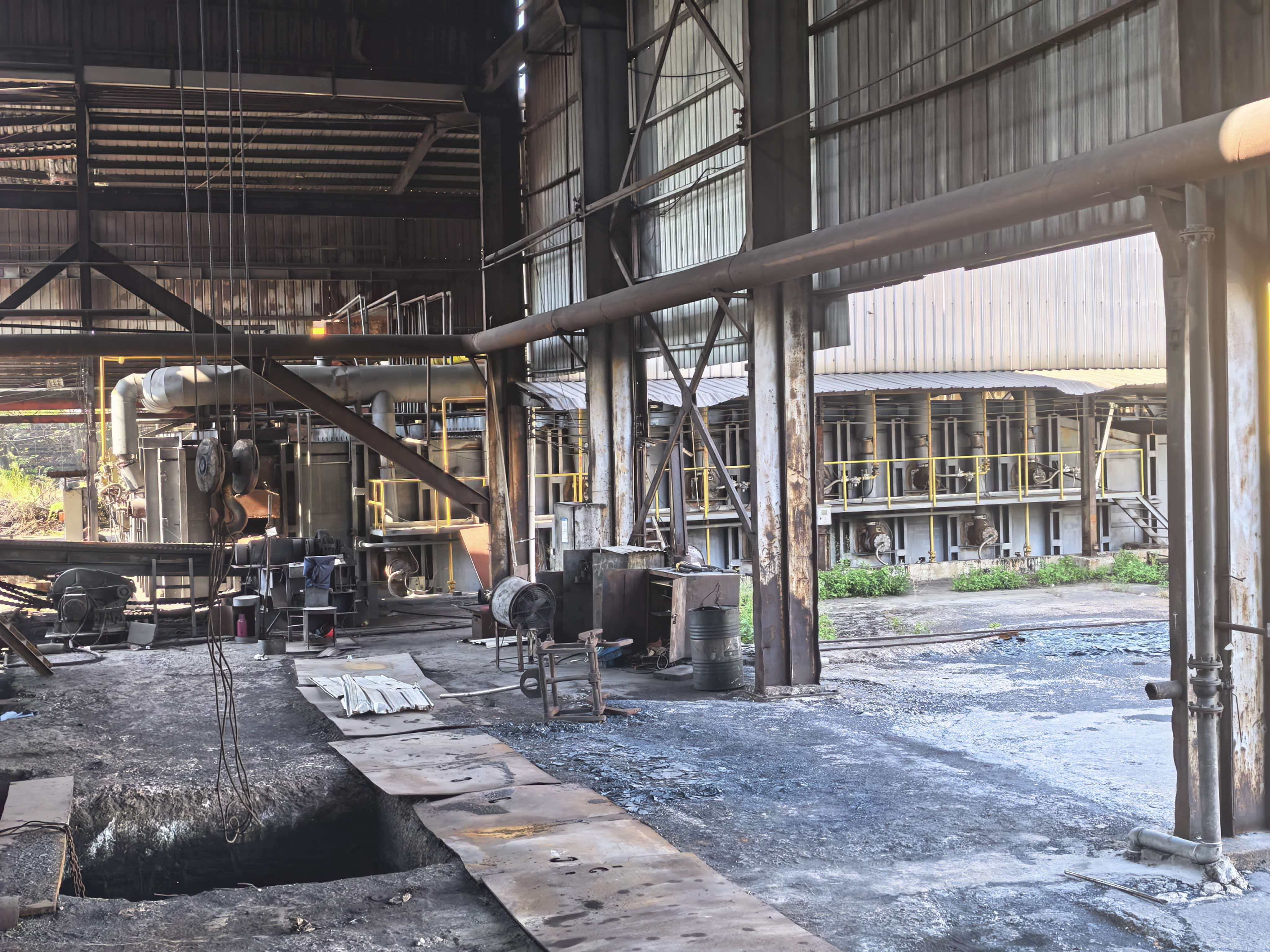
This is a fully-equipped, logically designed hot rolling production line with moderate capacity, well-suited for small-to-medium steel enterprises or specialty steel processing. The layout follows a clear, sequential flow: furnace discharge and delivery zone, primary descaling zone, roughing mill zone, continuous finishing mill zone, product run-out zone, and coiling zone. The entire line utilizes AC motor drives with power transmitted through speed reducers and gear housings, ensuring stable and reliable operation. A key advantage is its combination of the flexibility of reversible roughing with the high productivity of continuous finishing, making it ideal for versatile, batch-oriented production.
2. Detailed Equipment Description by Section
2.1 Furnace Discharge and Delivery Zone
Furnace Exit Table (20m length): Transports heated billets/slabs from the furnace at rolling temperature (typically 1100°C-1250°C) steadily to the descaling process. The sufficient length ensures stable material handling and provides buffer capacity.
2.2 Primary Descaling Zone
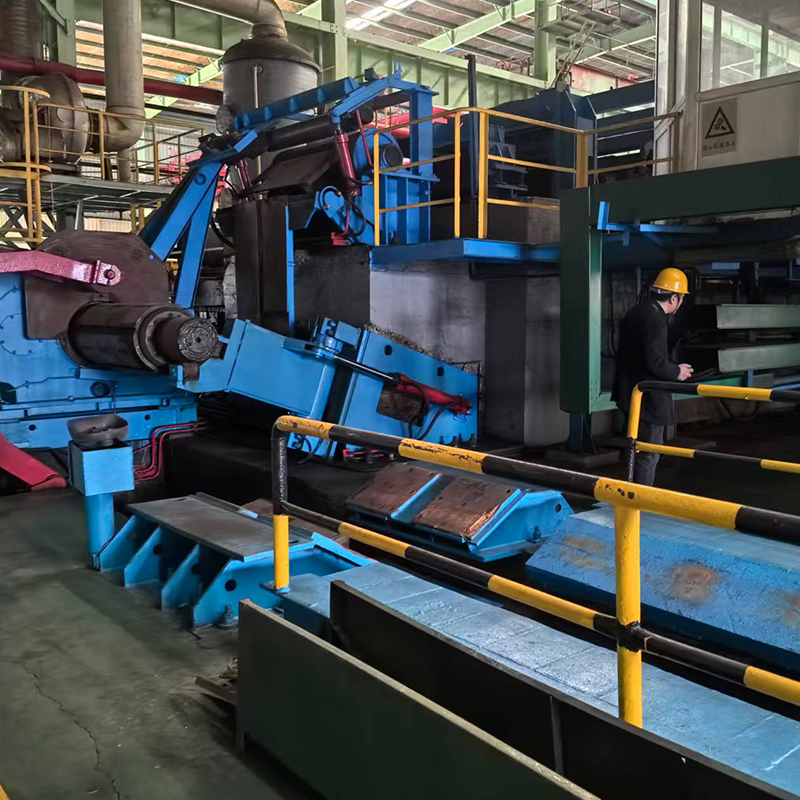
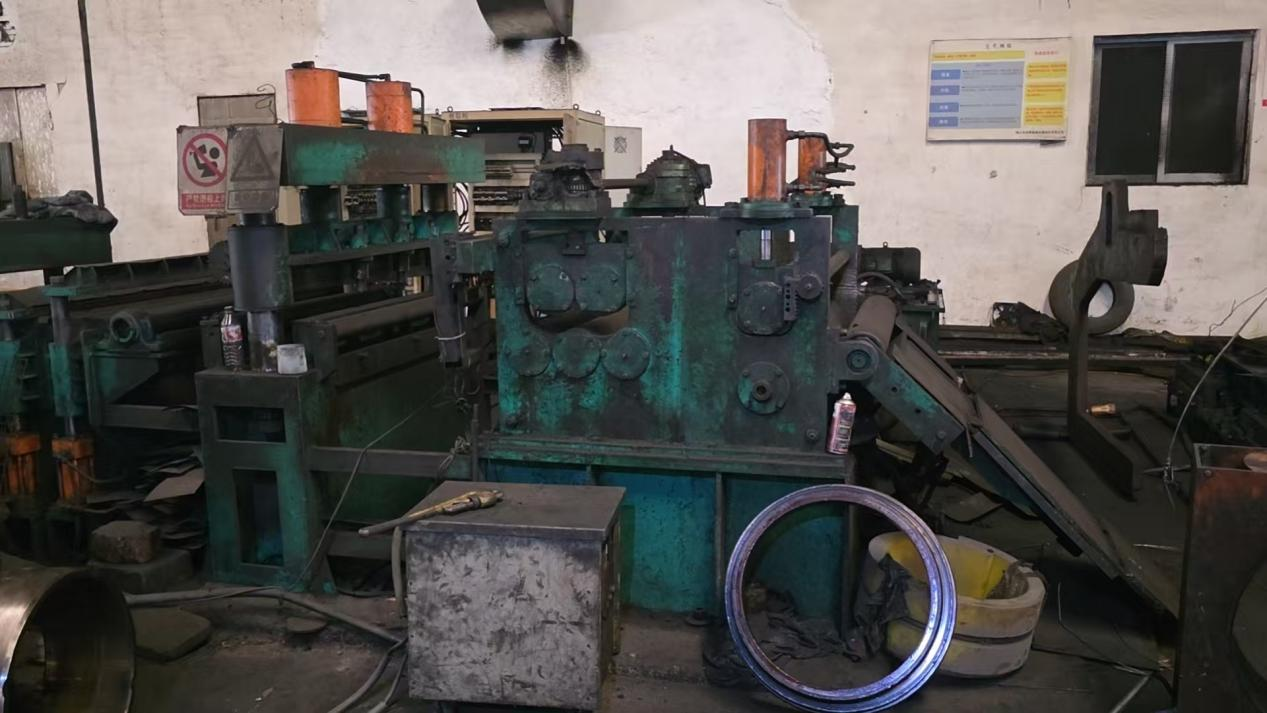
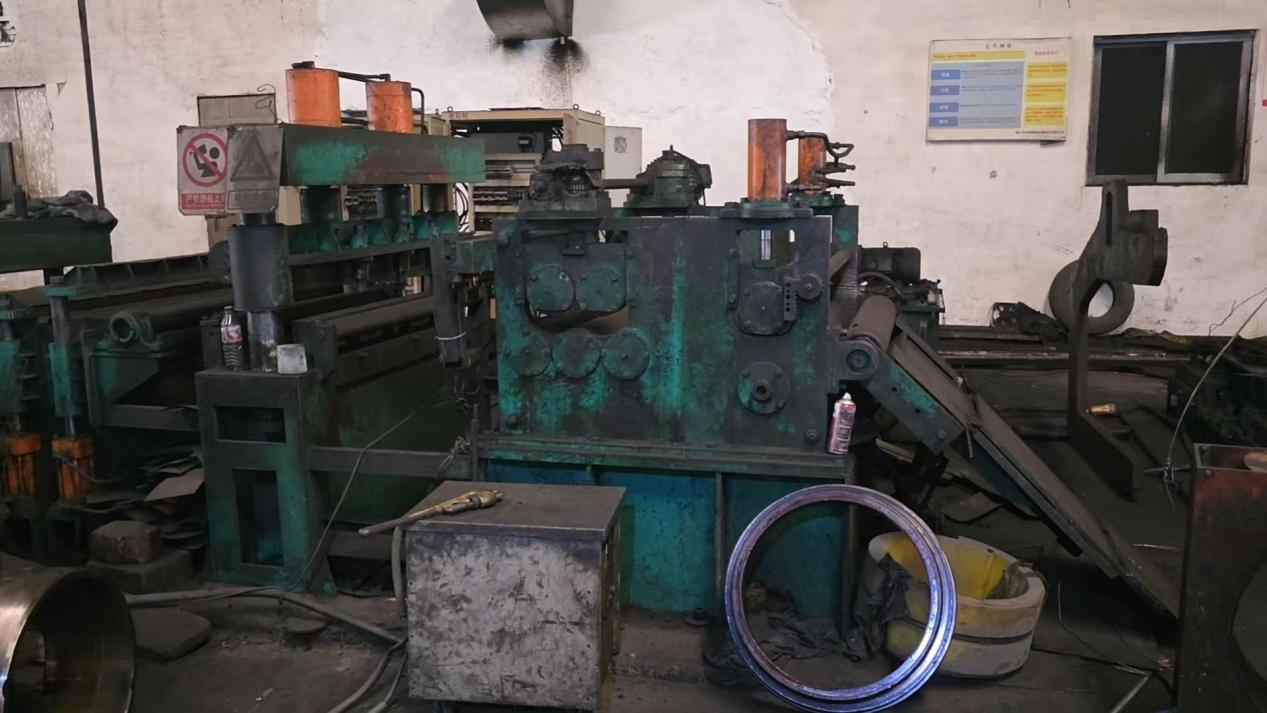
Scale Breaker (Descaling Machine): A critical unit for surface quality preparation.
Roll Dimensions: 1.5m face length, 550mm diameter. These sturdy rolls flex the hot stock to fracture and loosen the primary (furnace) scale.
Drive Configuration: Powered by an 800kW AC motor via a 1m-class speed reducer and a double-pinion gear housing (Two-Girder Stand), providing the necessary torque for effective scale breaking prior to high-pressure water descaling.
2.3 Roughing Mill Zone
Transfer Table (35m length): Connects the descaler to the roughing mill, ensuring smooth material feed.
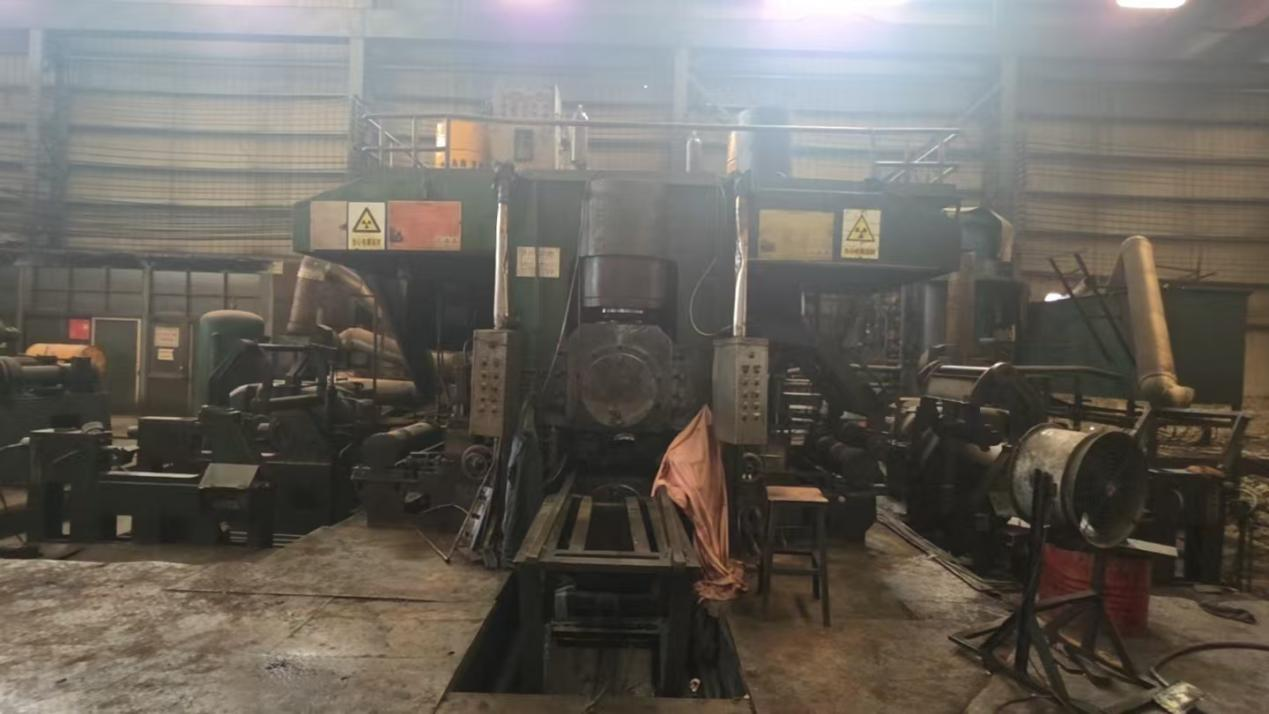
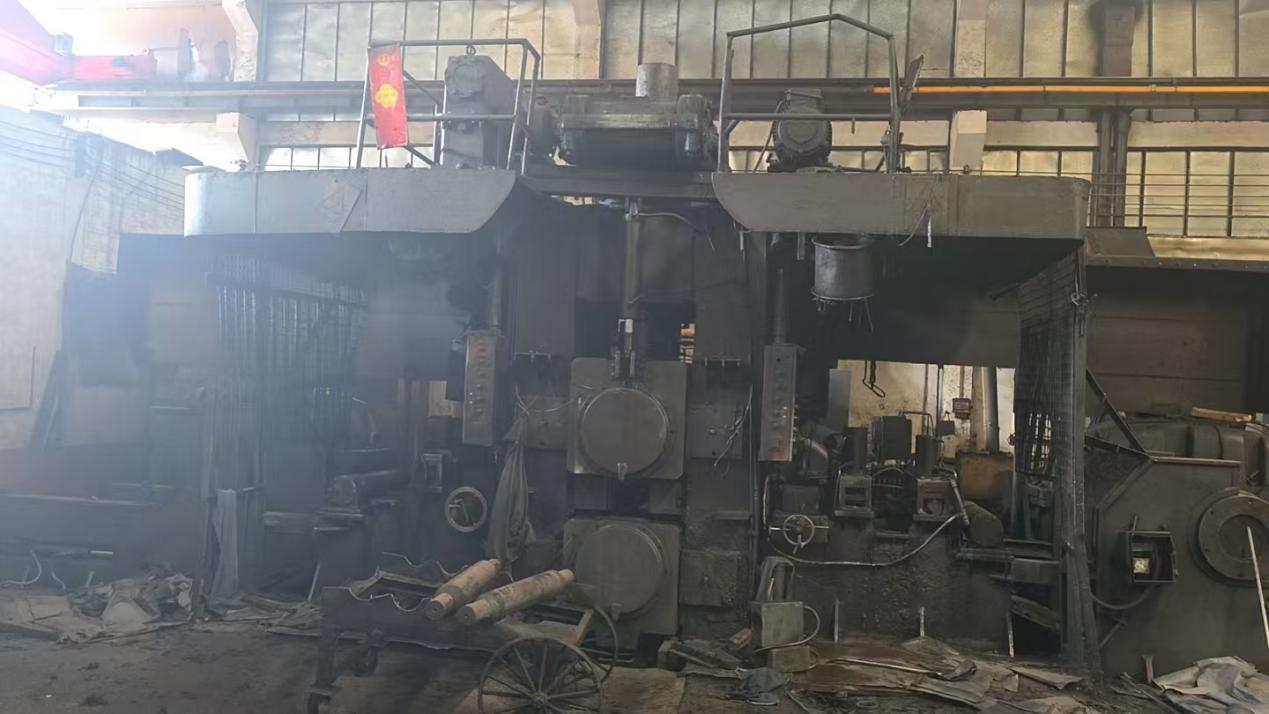
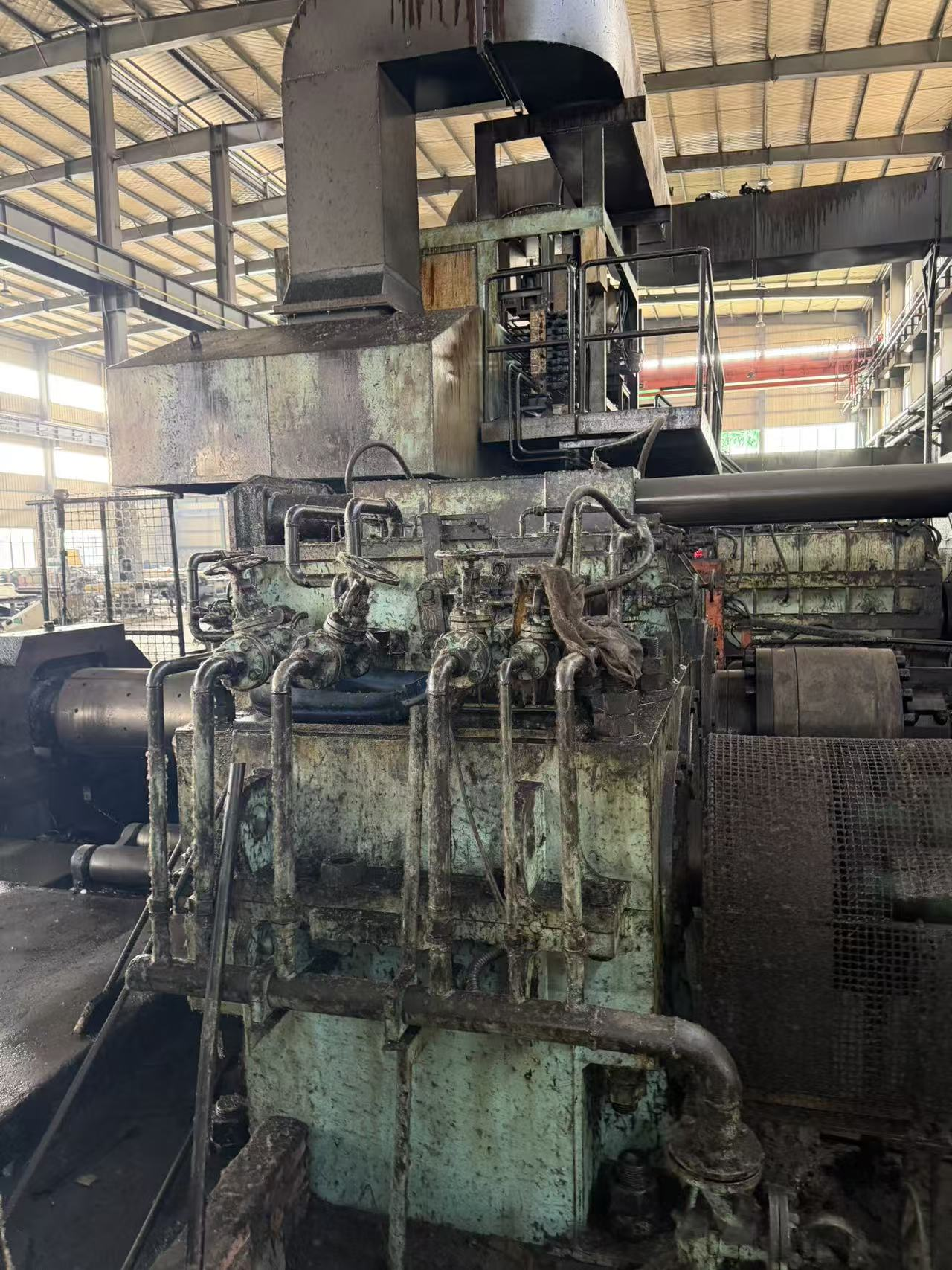
φ680mm Three-High Roughing Mill: The line's primary reduction unit, responsible for significant cross-sectional reduction and initial shaping.
Roll Specifications: 1.8m barrel length, 680mm work roll diameter. The large diameter provides excellent bite and high bending resistance, enabling heavy draft rolling.
Mill Type: Three-high configuration, typically designed for reversible rolling. The middle roll is driven, and the top/bottom rolls are engaged alternately via a lifting table or tilting mechanism, allowing flexible pass scheduling.
Drive System: Features a triple-pinion gear housing (Three-Girder Stand) and a reducer, driven by a powerful 3200kW AC motor, delivering ample power for demanding roughing operations.
2.4 Continuous Finishing Mill Zone
This zone is the core for achieving high-precision, high-speed finished product rolling, comprising a vertical edger and a horizontal continuous mill train.
Post-Roughing Mill Run-out Table (40m length): Acts as a critical buffer and linker between the roughing and finishing mills. Its 40m length ensures the tail end of the workpiece clears the roughing mill before its head enters the continuous train, preventing mechanical interference.
Vertical Edger (High Position, φ550mm rolls): Positioned before the continuous train, it is used for width control or edge rolling of specific products.
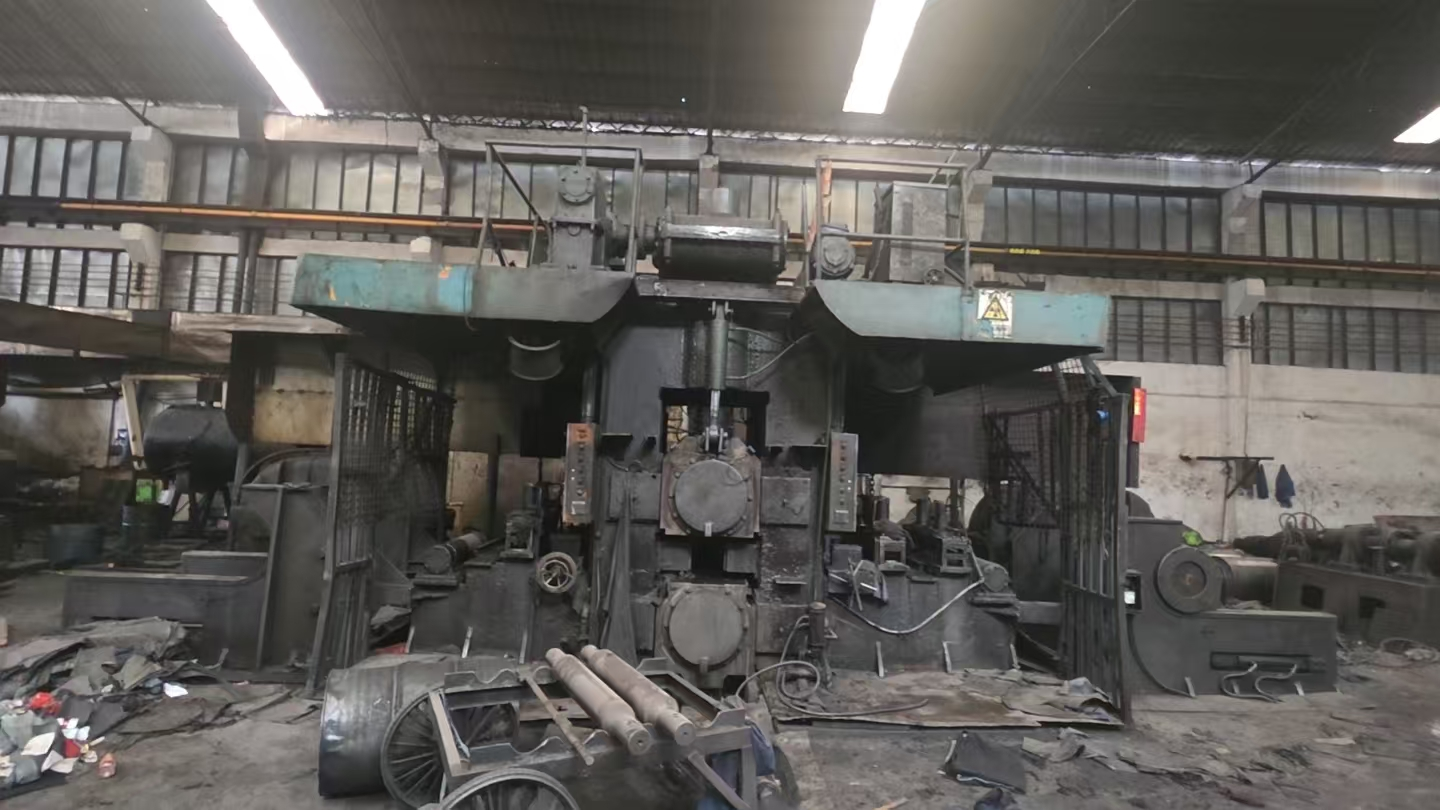
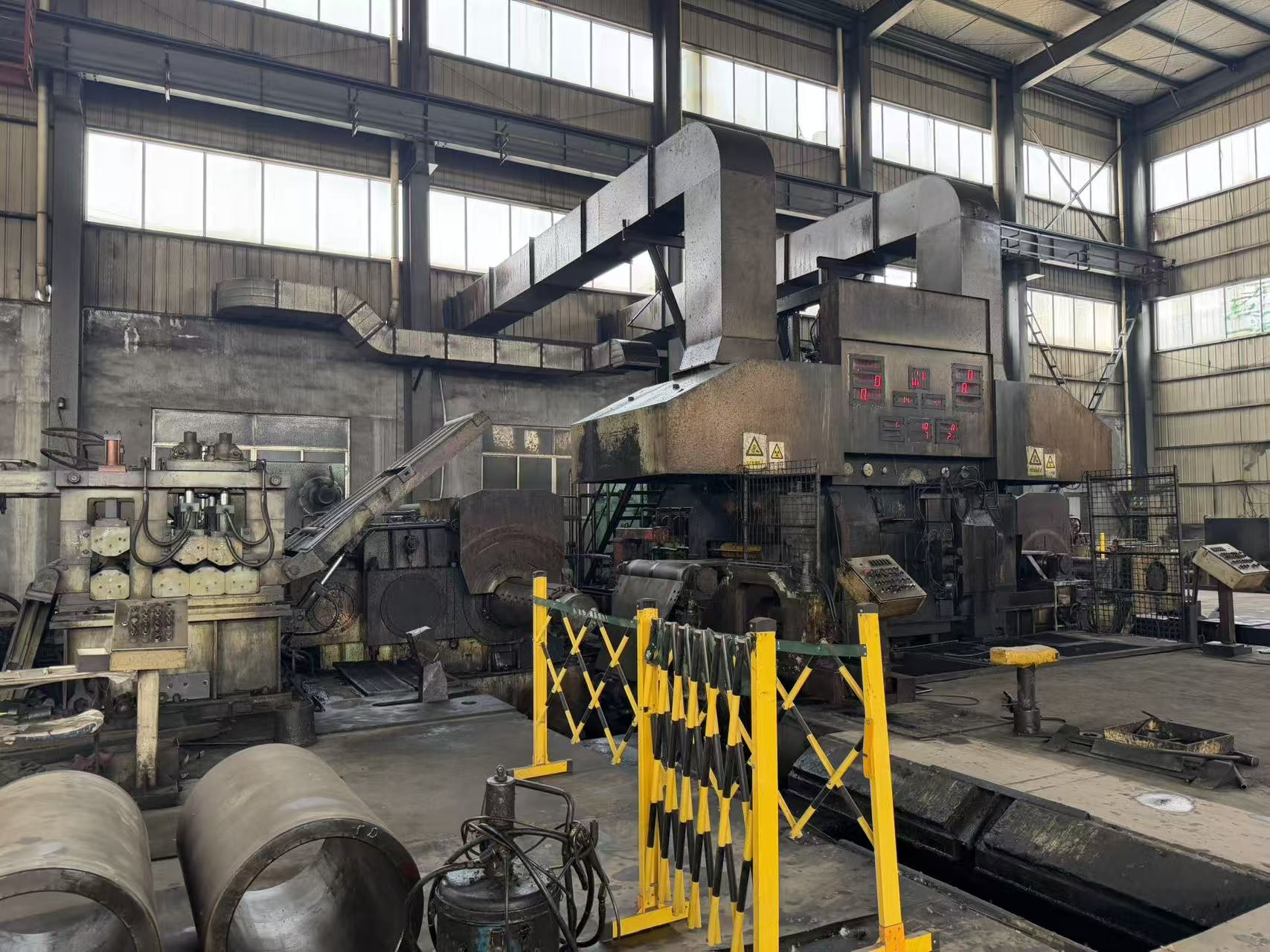
Nine-Stand Continuous Finishing Mill Train: The heart of the line's modern rolling capability.
Drive Distribution: Implements an efficient group drive strategy:
Motor Configuration: A total of five AC motors provide the drive power: four 2000kW motors (each driving one of the master reducers for stands K1-K8) and one 800kW motor (driving the K9 stand). This setup delivers the total power and precise individual stand speed control required for stable continuous rolling.
Stands K1-K8: Driven by four large master speed reducers (K1-K8), with each reducer driving two consecutive stands (a "one-drag-two" configuration). This requires precise speed synchronization and robust load sharing.
Stand K9 (Final Stand): Driven by a dedicated combined reducer, allowing for independent speed adjustment for final sizing control.
Work Roll Configuration: Employs a tapered diameter design: φ450mm for stands 1-3, and φ370mm for stands 4-9. The larger front stands handle further reduction, while the smaller diameter rolls in the later stands reduce rolling force, improve precision and surface finish, and lower energy consumption. All work rolls have a 700mm barrel length, defining the maximum product width.
Backup Roll Configuration: All nine stands are equipped with φ650mm x 560mm barrel backup rolls. These provide essential rigid support to the work rolls, minimizing roll stack deflection to ensure superior strip profile and gauge accuracy.
Housings and Drives: Utilizes nine robust, independent mill housings. Each stand has its own double-pinion gear housing.
2.5 Finished Product Run-out and Coiling Zone
Post-Finishing Mill Run-out Table (30m length): Carries the finished product, allowing for controlled cooling (air or water) during transport to the coller.
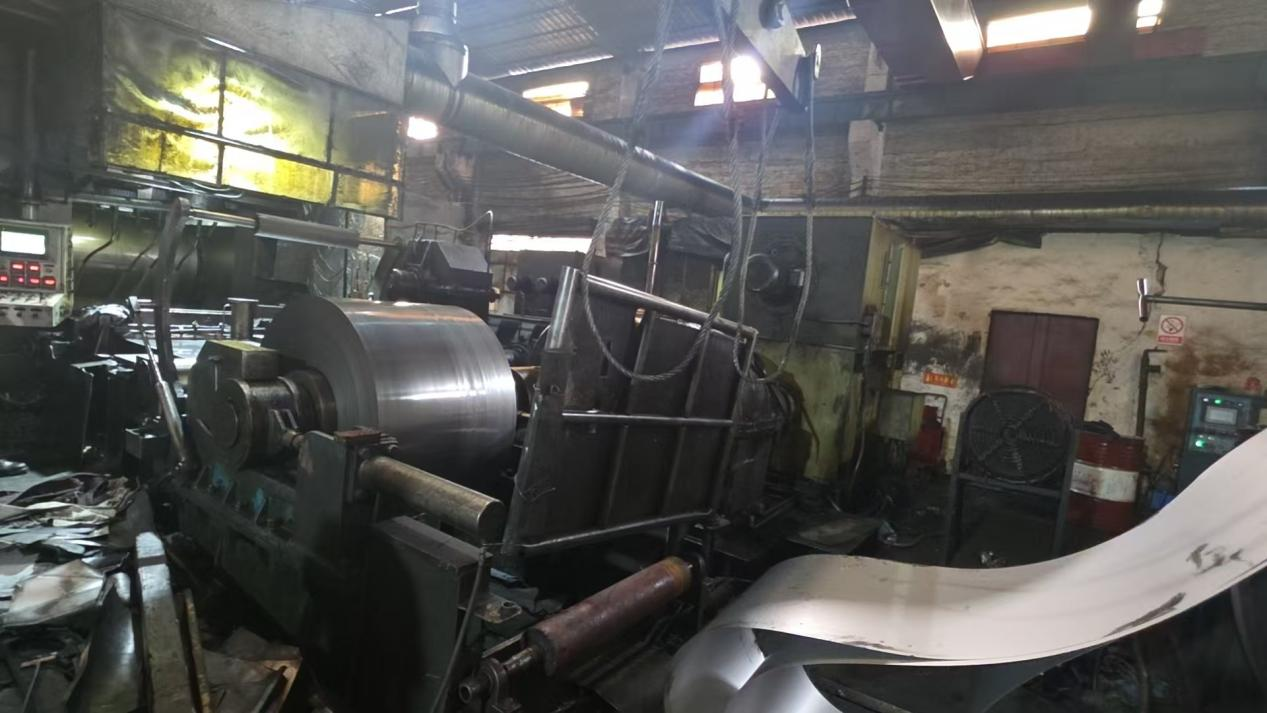
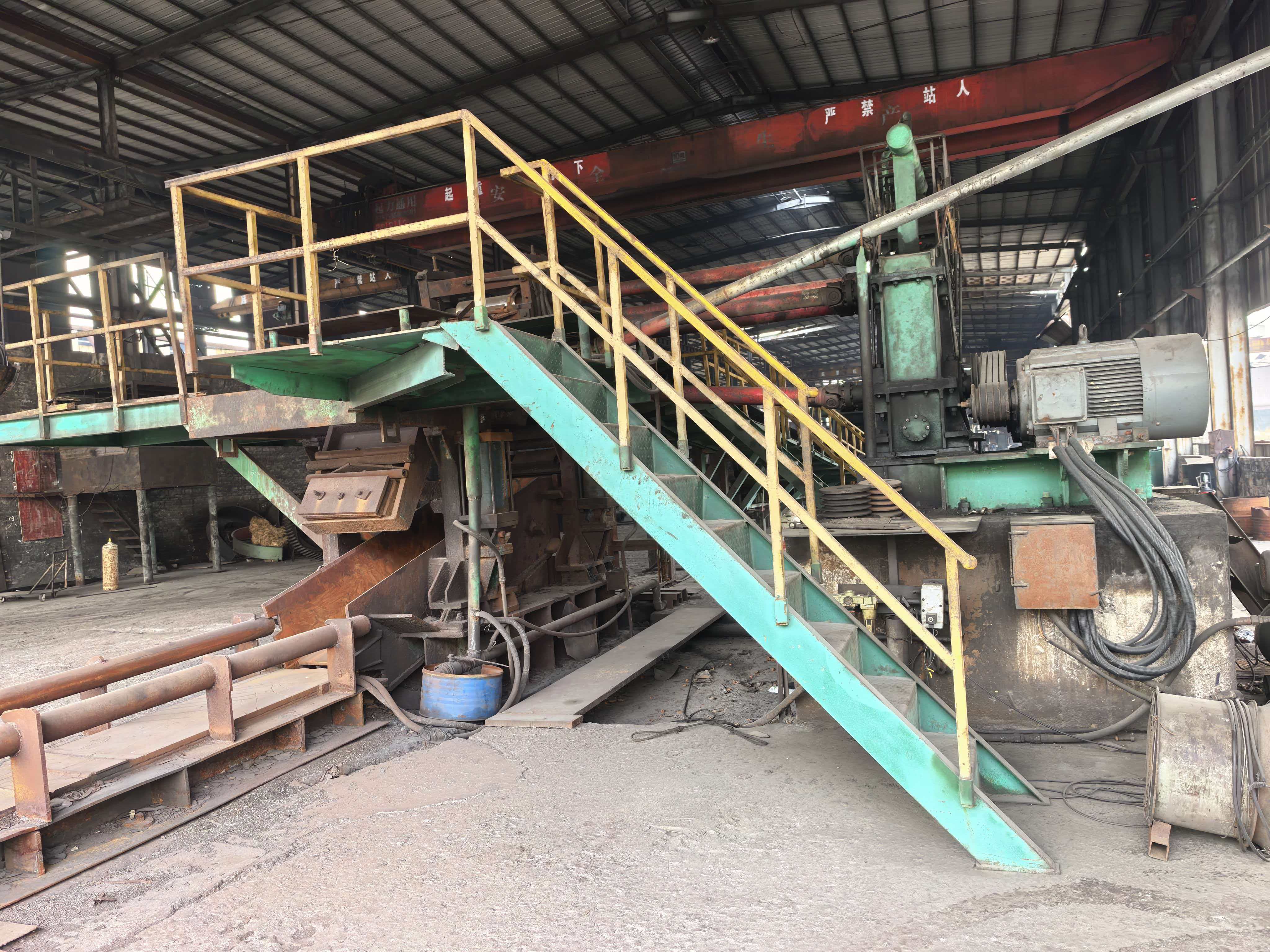
Incoil Reeling Machine (Coller): A mandrel-less reeling system designed to coil the finished long product (strip, narrow strip, or small bars) into tight, manageable coils. The mandrel-less design facilitates easy coil discharge and downstream handling.
Low-Voltage Switchgear System: The comprehensive electrical distribution and control center for all auxiliary line equipment (table motors, hydraulic power units, lubrication systems, coolant systems, PLCs, etc.). It is a vital component for the automated and safe operation of the entire production line.
3. Summary and Key Advantages
This 680 mill line represents a robust and versatile medium-capacity rolling solution built on proven technology. The "Single-Stand Reversible Roughing coupled with a Nine-Stand Continuous Finishing Train" architecture successfully balances operational flexibility with high-volume throughput efficiency. Equipment design prioritizes durability and reliability (evident in the heavy-duty roughing mill and backed-up finishing stands) and is supported by a robust AC drive system. This production line is exceptionally well-suited for manufacturing bars in the φ10-50mm range, wire rod coils, and narrow strip/flat products up to 600mm in width. It is an excellent capital investment for enhancing product quality, expanding production scope, and improving overall market competitiveness.